

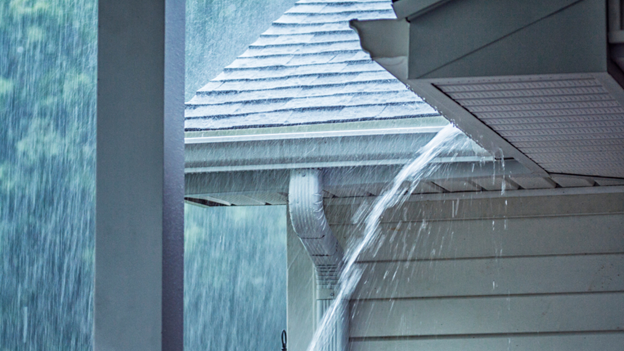
Your gutters are one of the most important, and often overlooked, parts of your home’s exterior. They quietly direct water away from your roof, walls, and foundation, preventing costly damage. Yet, many homeowners don’t give them much thought until leaks, clogs, or flooding appear. The truth is, a simple quarterly gutter check can extend the life of your gutters and protect your home from water-related issues.
Here are five essential steps every homeowner should follow four times a year.
1. Remove Leaves, Sticks, and Debris
The first step in any gutter check is clearing out built-up debris. Over time, leaves, twigs, and even nesting materials from birds can accumulate inside your gutters. This debris acts like a dam, blocking the flow of water and forcing it to overflow. Overflowing water doesn’t just drip annoyingly — it can seep into siding, damage fascia boards, or even pool around your foundation.
Each season brings its own challenges. Spring adds blossoms and pollen, summer brings dust and seeds, fall is notorious for leaves, and winter can leave behind lingering debris after storms. By making debris removal a regular habit, you’ll keep water moving freely where it belongs.
2. Check for Leaks and Seal Weak Spots
Once your gutters are clear, the next step is to look for leaks. Even small cracks or holes can cause big problems if ignored. Leaks may appear as water streaks on the outside of the gutter or damp spots on walls below. In some cases, you may notice rust forming in metal gutters, which is another warning sign.
Seal small holes with gutter sealant or a patch kit, but keep in mind that widespread damage might call for professional attention. Regular inspections help you catch these issues early, saving money in the long run and preventing water from sneaking into vulnerable areas of your home.
3. Ensure Downspouts Are Clear and Directing Properly
Your downspouts are just as important as the gutters themselves. Clogs in these vertical pipes often go unnoticed until water starts backing up and spilling over the roofline. Pour a bucket of water through each downspout to make sure it’s clear. If the water trickles or doesn’t flow out the bottom, there’s likely a blockage.
It’s also critical to make sure downspouts extend several feet away from your foundation. If water is being dumped right next to your home, it can seep into the basement or weaken the soil supporting your structure. Adding extensions or splash blocks ensures runoff is directed safely away.
4. Inspect Hangers, Seams, and Slope
Even clean, leak-free gutters won’t work properly if they aren’t aligned correctly. Over time, gutter hangers can loosen, seams can separate, and the slope of the gutter may shift. Gutters need a slight downward angle toward the downspouts to move water efficiently.
Use a level to check the slope and tighten or replace any loose hangers. If you see sagging areas, they may be holding water instead of draining it. Addressing alignment issues promptly prevents strain on the gutter system and reduces the risk of overflowing during heavy rain.
5. Look for Water Damage Around Your Home
Finally, don’t just look at the gutters — inspect the areas around them. Water damage often reveals problems your gutters couldn’t handle. Check your roofline for signs of rot, your siding for stains, and the ground near the foundation for erosion or pooling water. Inside the home, keep an eye out for basement dampness or mold growth, which can be a sign that water isn’t being managed correctly outside.
By broadening your quarterly check to include the surrounding areas, you’ll spot the indirect effects of gutter issues and be able to address them before they worsen.
Why Quarterly Checks Matter
Some homeowners assume gutter maintenance is a once-a-year task, but quarterly inspections are far more effective. Each season introduces new elements that can clog or weaken your gutters, from spring pollen to autumn leaves. By sticking to a quarterly routine, you prevent small problems from escalating into costly repairs.
Professional services are also worth considering if you prefer not to climb ladders or handle repairs yourself. A gutter inspection service can quickly identify trouble areas, perform maintenance safely, and give you peace of mind that your home is protected year-round.
Your gutters are a frontline defense against water damage. By following these five critical steps every three months — clearing debris, sealing leaks, checking downspouts, inspecting alignment, and looking for water damage — you’ll extend their lifespan and safeguard your home.
Quarterly gutter checks may seem like a small task, but they offer big rewards. With just a little time and attention, you can keep your gutters working smoothly and avoid the stress and expense of unexpected water problems.
