

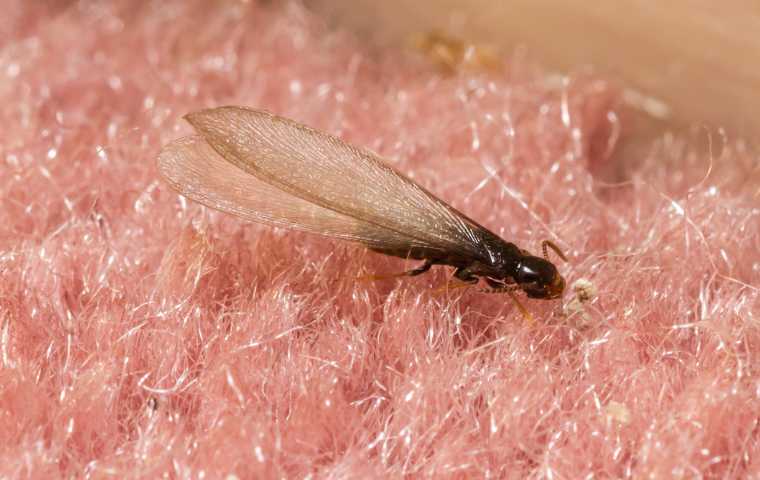
The new Virginia dream house? It might have simply taken the place of a colony of pests deeper below the ground. When bulldozers level the land and pour foundations in developments throughout Northern Virginia, they are not only building beautiful neighborhoods, but also disturbing subterranean ecosystems that have long been in place.
In this post, we will explain why they are hidden in the population during the construction activities, common indications that new homeowners overlook as they try to mitigate the issue, and how to protect your investment with practical steps for pest control.
Why Construction Uncovers Hidden Pest Colonies In Virginia?
-
Soil Disruption Disturbs Established Underground Networks
The highly clay-rich soil found in the state of Virginia is just like freshly sown seed for pest colonies living and expanding underground. During the excavation, these long-established networks get disrupted. Termite colonies that have lived for decades in tree stumps and root systems are suddenly left without a home.
-
Moisture Changes Create New Attraction Points
Buildings weigh down the soil, and construction activities change the natural drainage patterns around a building site. Ants, carpenter bees, and other pests are attracted to areas where water collects, creating new moisture collection points.
-
Removed Natural Barriers Expose Hidden Colonies
Mature trees and vegetation are natural barriers that are gradually removed when developers encroach on land, allowing pest populations to soar when vegetation is cleared. The Virginia Department of Agriculture estimates that more than 12,000 new housing units are built every year in Virginia on land where wildlife and pest populations may have been given a free pass for years, most likely on previously undeveloped land.
Early Warning Signs New Homeowners Should Not Ignore
Moving home usually involves settling in, sounds, and minor adjustments. However, if you see sure signs within the first couple of months, do not ignore them and pass them off as typical “new home” problems.
Tiny heaps of sawdust near baseboards, window frames, or entryways are often a sign of termite activity. The original colony of termites is up and working extra fast on a new wood supply.
When you see ants close to the windows, kitchen, or even baseboards, they should be treated with urgency. These scouts are charting your home for their colony.
You usually hear scratching noises during dawn or dusk, which are standard times for mice or squirrels. These animals have been driven away from their nesting sites by newly constructed high rises. So it is not just a regular transit; they are looking for shelter for the long term.
Why Professional Inspections Are Essential for New Builds
The common assumption among Virginia homeowners that it is safer to buy a new home is a dangerous one. Even the cleanest houses may have been built over, or adjacent to, a colony that was established decades before the home was constructed.
At Virginia’s Presto Pest Control, they know about the unique issues facing our state. They understand the distinctive windows of vulnerability that the state has, because of the clay soil, the pattern of the summer humidity, and the construction timeline.
This expertise is essential when you assess your risk factors in your new home. Having a company that knows Virginia soil types, construction styles, and pest behavior in the area can help find problems before they turn into costly repairs. They know seasonal behaviors and migration paths, and they know the precise weaknesses created by different construction styles across Northern Virginia.
Keep in mind, prevention is much cheaper than a cure. Keeping your new Virginia home safe from the beginning means that no investment is wasted, and nobody needs to feel uncomfortable in their own home.
