

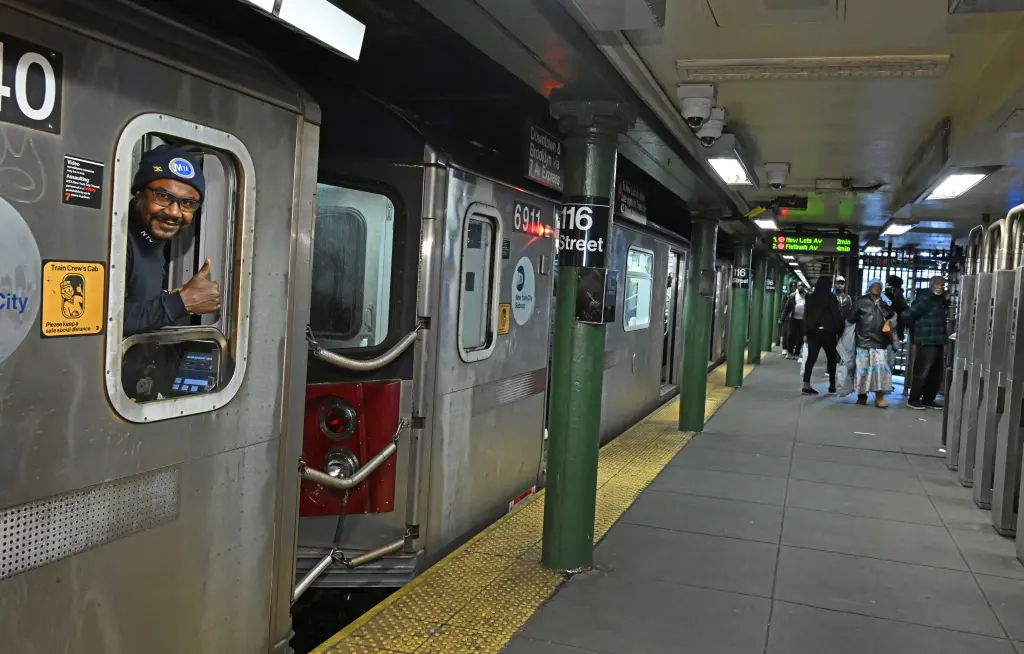
The waste of food, litter, and human traffic near the station area gives rodents a chance to thrive. Metuchen, where more than 1,786 locals drove to their jobs every day, has been creating rat-pleasing habitat downtown for decades. If you have noticed rats on your property around the train station, then you should call a Metuchen exterminator before the problem gets out of hand.
In this post, we are going to help you understand how commuting near the Metuchen train station is contributing to rodent issues.
Why Transit Hubs Lead To Urban Rodent Sightings
-
Food Sources from Commuter Traffic
Places such as Metuchen Train Station, where people bustle in to grab breakfast, coffee, and snacks, always generate food waste. Food leftovers and odorous trash bins provide rats with a constant supply of food for survival.
-
Dense Human Population Creates Shelter Opportunities
All those people around transit hubs mean more buildings, structures, and places to hide. Building foundations, utility, and storage spaces can be found around crowded train stations and commercial areas where rodents will find shelter.
-
Increased Foot Traffic Spreads Contamination
This heavy foot traffic allows rodents to move from location to location without detection. Movements of people, luggage, and goods all around allow rodents to travel from one place to another, spreading their territory around the entire Metuchen downtown area.
-
Poor Drainage and Water Sources
Drainage problems from heavy foot traffic and wear on infrastructure are common in transit areas. Inadequate drainage causes standing water, while water sources such as drinking fountains and coffee shops provide rodents with the water they need to settle and form colonies further in.
-
Limited Maintenance in High-Traffic Areas
It is not easy to clean and maintain these areas because they are constantly used as train stations. These hard-to-reach spaces become popular nesting sites for rodents that prefer undisturbed areas that are usually near a food source.
Day-to-Day Habits That Worsen the Problem
- Bad food disposal – Tossing food leftovers or coffee cups in overfilled trash bins or on the ground
- Pet owners who leave food out – dog owners with open water bowls or treats out on the porch in proximity to the station area
- Bad storage habits – Companies place their stock and their supplies into cardboard boxes and let them sit on the ground
- Leaving the tiny entry points ignored – not sealing off the gaps around the doors, the windows, and the entrance of the utility lines of the buildings near the station
- Irregular cleaning routines – Which instigate crumbs, spills, and food debris in both household and industrial environments
- Overgrown vegetation – Allowing shrubbery, weeds, and landscaping to grow overgrown around properties to provide shelter for rodents.
- Why Fast Action Matters
- Structural damage – Rodents chew on electrical wiring, insulation, and building materials, and can lead to fires and costly repairs
- Health Risks – Diseases such as salmonella and hantavirus are readily spread through rodent droppings, urine, and bites.
- Fast breeding – A pair of mice can give birth to as many as 10 litters a year, each having 4 to 6 babies
- Conduct the property – The presence of visible rodent problems can significantly reduce property values, rendering a building un-saleable or un-leasable
- Business interruption – health code violations, customer complaints, or a cessation order issued against rug-cleaning commercial properties
Professional pest control companies such as Alliance Pest Services know the unique problems that transit-heavy areas like downtown Metuchen experience. They would be able to find the entry points, deal with the current population, and create a sustainable route.
In this transit-oriented community, however, regular monitoring and professional intervention are still the best deterrents for rodent populations.
