

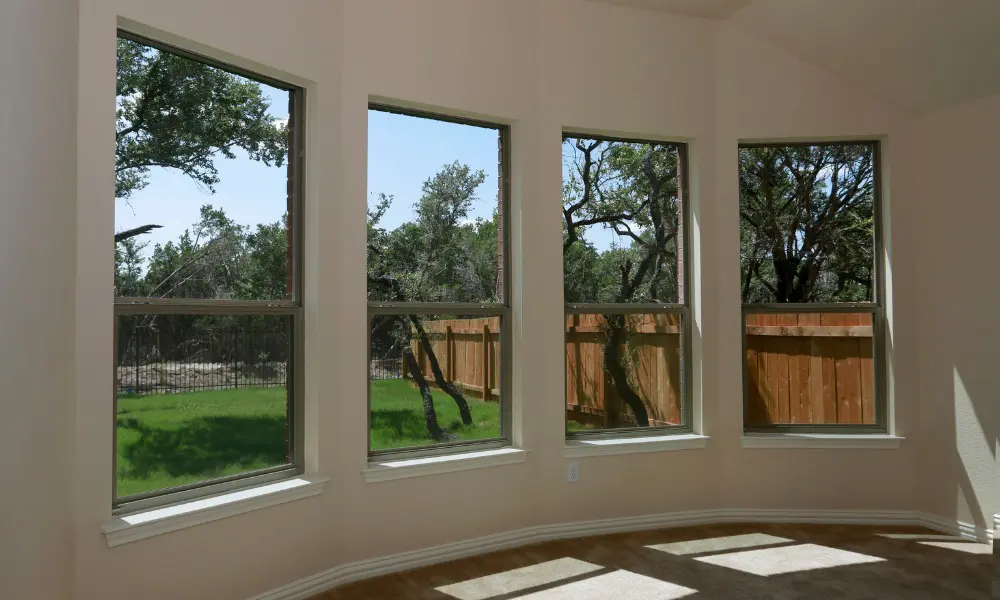
Windows are more than functional components of a building. They are artful elements that define the aesthetic appeal, energy efficiency, and overall comfort of a space. Among the plethora of options, louver, casement, and hung windows have stood the test of time, evolving into sophisticated designs that cater to modern-day preferences. In this blog, we’ll dive into the top trends specifically seen in louver windows, while also briefly overviewing casement and hung designs.
What Are Louver Windows?
Louver windows consist of horizontal slats, often adjustable, that allow for ventilation and light customization. Known for their versatility and sleek appearance, they have become synonymous with tropical and contemporary architectural designs.
Top Trends in Louver Window Designs
-
Smart and Automated Louver Systems
Louver windows have embraced the digital age with smart systems now integrated into their designs. Automation allows the slats to open, close, or tilt with the touch of a button or through voice commands, making it effortless to control airflow and lighting. Some systems even rely on sensors to adjust the slats based on weather conditions.
-
Frameless Louver Windows
Contemporary architecture is all about clean lines and minimalism, and frameless louver windows are stealing the spotlight. These designs eliminate bulky frames, offering an unobstructed view and a modern, sleek aesthetic. Ideal for homes looking to blur the boundaries between indoor and outdoor spaces.
-
Energy-Efficient Materials
Energy efficiency is a dominant trend in all types of windows, and louvers are no exception. Designs now incorporate materials like low-emissivity (Low-E) glass to reduce heat transfer, helping homeowners save on energy bills. Additionally, weather-resistant materials like aluminum and uPVC ensure durability while enhancing sustainability.
-
Hybrid Designs
One of the most exciting trends is the fusion of louver windows with other styles like casement or awning designs. This hybrid approach allows homeowners to benefit from the unique features of both types, such as superior ventilation and added security. Hybrid solutions are perfect for customizing windows to fit unique architectural needs.
-
Color Customization and Textured Finishes
Gone are the days of basic white or clear glass louvers. Modern louver window designs now offer customization options like vibrant colors, frosted glass, or even wood-textured finishes. These design choices allow homeowners to match their windows with both interior and exterior decor for a more cohesive look.
Casement Windows
While louver windows are making waves in innovation, Aluminum casement windows remain a timeless favorite. Their ability to swing in or out allows for optimal ventilation, while recent trends have seen them paired with energy-saving glass and slimline frames for a more minimalist look. Additionally, casement windows are increasingly used in combination with louvers for greater design flexibility.
Hung Windows
Aluminum hung windows have been modernized to blend into contemporary spaces while maintaining their classic charm. Recent trends highlight double-hung designs with improved balance mechanisms for easy operation and increased energy efficiency. Additionally, vertical sliders with sleek finishes have gained popularity, particularly in smaller homes aiming for space-saving options.
Why Now Is the Perfect Moment to Upgrade Your Window Design
Choosing the right window design can dramatically impact your home’s functionality and aesthetic appeal. Louver windows, with their ability to blend ventilation, style, and modern technology, are well-suited for today’s architectural trends. Whether you’re designing for a tropical home, an eco-conscious build, or simply want to add a touch of innovation, louver windows—and their counterparts in casement and hung styles—offer solutions that cover all bases.
The evolution of louver window designs, alongside casement and hung counterparts, reflects the adaptability and creativity of modern architecture. From automation and energy efficiency to bold finishes and hybrid designs, these innovations demonstrate how windows are no longer just openings for air and light—they are integral to creating sustainable, stylish, and comfortable spaces.
