

Why Proper Installation Matters More Than Most People Realize
A water heater may seem like a simple appliance, but the way it is installed has a huge impact on how long it lasts. Even the best water heater can fail early if it is not set up correctly. Many homeowners assume that once the heater is placed in position and connected to the pipes, the job is done. In reality, installation involves many careful steps that keep the unit safe, efficient, and long lasting. When mistakes happen during installation, the heater works harder than it should, wears down faster, and becomes more likely to leak or break. Understanding these mistakes helps protect your home and your investment.
A water heater usually lasts between eight and twelve years, but poor installation can cut that time in half. Problems like wrong pipe sizes, missing safety valves, loose connections, or incorrect venting can start showing up slowly. You may notice temperature issues, strange noises, or small leaks long before the heater stops working completely. By learning the most common installation errors, you can make sure your water heater is set up correctly from the start.
The Most Common Installation Mistakes Homeowners Should Know
One of the biggest mistakes is improper venting. Gas water heaters need a safe way to release fumes. If the vent pipe is installed at the wrong angle or not sealed correctly, dangerous gases can leak into the home and reduce the heater’s efficiency. Another common issue is using the wrong size pipes. If the pipes are too small or too large, the water pressure becomes uneven, which puts stress on the heater. Over time, this stress can cause leaks or damage to the tank.
Incorrect temperature settings during installation can also shorten the water heater’s lifespan. If the thermostat is set too high, the heater works overtime, causing the tank and internal parts to wear out faster. If it is set too low, the heater may run constantly, trying to keep up with demand. Missing or faulty expansion tanks are another big problem. Expansion tanks help reduce pressure inside the water heater. Without one, pressure builds up and can damage the tank.
Improper electrical or gas connections are also common mistakes. Loose wiring, weak gas lines, or missing shut-off valves can make the system unsafe. Many older homes still have outdated materials that are not compatible with modern water heaters. If these materials are not replaced during installation, they can cause blockages, leaks, or pressure problems later on.
Problems That Show Up After a Poor Installation
Installation mistakes rarely cause problems on the first day. Instead, they slowly create wear and tear that becomes noticeable over time. A heater that was poorly installed may start making popping or rumbling sounds. These noises often mean that sediment has built up faster than normal because the heater is running inefficiently. You may also notice temperature changes, such as water turning cold too quickly or becoming too hot. In some cases, you may find moisture around the bottom of the tank, which is a sign of stress or pressure buildup.
Another sign is higher energy bills. A poorly installed water heater uses more energy because it cannot operate at full efficiency. You might also experience reduced water pressure, especially on the hot water side. If the water heater is not supported correctly or the pipes are not secured, vibrations during heating cycles can cause connections to loosen and eventually leak.
Ignoring these warning signs can lead to major issues like tank bursts, gas leaks, or failed heating elements. These problems are usually expensive and can cause property damage if not addressed quickly.
Why You Should Always Trust a Professional
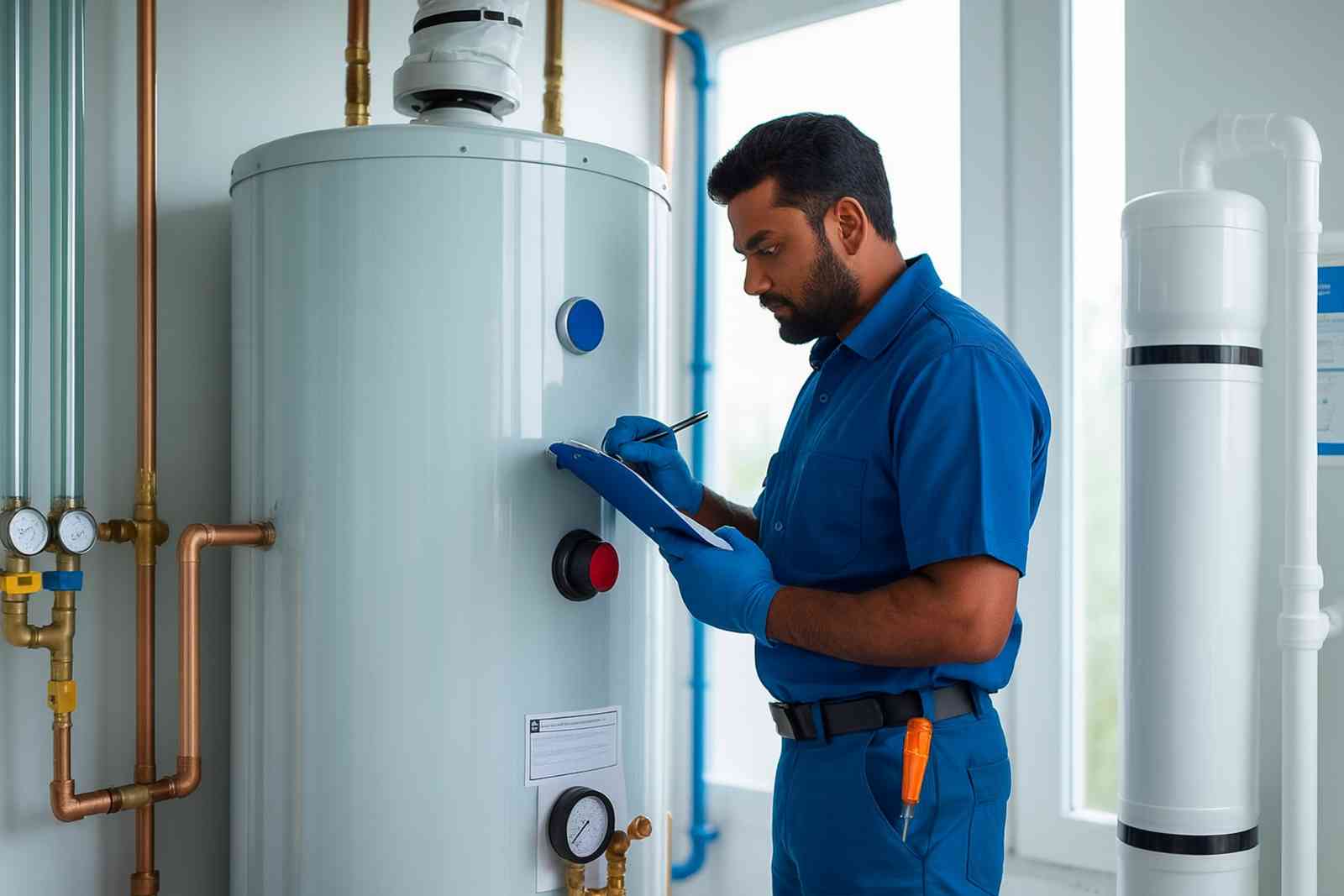
The safest way to avoid installation mistakes is to hire a licensed plumber who knows how to install the heater correctly. Professionals follow safety codes, check every connection, test the system, and make sure the heater runs smoothly. They also know how to size the unit correctly for your home, which prevents the heater from being overworked.
Trying to install a water heater yourself can be risky without the right tools and knowledge. Many homeowners do not realize how much training goes into safe installation. From venting to electrical work, a lot can go wrong if even one step is missed. A professional can also spot problems that homeowners might overlook, such as old pipes, worn valves, or outdated safety parts.
As Jeff Whitaker from Phoenix Plumbing Pros explains, “A water heater can last many years when it’s installed the right way. Most early failures come from small installation mistakes that a trained plumber would never miss.” With proper installation, your water heater stays safe, efficient, and reliable for years.
