

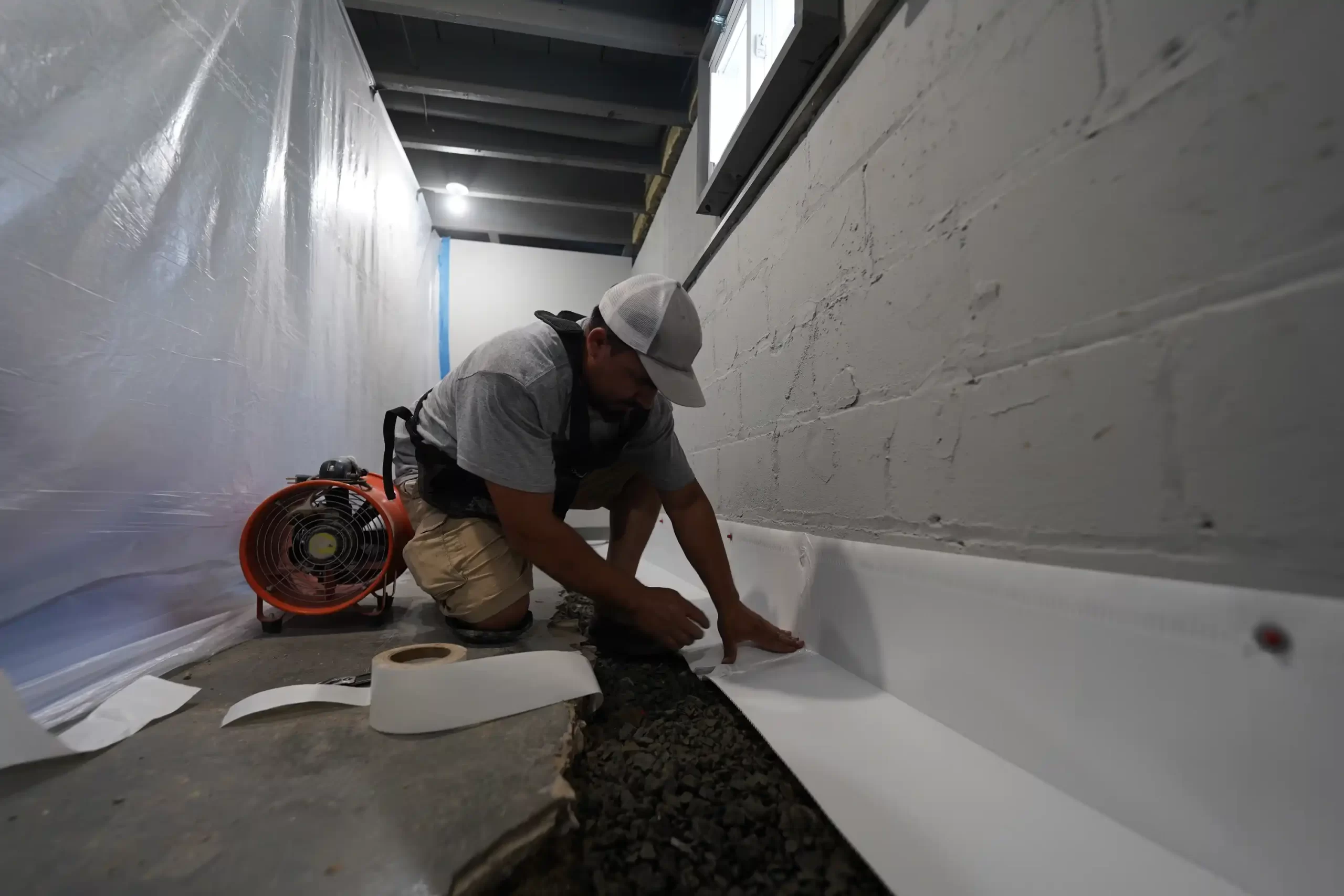
Homeowners in Northern New Jersey are familiar with water issues. Heavy rainfall, melting snow, and shifting ground conditions often lead to damp basements or musty crawlspaces. Many don’t realize that these moisture problems often indicate a deeper issue: the stability of the foundation itself. Before sealing, patching, or installing pumps, it is crucial to understand how water interacts with the structure beneath your home to prevent recurring damage.
The Connection Between Moisture and Structure
Basements and crawlspaces are situated where earth, water, and building materials converge. When soil becomes oversaturated, pressure builds against walls or footings, pushing water through cracks or gradually weakening the concrete. Addressing only surface-level symptoms—such as dampness or mold—can offer temporary relief, but if the underlying structure continues to bear pressure, the issues are likely to return.
A foundation-first approach means restoring stability and structural integrity before waterproofing systems are applied. This protects the long-term health of your home and prevents repeated repair costs.
Understanding the Local Environment
Different regions require different strategies. Here’s how conditions in Morris and Passaic County impact basements and crawlspaces:
Morris County
This region features a mix of clay-based soils and rocky terrain. Clay expands when wet and shrinks when dry, placing repeated stress on walls and footings. Homes built on sloped land can also experience water runoff pooling around the structure.
Common risks include:
- Seasonal wall cracking
- Basement seepage after storms
- Sagging beams in damp crawlspaces
When talking to foundation repair contractors in Morris County, NJ, inquire about soil evaluation and long-term stabilization—not just sealing cracks.
Passaic County
Passaic County includes flood-prone areas and neighborhoods with high groundwater tables. Homes near rivers or at lower elevations often face standing water beneath floor joists or persistent humidity in basements.
Frequent challenges include:
- Persistent dampness
- Mold development
- Hydrostatic pressure pushing water through concrete
Working with foundation repair contractors in Passaic County, NJ, who understand local flooding tendencies ensures that solutions are built to withstand year-round moisture.
Signs Your Crawlspace or Basement Needs More Than Just Waterproofing
Many issues start subtly and worsen over time. Warning signs include:
- Condensation forming on pipes or concrete
- Floors feeling uneven or soft
- Cracks spreading across walls or ceilings
- Musty or damp odors coming from beneath the living area
- Efflorescence—white chalky residue—on basement walls
- Visible standing water after storms
Homeowners often try quick fixes, like store-bought sealers or dehumidifiers. While these can help, they do not address shifting soil or structural stress that may be at the root of the problem.
Foundation-First Waterproofing: What It Involves
A comprehensive approach begins with an inspection. Professionals evaluate both visible damage and underlying pressure points. The work may include:
- Reinforcement or Stabilization: Steel piers, anchors, or additional supports may be needed to redistribute the load before sealing occurs.
- Soil and Drainage Management: Exterior grading, French drains, or gutters may be part of a complete system to prevent water from pooling near your home.
- Interior Waterproofing After Stabilization: Sump pumps, wall barriers, and vapor seals are effective only when the base beneath them is secure.
- Crawlspace Encapsulation: This involves using plastic sheeting, sealing vents, and adding insulation to protect moisture-sensitive framing and maintain a healthier living environment.
Taking the time to strengthen the foundation before installing waterproofing systems leads to longer-lasting results and reduces repair frequency.
Benefits of a Foundation-First Approach
- Better Air Quality: Crawlspaces contribute as much as 40% of the air you breathe indoors. Dry, sealed spaces promote healthier living.
- Prevents Hidden Mold: Moisture trapped beneath floors can spread before homeowners even notice it.
- Protects Resale Value: Buyers often request basement inspections before closing. Stabilized and dry structures sell faster.
- Saves Money Long-Term: It is much more expensive to repeatedly patch leaks than to address the root cause once.
Whether you are looking for foundation contractors in NJ or comparing waterproofing companies, choose a provider who evaluates both moisture and structure—not just one or the other.
Preparing for an Inspection: What to Expect
A typical evaluation might include:
- Assessment of interior and exterior walls
- Moisture readings using specialized tools
- Inspection of floor joists, beams, and support posts
- Review of soil and drainage around the perimeter
A written report is often provided with recommendations and repair options. Here are some questions to ask to help you make a confident choice:
- Will stabilization occur before waterproofing?
- How long does each step take?
- Are warranties available?
With this information, homeowners can make informed decisions about their crawlspace and basement waterproofing needs.
