

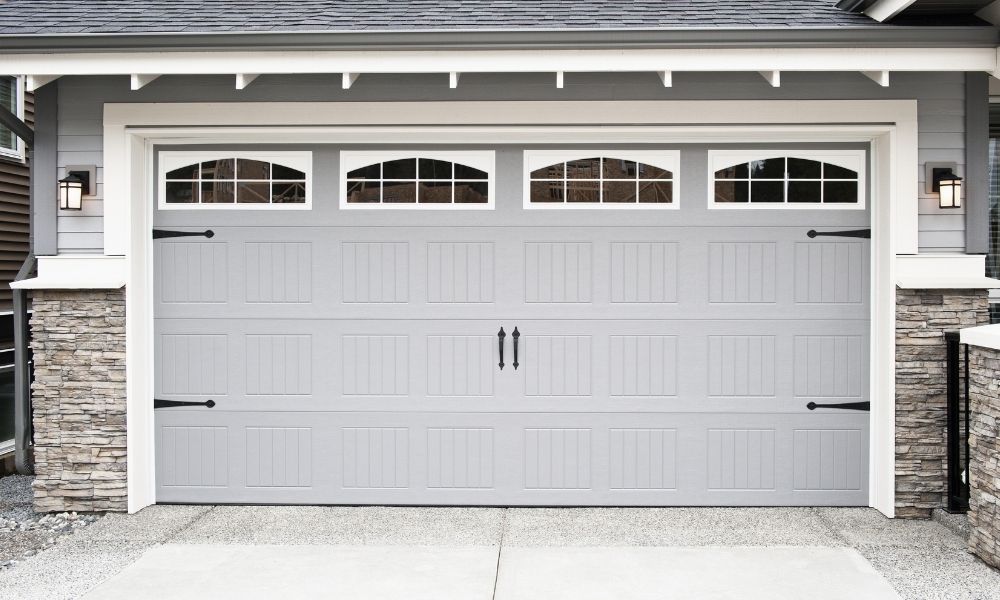
In commercial architecture, entrances do more than guide traffic. They set expectations, establish brand presence, and create the first sensory impression a visitor receives — before employees, lighting, or signage ever have the chance.
For businesses in Cherry Hill, specifying the right storefront doors has become a critical design decision, not just a hardware selection.
Form, Function, and the Architecture of First Impressions
An entrance must succeed in multiple roles simultaneously. It should:
- Invite customers in
- Withstand constant use
- Provide visibility and security
- Align with brand identity
- Maintain energy performance standards
Commercial spaces vary widely — a medical clinic, boutique retail shop, tech office, or restaurant may all require distinct materials and configurations. Yet in Cherry Hill NJ, they share one truth: commercial doors are the handshake of the building.
Material Matters: Choosing the Right Composition
Contemporary storefront systems rely heavily on materials engineered for durability and transparency. Aluminum frames paired with tempered or laminated glass remain a popular specification for balancing strength with light transmission.
Meanwhile, more utilitarian environments may transition toward hollow metal doors to enhance security, fire protection, or industrial resilience without sacrificing code compliance.
Automation and Accessibility
Accessibility is no longer a perk — it’s a requirement. Automatic doors ensure compliance with ADA standards while improving convenience and traffic flow. In high-use healthcare or retail environments, automation reduces impact-related wear and minimizes operational friction during peak hours.
For architects designing with inclusivity in mind, entrance automation is not just a building feature — it’s an experience feature.
Energy & Climate Considerations for Cherry Hill NJ
Commercial buildings in Cherry Hill face temperature swings throughout the year. Entrances play a surprisingly influential role in maintaining interior climate control and energy performance.
Thermal breaks, insulated glass, and proper gasketing can mitigate heat loss, reduce HVAC loads, and manage condensation. These decisions aren’t purely aesthetic — they’re operational and financial.
Branding Through Transparency
Retail spaces in particular rely on storefront visibility. Transparency is marketing. Glass-based commercial doors offer a subtle but effective visual connection between exterior foot traffic and interior merchandising.
This visual dialogue can increase dwell time, improve wayfinding, and reinforce brand confidence through openness and clarity.
Mid-Level and Institutional Environments
Schools, public facilities, and healthcare offices balance durability with safety. Here, the design narrative shifts from expressive branding to controlled access and risk mitigation.
For these applications, hybrid configurations mixing glass-lite panels with hollow metal designs are becoming increasingly common.
Cherry Hill as a Design Context
Cherry Hill NJ presents a commercial landscape where legacy buildings coexist with contemporary development. Specifying commercial entrances in this environment requires sensitivity to both visual harmony and updated performance requirements.
Whether part of a renovation or new construction, choosing the right storefront doors means respecting context, embracing function, and future-proofing the built environment.
Conclusion: Entrances as Architectural Intent
The commercial entrance is no longer treated as a mere access point. It’s a component with architectural intention — balancing form, durability, accessibility, and efficiency.
The smartest decisions are those that consider both short-term use and long-term performance, ensuring that commercial spaces remain welcoming, resilient, and aligned with their purpose.
In Cherry Hill, that starts with specifying doors that do more than open — they communicate.
