

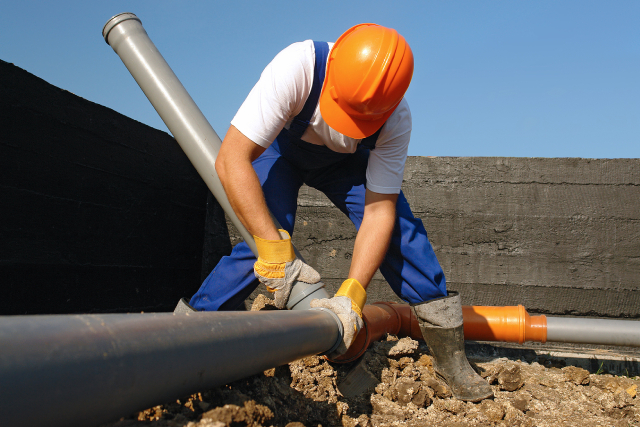
Ever had a backyard that turns into a swamp every time it rains? If so, someone’s probably told you to “just throw in an AGI pipe.” Sounds simple enough, buy the pipe, dig a trench, bury it, and boom: problem solved, right? But when it comes to proper agi pipe drainage, there’s a bit more to it than that.
Well, not exactly. There’s a common mistake happening with AGI pipes, and it’s quietly ruining drainage systems in yards, gardens, and even construction projects everywhere. Let’s talk about what’s going wrong and how to fix it.
First Off—What Is an AGI Pipe?
You’ve likely seen them at the hardware store. AGI pipes are those black, flexible, corrugated tubes with slits along the sides. The name stands for agricultural grade irrigation, and they’re designed to help move water from soggy areas to spots where it can drain away safely.
They’re lightweight, cheap, and easy to install, which makes them a go-to for individuals who prefer to do it themselves and even some contractors. But here’s the catch: they only work when installed properly. And most people don’t do that.
The Do-It-Yourself Drainage Mistake Everyone’s Making
Let’s paint a picture. A homeowner observes that their side yard is consistently damp. After doing some research online, they purchase an AGI pipe, dig a shallow hole, insert the pipe, and then cover it with soil. Done. But what they’ve actually done is bury a plastic tube that’s about to clog up like a straw filled with mud.
AGI pipes have slits that are meant to draw water in, but if you surround the pipe with dirt rather than gravel, you are only encouraging dirt to fill up the pipe. Water stops flowing once it becomes clogged, which leads to flooding.
AGI Pipes Are a Tool—Not a Silver Bullet
The truth is that AGI pipes are not magical. They are only a single component of an appropriate drainage system.
They must be placed in a trench that is filled with drainage aggregate or clean gravel and usually covered with a filter cloth to prevent dirt from seeping in. The slope is also important. The water won’t move if it has nowhere to go. It would be like building a deck without any posts if you skipped any of those steps. It may seem good for a while, but it’s not made to stay.
Drainage is not something to “eyeball,” whether you’re repairing your lawn or working on a larger civil construction material job. It must be purposefully developed.
Where AGI Pipes Work Best
AGI pipes can be great in the right settings:
- Beneath lawns where water tends to pool
- Behind retaining walls to relieve pressure
- In garden beds where you need slow, steady drainage
However, what if you have heavy clay soil, significant stormwater runoff, or regions near the foundation of your house? It’s unlikely that AGI pipes are a good fit. Solid PVC pipes or stronger slotted pipes that can support the weight are preferable in those situations. You shouldn’t expect AGI pipes to perform a task for which they weren’t made for, just as you wouldn’t wear flip-flops on a mountain hike.
It’s All About Using the Right Materials
In the end, it all comes down to using the suitable construction material in the right way. AGI pipes tend to be useful only when they’re part of a bigger, well-planned system.
If you’re the type to just toss one in a trench without gravel or fabric, you’re not fixing the problem; you’re burying it.
Don’t Set Yourself Up for a Do-Over
AGI pipes aren’t bad. In fact, they can be really effective when installed properly. But if you’re dealing with constant puddles, a soggy lawn, or a waterlogged side yard, don’t fall for the “easy fix” approach.
Take a little extra time to do it right. Learn the basics, ask questions, or even call in someone who knows drainage systems. It’ll save you a ton of work (and frustration) later on.
And remember, digging up a failed pipe full of mud is no fun.
