

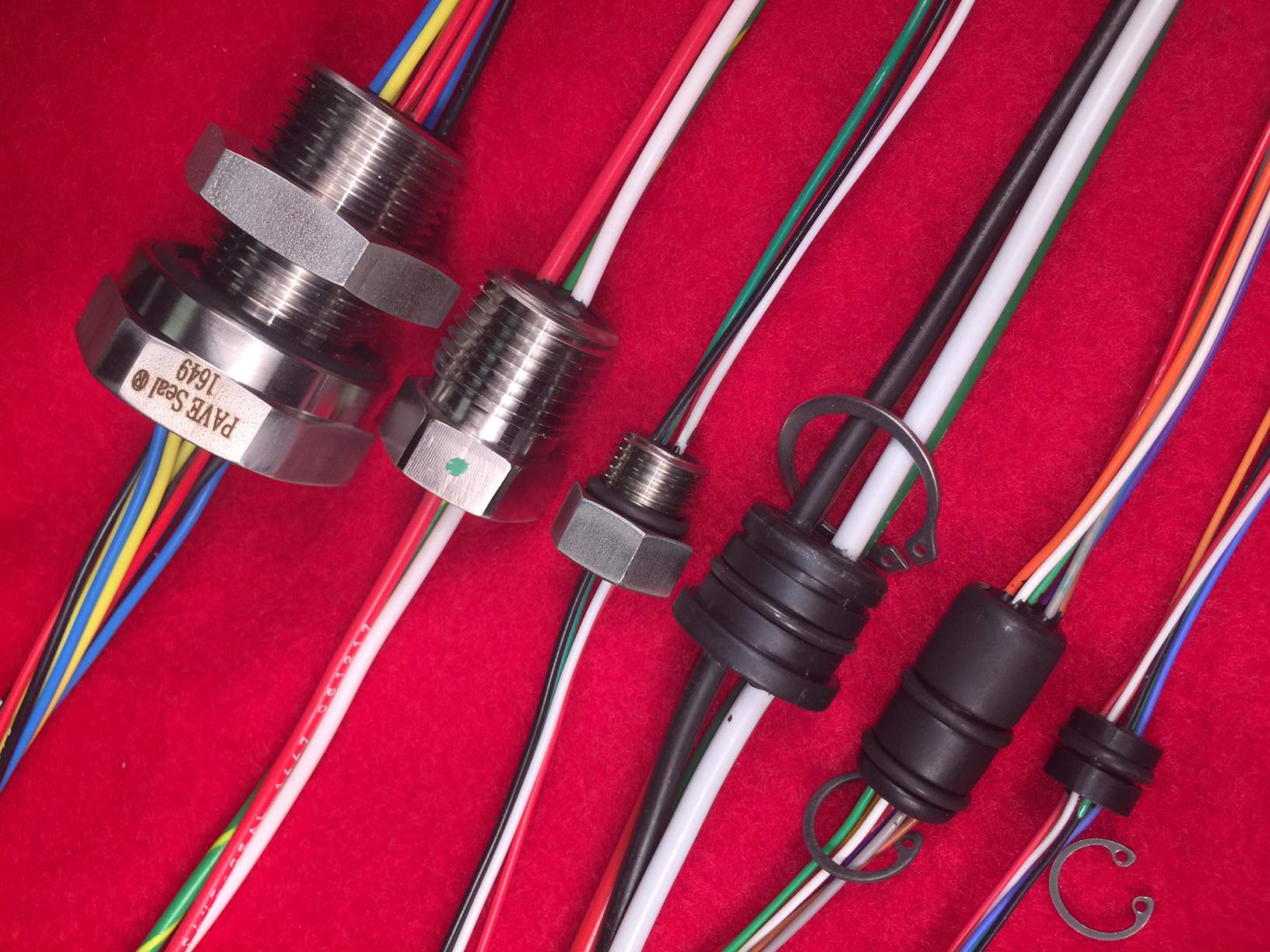
Hermetic feedthroughs are essential components in electronics, aerospace, medical devices, and industrial systems. Choosing the right material is critical to ensuring reliability, electrical performance, and environmental protection. With extreme conditions such as high temperature, pressure, or vibration, the wrong material can compromise system performance. Trusted brands like PAVE Technology offer hermetic feedthroughs in a variety of materials to suit any application.
Why Material Choice Matters
The material of a hermetic feedthrough determines its:
- Sealing capability – Prevents moisture, dust, or gas intrusion
- Electrical insulation – Ensures signal integrity and prevents short circuits
- Thermal stability – Maintains performance under extreme temperatures
- Mechanical durability – Resists vibration, pressure, and stress
Choosing the right material ensures that your hermetic feedthrough performs reliably under the conditions of your specific project.
Common Hermetic Feedthrough Materials
1. Glass
Glass is one of the most widely used materials for hermetic feedthroughs due to its excellent sealing properties. Glass-to-metal feedthroughs provide strong, airtight seals that resist moisture and pressure, making them ideal for vacuum systems and high-pressure applications.
Advantages:
- High sealing integrity
- Excellent electrical insulation
- Resistant to chemical corrosion
PAVE Technology offers precision glass-to-metal hermetic feedthroughs engineered for demanding electronic and aerospace applications.
2. Ceramic
Ceramic materials are known for their high thermal and electrical insulation capabilities. Ceramic hermetic feedthroughs perform well in high-temperature and high-voltage environments, making them suitable for industrial and aerospace electronics.
Advantages:
- Withstands extreme temperatures
- Excellent dielectric properties
- Durable under mechanical stress
PAVE Technology produces ceramic hermetic feedthroughs that ensure both electrical reliability and structural strength.
3. Metal
Metals are primarily used for the housing or pin components of hermetic feedthroughs. Metals such as stainless steel or Kovar® provide mechanical strength, corrosion resistance, and structural support while the insulator maintains electrical isolation.
Advantages:
- Strong and durable
- Resistant to vibration and impact
- Provides structural support for sealing
PAVE Technology selects metals compatible with glass or ceramic to maintain hermetic integrity and long-term durability.
4. Alloys and Composites
Specialized alloys or composite materials are often used in high-performance hermetic feedthroughs to meet specific requirements, such as thermal expansion matching or enhanced sealing under extreme conditions.
Advantages:
- Tailored thermal expansion
- Improved sealing performance
- Enhanced environmental resistance
PAVE Technology develops custom alloy and composite solutions for specialized applications in aerospace, medical, and industrial systems.
How to Choose the Best Material
When selecting a hermetic feedthrough material, consider the following factors:
- Operating environment: Temperature, pressure, vibration, and exposure to chemicals
- Electrical requirements: Voltage, current, and signal type
- Mechanical requirements: Strength, fatigue resistance, and durability
- Compatibility with system components: Sealing and expansion properties
With these factors in mind, PAVE Technology provides expert guidance to help engineers choose the optimal material for every application.
Conclusion
The best material for a hermetic feedthrough depends on the specific requirements of your application. Glass offers excellent sealing and insulation, ceramic provides high-temperature stability, metal ensures strength, and specialized alloys address unique challenges. By carefully evaluating the operating environment and electrical demands, engineers can select the right material for maximum performance and reliability.
For high-quality hermetic feedthroughs with a wide range of materials, PAVE Technology offers durable, reliable solutions for electronics, aerospace, medical, and industrial systems.
