

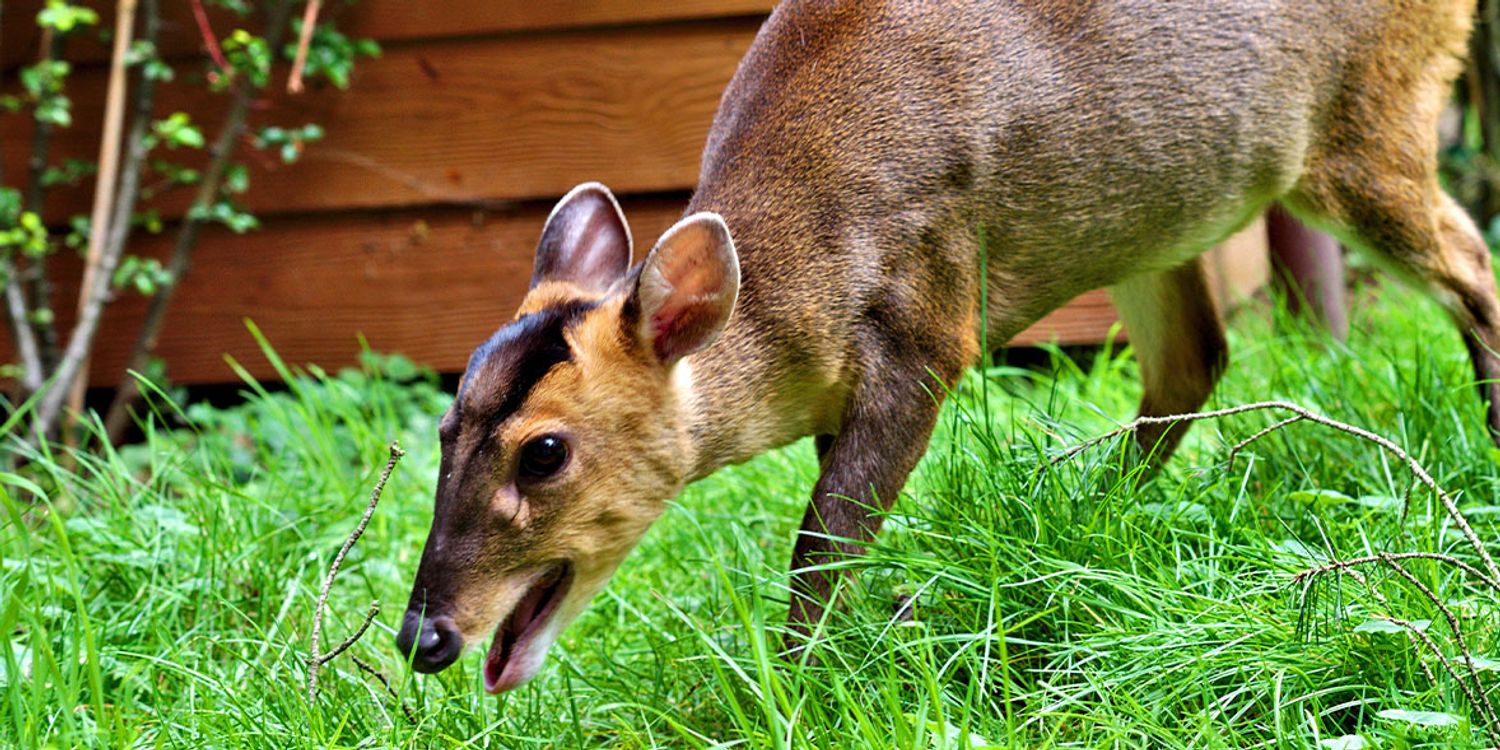
There is a particular frustration that comes with walking out one December morning and finding the arborvitae you planted along the property line three years ago stripped to bare branches from the ground to the four-foot browse line. The damage happens quietly, usually overnight, and by the time it is visible the plant is already in serious trouble. Deer pressure is a consistent reality for Newtown homeowners, and it is one of the less-discussed dimensions of property care in this area. At Tick & Turf, deer repellent treatment is part of the same property protection approach as tick control and lawn care in Newtown CT, because the same dense deer population that carries ticks also does significant damage to landscaping if nothing is done to deter it.
Understanding when deer are most destructive, which plants they target first, and why repellent applications need to be timed around plant vulnerability rather than applied reactively makes the difference between a landscape that survives winter intact and one that needs replacement planting every spring.
Why Deer Become More Destructive in Fall and Winter
Deer are opportunistic browsers throughout the year, but their relationship with residential landscaping changes significantly as fall progresses. Through spring and summer, deer have access to an abundance of natural food sources: wildflowers, grasses, agricultural edges, and the soft new growth of woodland plants. Residential ornamentals are one option among many, and deer typically feed on them selectively rather than returning to the same plants night after night.
By late October and into November, that calculus shifts. Deciduous plants have dropped their leaves, soft vegetation has died back, and the nutritional content of what remains in the landscape declines. Deer begin to rely more heavily on evergreen plants, which retain their foliage through winter and represent one of the few remaining sources of accessible browse. This is when the arborvitae planted along your fence line, the rhododendrons in the foundation planting, and the hostas that survived the first frost all become primary targets rather than supplemental ones.
The deer population in Fairfield County, including Newtown, is not static across the year either. Late fall brings the rut, which increases deer movement across larger territories as bucks pursue does. Hunting pressure in surrounding areas can push deer into residential zones where they are less likely to be disturbed. Cold temperatures increase caloric demands. All of these factors converge in November and December to create the period of highest browse pressure on residential landscaping in Connecticut.
The Plants That Deer Damage Most Consistently in Newtown Landscapes
Arborvitae is the most commonly damaged ornamental in Newtown and throughout southwestern Connecticut. It is planted widely for privacy screening, it is palatable to deer, and it is particularly vulnerable because the portion of the plant that deer can reach, typically the bottom four to five feet, is also the portion that provides the visual screening function homeowners planted it for. A row of arborvitae with the lower third browsed away no longer functions as a privacy screen regardless of how healthy the upper portion remains.
Rhododendrons and azaleas are targeted through late fall and winter for their persistent foliage. Despite containing grayanotoxins that are mildly toxic to many mammals, deer in Connecticut browse rhododendrons regularly, particularly when other options are scarce. Heavily browsed rhododendrons often recover, but repeatedly damaged plants lose their form and may fail to flower for one to two seasons after significant browse injury.
Hostas disappear in summer rather than winter, typically browsed to nubs in June and July when the large, soft leaves are at peak palatability. English yew is another high-preference target and is worth noting because it is also genuinely toxic to deer when consumed in quantity, yet they continue to browse it. Young evergreens of most species, planted within the past two to three seasons before they have established enough size and root mass to tolerate browse stress, are particularly vulnerable to irreversible damage during a hard winter.
Plants that deer generally leave alone in Connecticut include boxwood, spruces, Russian sage, lamb’s ear, catmint, and most ornamental grasses. Designing with a higher proportion of these species in deer-pressure zones reduces the maintenance burden, though it does not eliminate it. Deer preference changes with population density and food availability, and a plant that was ignored for years can become a target when local conditions shift.
Why Fencing and DIY Deterrents Rarely Solve the Problem Long-Term
Temporary tree wraps and hardware cloth cylinders protect individual plants during the most vulnerable period and are a reasonable first line of defense for newly planted stock. The limitation is scale. Wrapping the young Norway spruce you planted last spring is manageable. Protecting a thirty-foot run of arborvitae, a full foundation planting, and the rhododendron grove along the back property line with physical barriers is neither practical nor aesthetically acceptable for most homeowners.
Homemade repellents based on soap, predator urine, or hot pepper tend to provide limited and inconsistent results for a few reasons. Rain and weather degrade active ingredients quickly, requiring constant reapplication. Deer acclimate to deterrents they encounter repeatedly without experiencing a genuine aversive consequence, which reduces effectiveness over a season. And application coverage on dense plantings is uneven without proper equipment, leaving gaps that experienced foragers will find.
How Professional Repellent Programs Work and Why Timing Matters
Commercial deer repellent products used in professional applications, including DeerPro and similar formulations, use active ingredients that create a persistent taste and odor aversion that deer associate with the treated plants rather than habituating to over time. The key variables in their effectiveness are application timing, coverage, and reapplication intervals appropriate to weather conditions.
For winter protection, the application window matters significantly. Plants need to be treated before browsing pressure intensifies in November, not after the first round of damage has already occurred. A professional fall application, typically in October or early November before hard freezes make application difficult, protects plants through the highest-pressure winter period. Tick & Turf’s winter deer repellent applications use long-lasting formulations that provide coverage for up to six months under normal conditions, carrying protection through the period when deer pressure is most consistent and most damaging.
Spring and summer applications address hosta and other warm-season browse pressure on a shorter cycle, typically four to six weeks, because warmer temperatures and rain accelerate product breakdown. The frequency is higher, but so is the value for homeowners who have watched deer eliminate their hosta plantings two summers in a row.
The Deer and Tick Connection That Makes Repellent Part of a Broader Property Strategy
Deer are the primary reproductive host for adult blacklegged ticks in Connecticut. A deer that moves through your property drops ticks that have completed their blood meal, and those ticks establish in your lawn edges and leaf litter for the next generation. Reducing deer visitation to your property through repellent treatment does not eliminate ticks, but it does meaningfully reduce the rate at which new ticks are introduced to the property over time. This is one of the reasons Tick & Turf treats deer repellent as complementary to tick control rather than a separate service with no relationship to the other.
Deer Repellent, Tick Control, and Lawn Care in Newtown CT from Tick & Turf
The properties in Newtown that come through winter with their landscaping intact are almost always the ones where repellent was applied before the first hard browse pressure, not after a homeowner noticed the arborvitae had been stripped. The timing gap between damage and the decision to treat is where most of the loss happens.
Tick & Turf provides deer repellent treatment alongside tick control and lawn care in Newtown CT and throughout Fairfield and New Haven Counties, including Southbury, Brookfield, Oxford, and Middlebury. Fall application scheduling for winter coverage fills up in October, so getting on the schedule before then ensures your plants are protected before the season’s most damaging period begins. Call (203) 232-7285 or visit tickandturf.com to get a quote and discuss what your property needs before the deer pressure arrives.
