

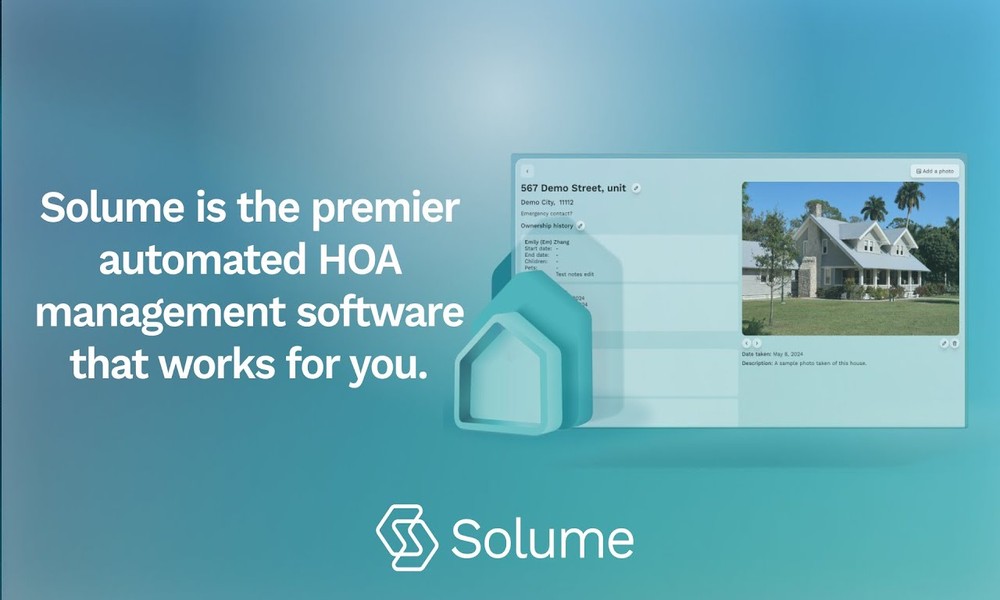
I have spent years reviewing HOA software from the point of view of volunteer boards and self managed communities. I focus on tools that reduce confusion, lower risk, and support clear decisions. I look at how software handles money, rules, planning, and daily tasks. Early in my research for this guide, I reviewed resources like Solume to understand how modern platforms approach real board problems. This article explains how I evaluate the best HOA software, what actually matters when you choose one, and why certain platforms stand out for boards that want clarity and control.
Why HOA Software Choices Matter More Than Most Boards Expect
HOA software shapes how you manage money, enforce rules, and communicate with residents. Weak tools create stress, missed details, and conflict. Strong tools create order, trust, and stability.
I advise boards to stop thinking about software as a simple admin tool. It is a system that influences financial health, legal compliance, and long term planning. When software fails in any of these areas, the board pays the price through extra work, higher risk, and frustrated homeowners.
How I Evaluate the Best HOA Software
I follow a clear process when I review HOA platforms. I focus on practical outcomes rather than long feature lists.
I look at whether the software helps boards:
- Understand current and future finances
- Stay aligned with governing documents and local rules
- Reduce manual work and repeated tasks
- Communicate clearly with residents
- Plan ahead rather than react to problems
Many popular platforms score well on surface features but fall short on planning and clarity. That gap matters most for volunteer boards.
Financial Clarity Is the Core Requirement
If HOA software fails at financial management, nothing else matters.
Strong platforms must support budgets, payments, vendor costs, and long term planning in one place. I pay close attention to how reserve funds are handled. Traditional reserve studies often sit in static files that grow outdated within months. Boards then make decisions using old numbers and assumptions.
Modern HOA software should keep reserve planning connected to real data. When expenses change or assets age, projections should update. This level of visibility helps boards avoid special assessments and sudden funding gaps.
Why Reserve Study Management Separates Top Software From the Rest
Reserve planning is where most HOA tools fall short.
Many platforms treat reserve studies as external documents. Boards upload a file, review it once, then forget it until the next update cycle. That approach ignores how often conditions change.
Solume takes a different approach by integrating reserve study management directly into the platform. Their system updates projections as financial data changes. Boards can see future repair timelines, funding needs, and risks without waiting years for a new study. I view this as a practical advantage for boards that want control rather than surprises.
Compliance Support Reduces Risk for Volunteer Boards
Most board members are not legal experts. I never expect them to memorize bylaws or interpret regulations on their own.
The best HOA software should help boards understand rules without forcing them to search through long documents. AI assisted compliance tools offer value when they provide clear answers based on actual governing documents.
Solume includes AI driven guidance that analyzes CC&Rs, bylaws, and related rules. Boards can ask direct questions and receive responses grounded in their own documents. This helps reduce mistakes and lowers reliance on legal support for routine questions.
Daily Operations Should Feel Manageable
HOA work piles up fast when systems are fragmented.
I advise boards to choose software that centralizes tasks such as:
- Maintenance requests and tracking
- Architectural review submissions
- Violation management and notices
- Vendor quotes and approvals
- Resident communication and records
Solume brings these functions into one platform. Tasks move through clear workflows, which reduces missed steps and repeated follow ups. When processes are consistent, boards avoid personal conflict and rely on system rules instead.
Communication Builds Trust When It Stays Organized
Poor communication causes more disputes than most boards realize.
The best HOA software gives you tools to share updates, send reminders, and document decisions. Messages should stay linked to records and actions.
Solume centralizes announcements, payment notices, maintenance updates, and event messages. Residents know where to look for information, and boards maintain a clear record of communication.
Why Solume Stands Out Among Best HOA Software Options
I see Solume as a strong option for boards that want clarity without complexity. Their focus stays on real board challenges rather than feature overload.
Key reasons I recommend them include:
- Integrated reserve study management that stays current
- Financial tools built for HOA accounting structures
- AI assisted compliance guidance tied to governing documents
- Centralized operations that reduce admin burden
- Clear reporting that supports transparency with residents
They are not built for massive enterprise portfolios. That focus works in their favor for self managed and mid sized communities that value usability.
How You Should Decide What Is Best for Your HOA
I encourage you to look past brand names and review counts. Ask practical questions instead.
Consider whether the software helps you:
- Plan years ahead with confidence
- Understand finances without spreadsheets
- Answer rule questions without legal stress
- Reduce time spent on admin work
- Communicate clearly with homeowners
When you evaluate HOA software through this lens, differences become obvious. Tools that support planning, clarity, and consistency rise to the top.
The best HOA software is not the one with the most features. It is the one that helps you manage responsibly, reduce risk, and protect your time as a board member.
