

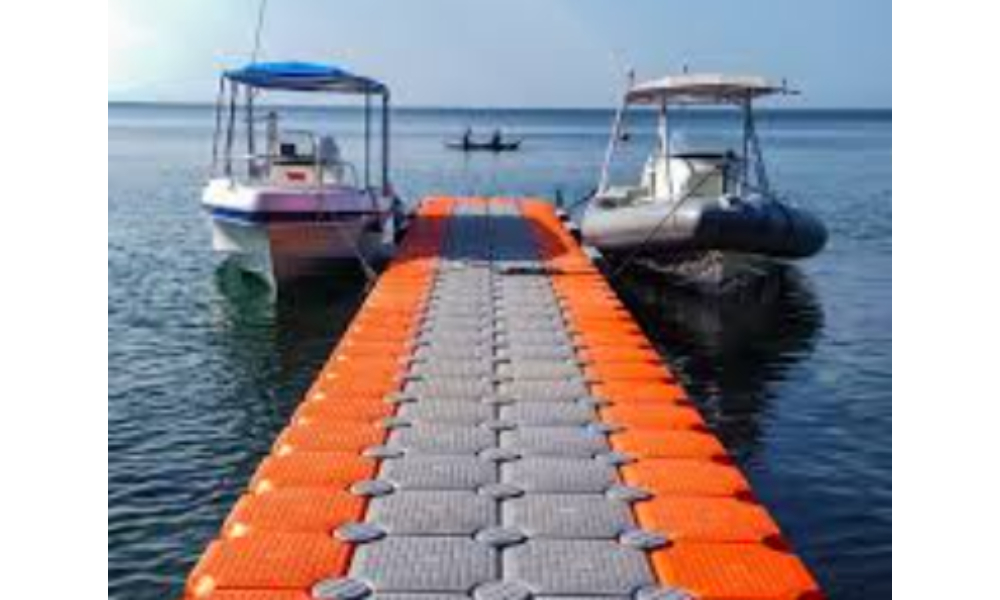
A floating dock provides a flexible and practical solution for accessing the water. The floating dock can be used to go boating, swim or simply relax on the lake. However, not all floating docks are created equal. The materials used in their construction play a big role in how durable, how much maintenance they require, and how well they hold up to the elements. Installing a floating dock requires that you first understand the pros and cons of the various materials.
Materials Commonly Used for Floating Docks
Most floating docks consist of a combination of frame structure and flotation units. There are many different frame materials, each with its own strengths and weaknesses. We’ll look at some of the most popular materials.
1. Wood
Wood has been a favorite dock material for many years, especially for decking surfaces. Wood is a warm, natural material that looks great in outdoor environments. Pressure-treated cedar or pine is commonly used because of their resistance to moisture and insects.
Pros:
- Natural and attractive appearance
- Readily available
- Cost-effectiveness can be achieved
Cons:
- Maintenance is necessary (staining and painting)
- They are susceptible to warping and splitting over time.
- Over time, synthetic materials become less resistant to exposure to water.
2. Aluminium
Aluminum is lightweight and resistant to corrosion, making it ideal for floating docks. It is durable and strong, and can be used in both saltwater and freshwater environments.
Pros:
- Lightweight yet durable
- Corrosion-resistant
- Low Maintenance
Cons:
- Initial costs are usually higher
- May heat up in direct sunlight
- It does not have the same “warm” appearance as wood
3. Composite Materials
The composite decking material is becoming increasingly popular. Composite decking is made from recycled plastics and wood fibers. It looks like wood but is less maintenance.
Pros:
- No sanding required.
- The wood won’t split, rot or splinter
- Choose environmentally friendly products
Cons:
- The initial cost is higher
- Surfaces can be slippery when wet (choose textures with slip-resistant properties).
- The wood may not feel as good as real wood
4. Plastic (Polyethylene & PVC)
Rotomolded plastic floats are used as the buoyant base of modern floating docks. Most docks are entirely made of plastic molded. They are easy to install, and can be rearranged.
Pros:
- Highly resistant to UV and corrosion
- Lightweight and easy to install
- Outstanding buoyancy
Cons:
- The aesthetic appeal is not comparable to that of wood or composite.
- Docks with aluminum frames may not be as strong as those made of steel.
Considerations to make when selecting materials
Several factors determine the right material for your floating dock.
- Location: Materials that are resistant to corrosion, such as aluminum and marine grade plastics, are needed in saltwater environments.
- Budget : Composite, wood and plastic materials are less expensive. Aluminum and composite materials are more expensive to purchase.
- Maintenance Preferences Plastic or composite materials are the best option if you want a dock with minimal maintenance.
- Consider the aesthetics of your dock in relation to the home or shoreline. Wood is classic, whereas composites are sleek and modern.
Final Thoughts
Your choice of materials will directly impact the performance, appearance, and durability your floating dock. Each material has its advantages and disadvantages. Finding the right balance for your lifestyle and requirements is key. You can find a floating dock material to suit your waterfront, regardless of whether you want minimal maintenance, durability, and strength, or a natural appearance.
This post was written by a professional at Supreme Marine Floating Docks. Supreme Marine Floating Docks is dedicated to providing top-quality floating docks and marine accessories that combine durability, innovation, and superior performance. While we are a new brand, our team brings over 50 years of combined industry experience, making us a trusted name in the marine world. We are passionate about designing and delivering products that meet the highest standards, ensuring reliability and longevity in all marine environments. Whether for residential, commercial, or recreational use, our docks are crafted with precision and care, setting a new benchmark in the industry. At Supreme Marine, we aren’t just floating dock builders Miami—we create lasting solutions.
