

Birds are beautiful to observe, but they incur thousands of dollars of damage to commercial buildings, farms, and homes every year across the Midwest. Properties in the Midwest, with its humid summers and moderate winters, are ideal for a number of birds that can stay on your property permanently. Once they take hold, they are complex and costly to eradicate. When costly headaches start to arise, professional bird control near me can ensure they never do.
What Is Bird Netting? Explained!
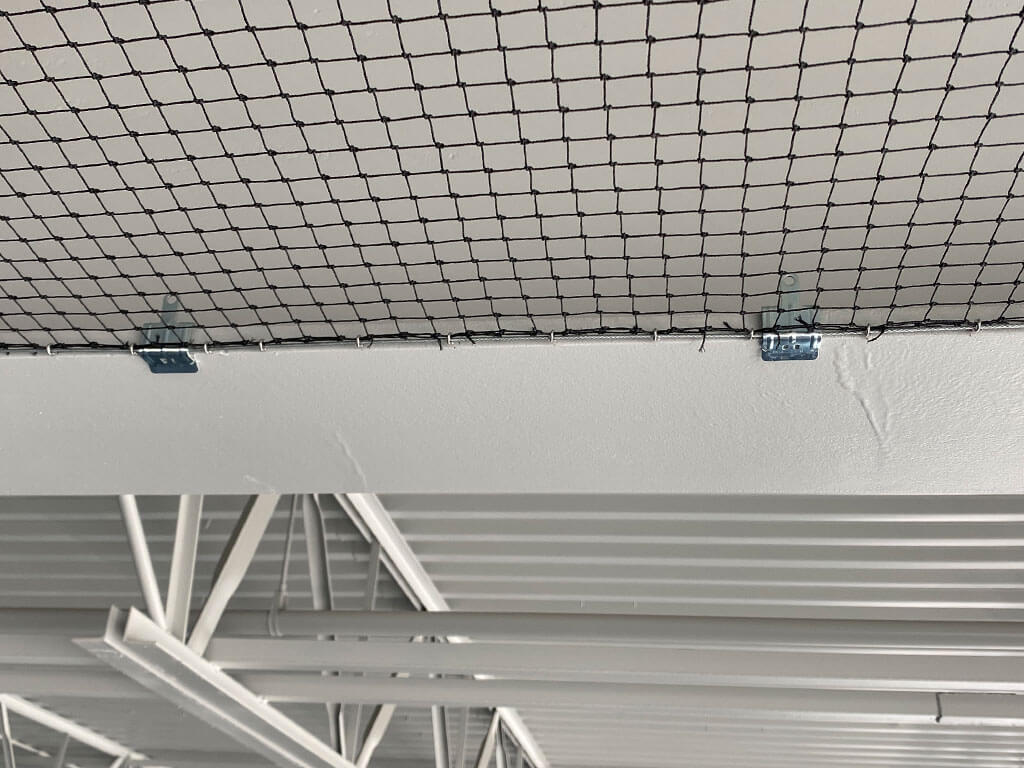
Bird netting is one of the most humane methods available today for stopping birds from invading without killing them. This high-grade mesh prevents birds from reaching a particular area while also facilitating air and light through the mesh.
Contemporary bird netting is available in numerous mesh sizes, most commonly 3/4 inch to 2 inches, based on target species prevalent across the Midwest. Fabric is typically high-density polyethylene or nylon and is intended to endure the harshest weather, including Midwest freeze-thaw cycles.
That netting is a long way from the stuff you find in hardware stores, and the professional stuff is also very different. Also UV-stabilized, flame-resistant, and designed to withstand the wind loads typical of the Great Plains. Good Bird netting, if installed correctly, can remain intact for 10–15 years, requiring minimal maintenance.
How To Know You Need Bird Netting? Signs to Watch Out For
-
Visible Bird Activity and Nesting
The first sign that birds are frequenting your property is the obvious ones that you will see. Keep an eye out for flocks of starlings, pigeons, or sparrows that appear to have staked a territory. In many states in the Midwest, the spring migration pattern shows up lots of birds looking for nesting areas, and once they find a place, they come back year after year.
-
They Bring Property Damage and Droppings
Bird droppings are not only unsightly, but they are acidic and a permanent threat to building materials, automobiles, and equipment. Midwest agricultural operations incur over $1.2 billion a year in losses due to bird damage, the Illinois Department of Agriculture estimates. If accumulations of droppings, staining of surfaces, or corrosion of metal fixtures are present, birds have likely taken up residence within the property.
-
They Bring Health and Safety Concerns
More than 60 zoonotic diseases, including Salmonella and E. coli, are known to be spread by birds to people. According to the Ohio Department of Health, the prevalence of bird-associated health events at commercial entities has risen 23% in the past five years. If employees or customers are complaining of respiratory problems or if you notice new odors around your property, bird contamination may be to blame.
How do Professionals Help In This?
Trying to install bird netting yourself usually results in expensive blunders and minimal protection. For most of those who own property, the first realization they make is that the netting that they find at the local store does not withstand the wear and tear of extreme weather that is often found in certain regions.
Installation typically means everything is measured correctly, the mesh is used for local species of birds in the correct size, and a securely anchored system is in place that holds up to temperature fluctuations throughout seasons. Professionals understand local building codes and safety requirements, which are often overlooked during DIY installations and can lead to liability issues.
With every project, Reliable Pest Solutions, for instance, deploys specialized equipment and regional expertise. They know Midwestern properties, such as those contending with migrating waterfowl or year-round pigeon populations, have unique struggles. Technicians evaluate how much structure is needed and what netting specifications are appropriate, and they always offer maintenance to ensure the long-term performance of the product.
