

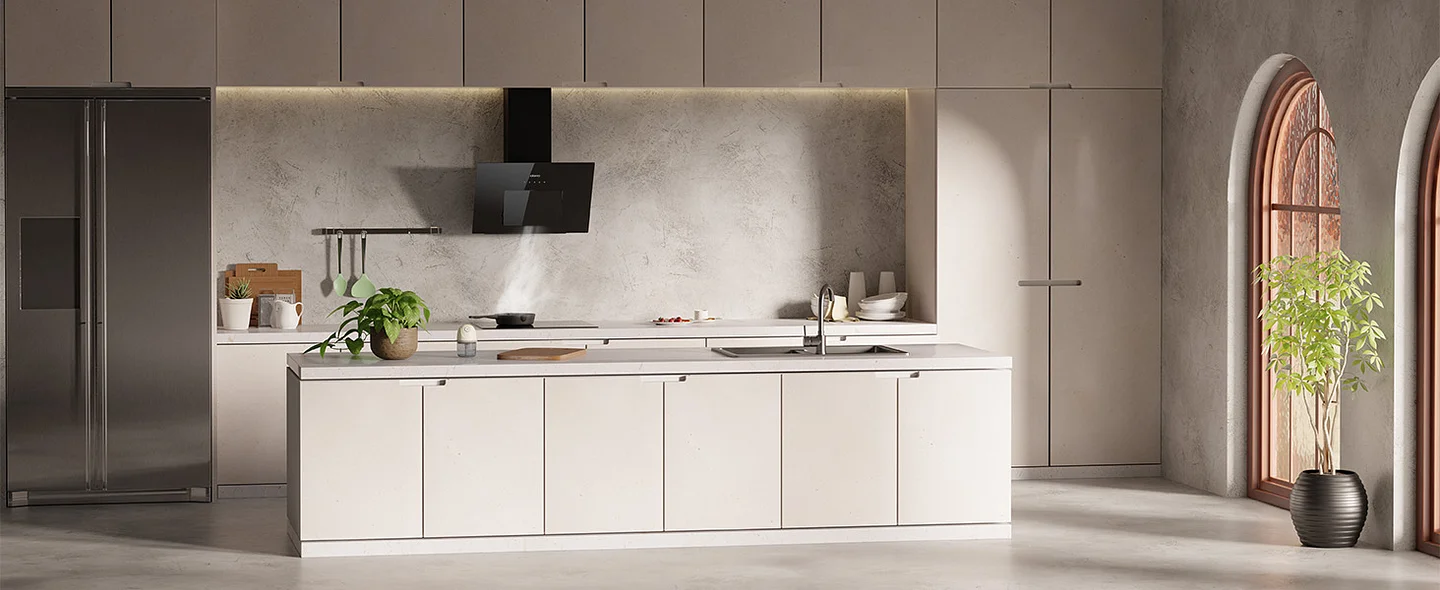
Selecting the right cooktop with rangehood is an essential step in creating a functional and efficient kitchen. The right combination improves cooking performance, maintains good air quality, and keeps your kitchen clean. With so many options in terms of size, style, and technology, it’s important to understand the key factors involved in making an informed choice.
Why a Range Hood Matters
A range hood is more than a decorative element in the kitchen. Its primary function is to remove smoke, steam, odors, and airborne grease produced while cooking. Without proper ventilation, kitchens can quickly become filled with lingering smells, excessive moisture, and smoke, which can affect comfort, hygiene, and even kitchen surfaces.
Choosing a range hood that matches your cooking habits ensures that your kitchen remains comfortable and safe. For example, frying or grilling produces more smoke than boiling, making efficient ventilation especially important.
Matching Cooktop Size with Range Hood
Size compatibility is crucial when pairing a cooktop with a range hood. As a general guideline, the width of the range hood should match or slightly exceed the cooktop’s width to capture all smoke and fumes effectively.
- Small Cooktops (60 cm / 24 inches): Suitable for 60–70 cm range hoods. Ideal for compact kitchens or limited cooking areas.
- Medium Cooktops (75–80 cm / 30–32 inches): Require 75–80 cm range hoods for proper ventilation.
- Large Cooktops (90 cm / 36 inches or more): Benefit from 90–100 cm range hoods, especially for frequent or heavy cooking.
Matching sizes ensures efficient air extraction, keeping smoke and odors from spreading throughout the kitchen.
Types of Range Hoods
The type of range hood you choose depends on kitchen layout and cooking needs:
- Under-Cabinet Hoods: Mounted beneath cabinets, these are space-saving and suitable for small kitchens.
- Wall-Mounted Hoods: Installed above the cooktop on a wall, offering high efficiency and various design styles.
- Island Hoods: Suspended above cooktops on kitchen islands, providing ventilation and a visual centerpiece.
- Integrated or Built-In Hoods: Concealed within cabinets or combined with the cooktop, offering a seamless and space-efficient solution.
Each type has unique advantages, so selection depends on your kitchen’s design, available space, and functional requirements.
Features to Consider
When selecting a cooktop with rangehood, it’s important to evaluate key features:
- Extraction Rate (CFM): Measures how much air the hood can move per minute. Higher CFM is ideal for heavy cooking.
- Noise Level: Quieter operation ensures a more pleasant kitchen environment.
- Lighting: Built-in lighting improves visibility while cooking.
- Filters: Removable and washable filters make maintenance easier and enhance efficiency.
Additionally, consider the venting type: ducted hoods exhaust air outside, offering maximum efficiency, while ductless hoods filter and recirculate air inside the kitchen.
Installation Guidelines
Proper installation ensures optimal performance. Typically, the hood should be mounted 24–30 inches above an electric cooktop and 28–36 inches above a gas cooktop. This allows the hood to capture smoke effectively without interfering with cooking.
Correct ducting or recirculation also matters. Ducted hoods provide superior performance but require exterior venting. Ductless models are easier to install where venting isn’t possible but may have slightly reduced efficiency.
Kitchen Layout and Aesthetics
A cooktop with rangehood should complement the kitchen’s layout and design. Common finishes include stainless steel, glass, and black, which suit various styles from modern to traditional. Integrated hoods provide a minimalist look, while wall-mounted or island hoods can serve as statement pieces.
Consider how the hood fits with other elements like cabinets, lighting, and workflow. Functionality and aesthetics should work together to create a balanced kitchen environment.
Practical Tips for Choosing the Right Combination
- Measure your cooktop before selecting a range hood.
- Choose a hood with adequate extraction power for your cooking habits.
- Consider noise level, lighting, and filters for convenience.
- Select a hood that complements your kitchen layout and design.
- Whenever possible, opt for a hood slightly wider than the cooktop for maximum coverage.
Conclusion
Selecting the perfect cooktop with range hood requires careful consideration of size, type, features, and kitchen layout. A well-matched combination ensures efficient ventilation, improves air quality, and enhances the overall cooking experience. By understanding your kitchen’s needs and evaluating the available options, you can create a functional, comfortable, and visually appealing cooking space that meets both practical and aesthetic requirements.
