

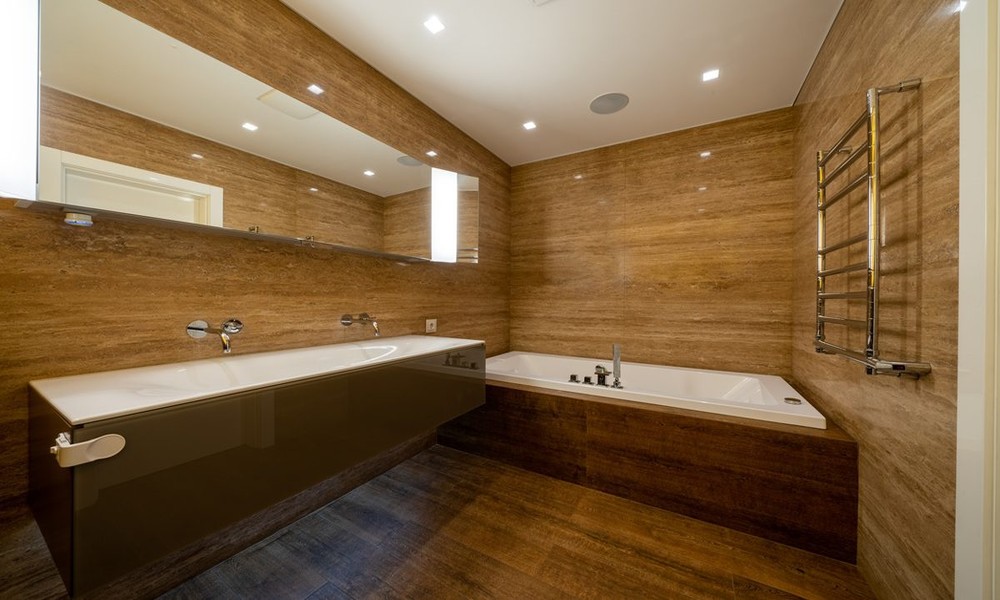
Selecting the proper kind of plywood is essential when creating certain spaces within homes since the plywood will provide the best service possible while also providing long lasting durability.
In India, moisture typically occurs in two areas of homes: in kitchens and bathrooms. While both bathrooms and kitchens contain moisture, it is important for people to recognize the differences in how and where to waterproof plywood so that they can make an informed decision when it comes to creating either their kitchen or their bathroom.
Moisture Exposure in Kitchens
Kitchens are exposed to moisture on a daily basis due to the washing of dishes, preparation of food, and cleaning of countertops and sinks. It is also possible for moisture to enter your home through spills, cooking steam, or leaking from underneath the sink. However, kitchens generally have better airflow, so they are not constantly subjected to high levels of humidity, which would result in a less severe level of humidity compared to bathrooms.
The most productive way to use waterproof plywood in kitchens is to install it in areas that are most likely to sustain a significant amount of water exposure such as in the dishwashing, dish drying, and sink locations, or beneath the countertops. Since the kitchen cabinets (upper) and shelves (dry-storage) experience significantly less moisture exposure, selectively applying waterproof plywood to these storage areas makes more sense economically.
Moisture Exposure in Bathrooms
Compared to kitchens, bathrooms have higher levels of moisture present at greater levels of humidity (due to humidity in bathrooms being released during all soap making & rinsing of hands), so it has the highest chance of having some level of moisture present for much longer periods of time compared to kitchen cabinetry. Since bathrooms lack airflow, the rate of evaporation in bathrooms tends to continue for longer periods of time which causes problems with choosing products for extreme moisture protection.
When selecting the proper materials for furniture for a bathroom, it is critical to use waterproof plywood in all the bathroom storage units and furniture that will come in contact with either water vapour or steam, due to the extended periods of exposure. If you were to use regular plywood in a setting where there is constantly excessive moisture, you would have a very high chance of swelling and delaminating the plywood due to moisture, with resulting potential fungal growth; conversely, using waterproof plywood would provide you with continuous strength and shape resistance from excessive moisture.
Major Differences to Help in Making Material Selections
Kitchens have the largest difference, in both the maximum length of exposure to water, and the degree to which that surface area has been exposed to humidity. For example, at any moment, some sort of objects have come into contact with water through kitchen cabinetry for a short period of time, and then have left the cabinets; however, from a bathroom unit, will have remained in a high humidity environment for an extended length of time. Thus, the highest possibility of damage from moisture will occur in bathrooms throughout their entire interior spaces.
Selecting High Quality Waterproof Plywood
Waterproof plywood comes with many different performance levels, and therefore, it is important to select high-quality items that are certified to provide you with dependable long-term low-maintenance service in both kitchen and bathroom areas. Many professionals and homeowners use Royale Touche waterproof plywood for both applications because of the consistently high-performance quality of this product.
Final Thoughts on Waterproof Plywood
Waterproof plywood has an important role in the creation of cabinetry in both bathrooms and kitchens, but you should determine the areas where it will be best used due to the moisture exposure present, then utilize waterproof plywood appropriately to prevent excessive moisture build-up from destroying either your cabinetry or your furniture from repeated moisture challenges.
