

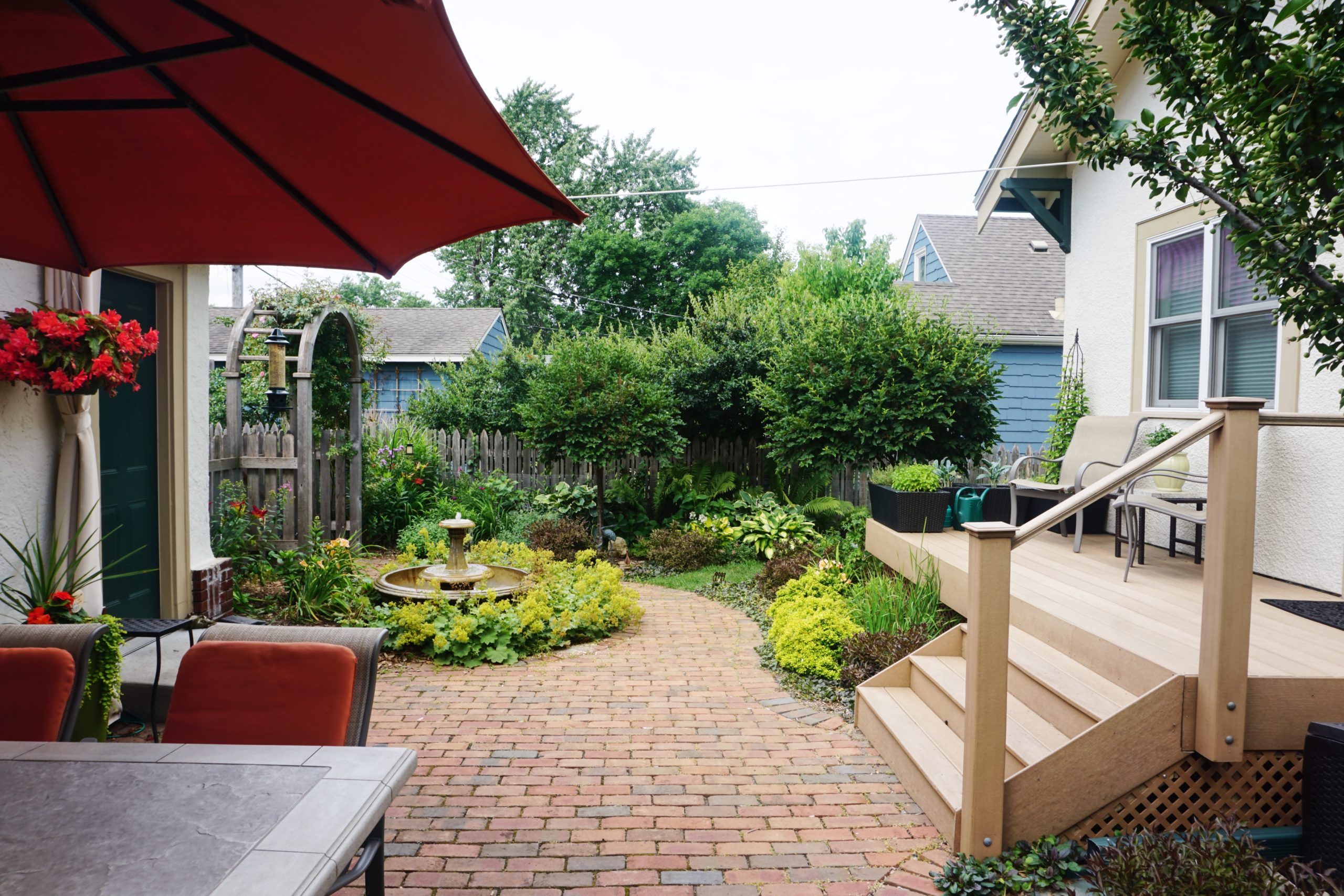
Landscaping services in the Twin Cities address the unique demands of Minnesota’s climate, where harsh winters, variable summers, and specific soil types shape outdoor environments. Properties in Minneapolis, St. Paul, and surrounding areas benefit from designs that incorporate durable materials, seasonal interest, and practical features. Providers with deep regional knowledge, such as Warner’s Outdoor Solutions, apply over three decades of experience to develop solutions that align with local conditions and homeowner preferences.
Thoughtful landscaping transforms yards into extensions of living spaces. The process starts with a design that balances aesthetics and utility, considering factors like sunlight exposure, drainage patterns, and intended use. Plants selected for the region, including hardy perennials, shrubs, and trees, ensure longevity and multi-season appeal. Hardscaping elements add structure and definition, while integrated features enhance enjoyment year-round.
Landscape Design Tailored to Twin Cities Properties
Design lays the foundation for any successful project. Initial consultations explore client visions, site specifics, and budget parameters. Professionals assess soil composition, topography, and existing features to create plans that maximize space efficiency. Garden layouts incorporate color, texture, and form for visual interest across seasons.
Privacy screening through strategic plantings or structures addresses common urban and suburban concerns. Water features, such as ponds or fountains, introduce calming elements while requiring careful integration to manage water flow. Outdoor living areas, including patios and seating zones, extend usable space for gatherings. Warner’s Outdoor Solutions demonstrates this approach through customized plans that reflect both client input and practical expertise in the metro area.
Installation Practices for Lasting Results
Execution turns concepts into reality with attention to detail and minimal disruption. Teams prepare sites by addressing grading and drainage issues first, preventing future problems like erosion or pooling. Hardscaping construction involves precise placement of pavers, walkways, retaining walls, and pillars using quality materials suited to freeze-thaw cycles.
Plant installation follows established best practices, with proper spacing, soil amendments, and mulching to support establishment. Rock and mulch applications control weeds, retain moisture, and tie elements together aesthetically. Outdoor lighting installation highlights key features for safety and ambiance after dark. These steps ensure installations withstand regional weather stresses.
Maintenance Strategies for Sustained Appeal
Ongoing care preserves the investment in landscaping. Regular plant maintenance includes pruning, trimming, and monitoring for disease or pests common in the area. Hardscape inspections identify wear or shifting early. Seasonal tasks, such as mulching in spring and cleanup in fall, maintain tidiness and health.
Irrigation systems, including smart controllers, deliver water efficiently based on weather conditions. Fertilization and weed management support plant vigor without excess applications. Drainage solutions installed during the project continue to function effectively with periodic checks. Consistent maintenance keeps landscapes performing as intended through Minnesota’s variable seasons.
The Value of Regional Expertise in Landscaping
Local knowledge informs every aspect of landscaping services in the Twin Cities. Understanding prevalent soil types, common plant responses to humidity and cold, and effective hardscaping techniques leads to more resilient outcomes. Warner’s Outdoor Solutions brings this perspective, with roots dating back to 1990 and a track record of serving residential and commercial clients across Minneapolis, St. Paul, and nearby communities.
Properties gain enhanced curb appeal, increased usability, and better environmental function through proper landscaping. Stormwater management improves with thoughtful grading and plantings, while diverse vegetation supports local wildlife. These elements contribute to neighborhoods that feel welcoming and well-cared-for.
