

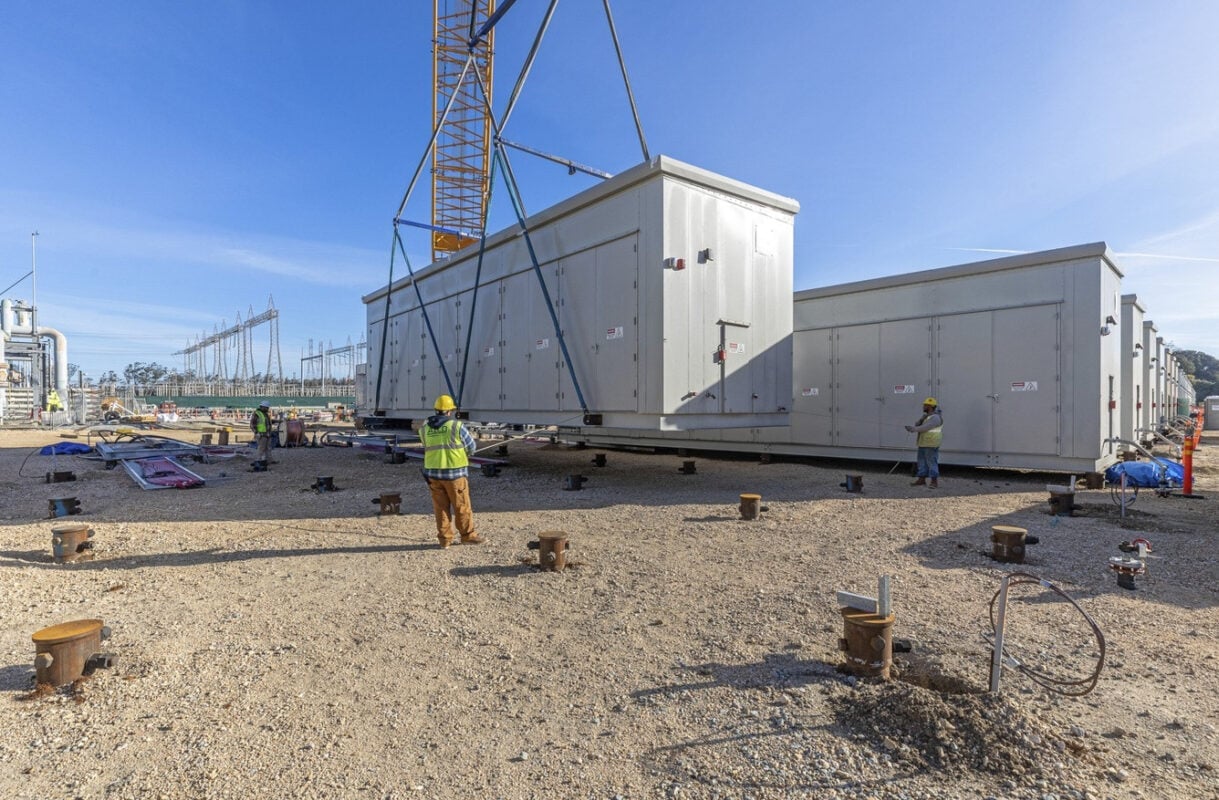
Battery energy storage systems stand at the forefront of modern energy solutions. These systems capture excess power from renewable sources and release it during peak demand periods. A skilled BESS EPC contractor handles the full lifecycle, from initial design to final commissioning. This approach ensures seamless integration with existing grids. Companies like Knobelsdorff Enterprises demonstrate this through their work on utility-scale projects in Minnesota.
Renewable energy adoption accelerates across the United States. Solar and wind installations generate intermittent power. BESS addresses this variability by storing energy for later use. Effective EPC services become essential in this context. Engineering teams assess site conditions and grid requirements early on. Procurement involves sourcing reliable batteries and inverters. Construction phases demand precise execution to meet safety standards.
Knobelsdorff Enterprises has managed these elements in projects such as the Marshall solar array combined with BESS. Their end-to-end execution highlights practical strategies for overcoming common hurdles.
Key Considerations in BESS Engineering and Design
Engineering forms the foundation of any successful BESS project. Teams evaluate thermal management to prevent overheating in battery modules. Grid compatibility requires detailed simulations. Software tools model energy flows and predict performance under various scenarios.
Design choices impact long-term efficiency. Modular systems allow for scalability as needs grow. Safety protocols incorporate fire suppression and monitoring sensors. Experienced contractors integrate these features without compromising cost-effectiveness.
Projects in regions like Minnesota face unique climate challenges. Cold temperatures affect battery performance. Insulated enclosures and heating elements mitigate these issues. Knobelsdorff Enterprises applies such adaptations in its renewable installations, ensuring reliable operation year-round.
Regulatory compliance adds another layer. Permits from local utilities and environmental agencies must align with national standards. Thorough documentation streamlines this process.
Procurement Strategies for BESS Components
Sourcing components demands attention to supply chain dynamics. Batteries represent the largest expense. Lithium-ion options dominate due to high energy density. Alternatives like flow batteries suit specific applications.
Vendors undergo rigorous evaluation for quality and reliability. Lead times vary, often extending to several months. Diversifying suppliers reduces risks from global disruptions.
Inverters convert stored DC power to AC for grid use. Advanced models support bidirectional flow. Control systems enable remote monitoring and optimization.
A BESS EPC contractor coordinates these acquisitions to match project timelines. Bulk purchasing can lower costs, but requires accurate forecasting. Integration testing verifies compatibility before installation.
Construction and Commissioning of BESS Facilities
Site preparation begins with groundwork and foundations. Concrete pads support heavy battery containers. Electrical infrastructure includes transformers and switchgear.
Wiring connects modules to the grid. High-voltage cabling demands specialized handling. Teams install grounding systems to protect against faults.
Commissioning involves systematic testing. Initial checks confirm individual components function correctly. Full-system trials simulate real-world operations.
Post-commissioning, performance data guides adjustments. Metrics like round-trip efficiency reveal areas for improvement.
Knobelsdorff Enterprises oversees these stages in their community solar and BESS initiatives. Their portfolio, including the Dundas project with extensive wiring, underscores the value of integrated EPC services.
Maintenance Practices for Sustained BESS Performance
Ongoing maintenance preserves system longevity. Regular inspections detect wear in connections and enclosures. Software updates enhance control algorithms.
Predictive analytics forecasts potential failures. Sensors track temperature, voltage, and state of charge. Data-driven decisions extend battery life.
Operations teams respond to alerts promptly. Scheduled downtime minimizes disruptions. Contracts often include 24/7 support for emergencies.
In renewable portfolios, such as those spanning multiple Minnesota sites, consistent maintenance ensures peak output. This practice supports broader goals of grid stability and carbon reduction.
Experienced firms like Knobelsdorff Enterprises provide these services, drawing from decades in electrical and renewable fields. Their approach integrates lessons from diverse projects to refine BESS implementations.
