

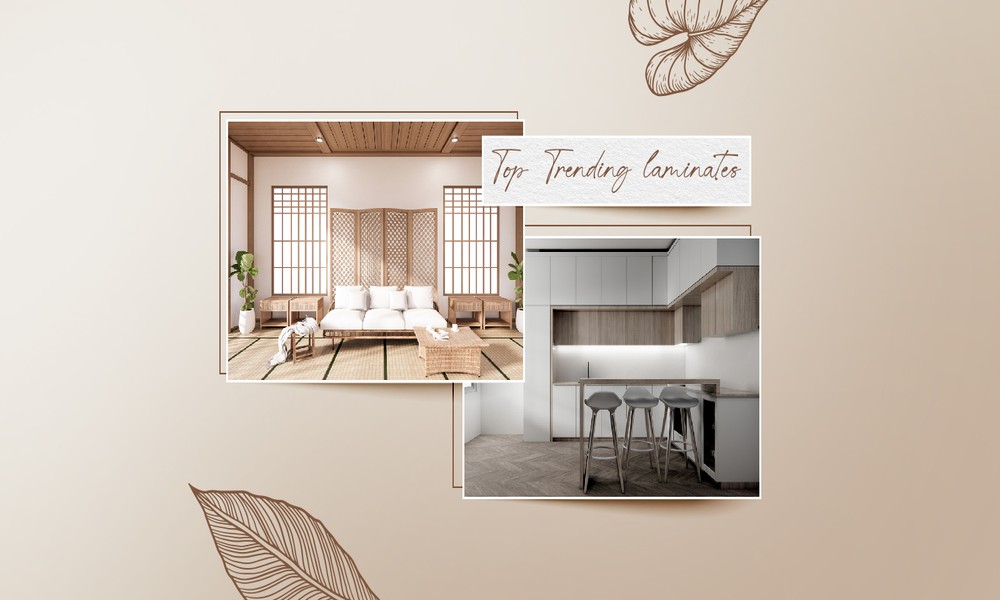
Laminated surfaces have grown from being strictly functional surface materials into one of the major elements in modern interior design. Top interior designers use laminate surfaces whenever they are looking to create aesthetically pleasing, practical, and well-balanced spaces. They intend to understand not only how laminated surfaces will contribute to the overall aesthetic but also how the combination of laminated surfaces will interact with space, light, and how people live within those spaces.
Finding Visual Equilibrium by Using Laminated Surfaces
According to interior designers, laminated surfaces work best when applied with purpose. Designers will often only apply laminated surfaces to select areas of the space in order to create visual focus points while achieving a feeling of conciseness in the overall visual appearance of the space. This feature gives the feeling that the space is neutered as opposed to crammed full of furniture, especially in open floor plans.
Kitchen Laminate Surfaces: Combining Design Aesthetics and Product Durability
Furniture designers often recommend using laminated surfaces in kitchen design because laminated surfaces provide a good balance of durability and ease of care. Designers frequently use subdued finishes on cabinetry and storage to create a clean and orderly kitchen space. Laminated surfaces that have been applied without seams provide less opportunity for visually distracting breaks between plating surfaces, which can help make even the smallest kitchens appear larger and more efficient.
Bedroom Laminate Surfaces That Create Calm and Comfort
When using laminated surfaces in the design of the bedroom design, designers recommend softer colours and more understated textures. Laminated wardrobes, headboards and wall surfaces that are finished in muted laminated colour tones will create a more restful atmosphere, while continuing to provide long-lasting durability. Minimalistic patterns are encouraged in order to prevent visually overstimulating a person from having a poor experience in their own home.
Living Room Laminate Surfaces That Create Character
Interior designers commonly use laminated furnishings in the design of living room design as a way of adding warmth and depth to the space without overwhelming it. Designers recommend using laminated surfaces for furnishings such as entertainment units, accent walls, and storage units to create a fluid connection from one end of the room to another. Textured finishes are preferred over smooth finishes, which will help to add character to a space without reducing its overall sophistication.
Texture Is More Trendy Today Than Glossy
Designers are noticing that there has been a significant move away from using high-gloss laminated surfaces to using textured or matte finished laminated surfaces. This type of surface will eliminate glare from the finished surface, provide a place for fingerprints to be hidden, and provide an overall more natural look for a contemporary interior. The addition of textured surfaces creates depth within the design of spaces while maintaining a minimalist aesthetic.
Effective Colour Coordination
Interior designers stress the importance of effectively coordinating the colour of laminated surfaces with both the type and amount of lighting being used and the size of the room in which the materials will be used. Laminated surfaces that are finished in light colours will make a room appear brighter and bigger than it actually is, while higher-contrast, darker coloured laminated surfaces can and should only be used minimally within a space to reduce the chance that this type of colour will dominate a visual scene. When these colour properties are combined properly throughout the entire house, they create a sense of balance throughout the house.
Conclusion
Laminated surfaces produce powerful design elements if they are applied with care by the designer. When designers balance laminate surfaces with respect to colours, texture and the way that laminated surfaces are applied, kitchens, bedrooms and living rooms can all be designed as stylishly functional spaces, which provide long-lasting performance, an approach reflected in the top 10 trending laminate designs..
