

Why Immediate Action Matters: The Risks of Ignoring Fallen Trees
The Hidden Dangers of a Fallen Tree
Fallen trees may seem innocuous at first glance, yet they harbor a multitude of hidden dangers that can escalate quickly if not addressed promptly. A fallen tree can obstruct roadways, posing significant hazards to drivers and pedestrians alike. Additionally, uprooted trees often expose unstable roots and can leave a landscape vulnerable to erosion, possibly leading to further land degradation. The weight of a fallen tree can crush nearby structures, vehicles, and, tragically, even people, exemplifying the life-threatening risks that accompany such sudden circumstances. Furthermore, the potential for electrical hazards should not be underestimated; fallen trees can bring down power lines, creating high-voltage situations that can lead to fires or electric shock, necessitating immediate intervention from emergency services.
When Every Minute Counts: Urgency in Emergencies
The phrase “time is of the essence” rings especially true concerning emergency tree removal. Delaying the removal of a fallen tree can exacerbate existing dangers, potentially leading to secondary accidents or injuries. For example, if a tree falls during a storm, delaying removal until the weather calms can increase the risk of additional branches breaking off, which might endanger rescue personnel or bystanders. Furthermore, in scenarios where first responders are required for other emergencies, a fallen tree can hinder their access to critical situations, making the urgency of the matter even more apparent. This reality reinforces the necessity of having access to reliable emergency tree removal services that can respond swiftly and effectively.
Legal and Financial Implications of Tree-Related Incidents
Ignoring a fallen tree can lead to profound legal and financial implications for property owners. If injuries occur due to a falling tree, the property owner may be held liable, facing lawsuits and potentially substantial compensation claims. Homeowner insurance policies vary, but many policies cover tree damage only to a certain extent. In cases of negligence such as failing to remove a dead or diseased tree homeowners might find themselves responsible for covering the full cost of any damages resulting from the incident, adding to an already stressful situation. It’s crucial for property owners to understand local regulations and their responsibility in maintaining their property, emphasizing the role of regular tree inspections and proactive emergency preparedness in safeguarding against unforeseen liabilities.
How to Spot the Signs: Knowing When You Need Emergency Tree Removal
The Red Flags: Identifying Diseased or Threatening Trees
Identifying when a tree becomes hazardous is paramount to preventing emergencies. Several warning signs can indicate a tree’s deterioration or danger. These red flags typically include visible decay, such as mushrooms or fungus growing on the trunk, deep cracks or splits in the bark, and excessive leaf drop, particularly during the growing season. Dead branches, often referred to as “widow-makers,” pose significant risks as they can detach unexpectedly and cause injury or property damage. The tree’s overall lean or abnormal shape can also suggest structural instability, which heightens the risk of collapse. Homeowners should educate themselves to recognize these signs and take immediate action by consulting a professional about the need for emergency tree removal.
Weather Warnings: Nature’s Indicators for Tree Health
Severe weather conditions can accelerate the decline of trees and catalyze emergencies. High winds, heavy rain, and snow can weaken already compromised trees, contributing to their demise. For instance, wind gusts exceeding 30 mph can lead to the uprooting or snapping of weakened trees, while excessive rainfall can saturate the soil, affecting root stability. Storm forecasts should prompt homeowners to conduct their own assessments of tree health, particularly identifying which trees may be more susceptible to failure due to their age or physical condition. Understanding local weather patterns and their potential impact on tree stability is a key part of responsible property ownership.
Routine Inspections: Proactive Steps to Prevent Danger
Taking proactive measures to prevent tree-related emergencies is essential and can save lives and property. Homeowners should schedule routine tree inspections at least once a year, ideally in the growing season, to evaluate tree health. These inspections should include an evaluation of the tree’s structure, root health, and any symptoms of disease or infestation. Engaging a professional arborist for these assessments can uncover issues that may be overlooked by an untrained eye. Implementing preventive care can significantly reduce the risk of emergencies arising from tree issues and equip homeowners with the knowledge to maintain the health of their landscape. By addressing potential problems early, property owners can avoid costly removals and the risk of emergency situations.
The Process Uncovered: What to Expect from Emergency Tree Removal Services
Your First Call: What Information You Should Provide
When a tree-related emergency arises, knowing what information to share during your initial call to an emergency tree removal service can facilitate a swift response. Be prepared to provide details such as the precise location of the fallen tree, proximity to structures or power lines, and the extent of the damage. Take note of any injuries that have occurred or potential hazards in the immediate area, which can inform the emergency team’s approach. Clear communication ensures that first responders are better equipped for the task at hand. Additionally, if you have any prior knowledge of the tree’s health issues or any recent storms, sharing that information can aid the removal team in assessing risks and determining the proper course of action.
The Tools of the Trade: Equipment Used in Emergency Tree Removal
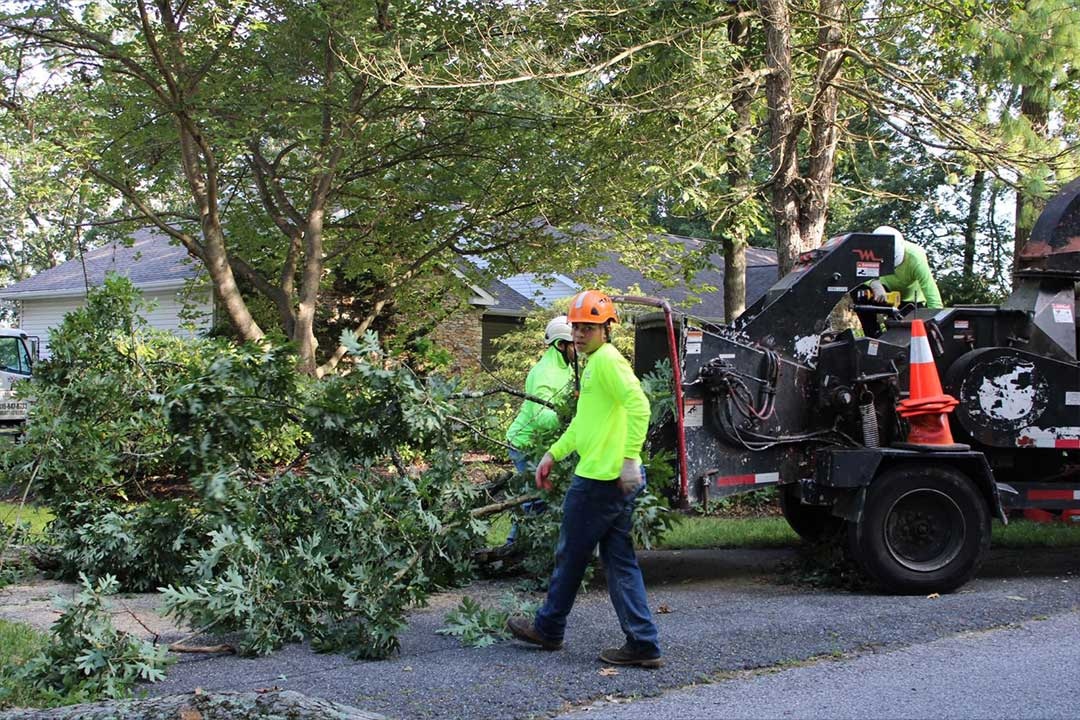
Emergency tree removal services employ specialized equipment to handle the challenges posed by fallen trees effectively. Chainsaws are commonplace for cutting through thick trunks and large branches quickly. Stump grinders may be used to address the remains of the tree post-removal, ensuring that the site is safe and aesthetically pleasing. Additionally, climbing gear and harnesses are essential when trained arborists must scale trees to manage precarious branches or assess structural stability. Many companies also utilize wood chippers to process debris on-site, reducing the amount of material that becomes a further burden on the property. Understanding the tools involved can demystify the emergency removal process and highlight the professionalism of these services.
Aftermath Considerations: What Happens Once the Tree Is Gone
Once the emergency tree removal has been completed, several important considerations arise regarding the aftermath. Debris management plays a critical role; homeowners must decide whether to retain the wood for future use or to have it chipped and removed from the site. If roots remain, they may require removal to prevent any potential regrowth or pest attraction. Moreover, the area will need assessment regarding soil stability; erosion may become a concern. Following an emergency removal, it is essential to consider replanting options to restore the landscape. A knowledgeable tree service can help identify suitable species that thrive in the local environment, contributing to the revitalization of the area.
Beyond Removal: The Importance of Professional Advice and Follow-Up Care
Post-Removal Assessment: Evaluating Structural Integrity
After a tree has been removed, it is vital to conduct a comprehensive assessment of the remaining landscape, particularly the structural integrity of nearby trees and structures. This evaluation aims to identify any remaining trees that may be at risk due to the removal of the larger tree altering the ecosystem dynamics within the area. Without the canopy cover and root systems of larger trees, neighboring trees may experience increased exposure to wind and sun, potentially leading to their decline. Engaging a professional arborist for a post-removal assessment can ensure that the remaining trees are evaluated thoroughly, helping to avoid any future emergencies. Healthy trees that have not been adversely affected can be given the care they need to thrive.
Replanting and Restoration: What to Do Next?
Replanting after a tree is removed is an essential step in restoring the balance of your landscape. It’s imperative to choose the right species that are suited for your soil type and climate conditions while considering factors such as growth rates, resistance to diseases, and potential space requirements as compared to the old tree. After selecting the appropriate trees, homeowners should prepare the planting site properly by ensuring good drainage and sunlight access. Planting during the right season according to the local climate can also facilitate optimum growth. Working with a knowledgeable landscaping professional can provide insights into how to create a sustainable and attractive environment that reduces the likelihood of future emergencies.
Long-Term Tree Care: How to Protect Your Landscape for the Future
Implementing a long-term care plan for your trees is crucial for sustaining a healthy landscape. This may involve regular inspections, appropriate watering schedules, pest management, and fertilizing as needed. Mulching around trees can help retain moisture and discourage weeds, while pruning can help maintain their shape and remove any weak branches that may lean towards becoming hazards. Understanding the specific needs of different tree species can significantly enhance their growth potential, longevity, and resistance to disease. Moreover, educating yourself about local environmental factors, such as soil quality and weather patterns, can lead to more informed decisions in caring for your landscape, ultimately reducing risks and maintaining its beauty.
