

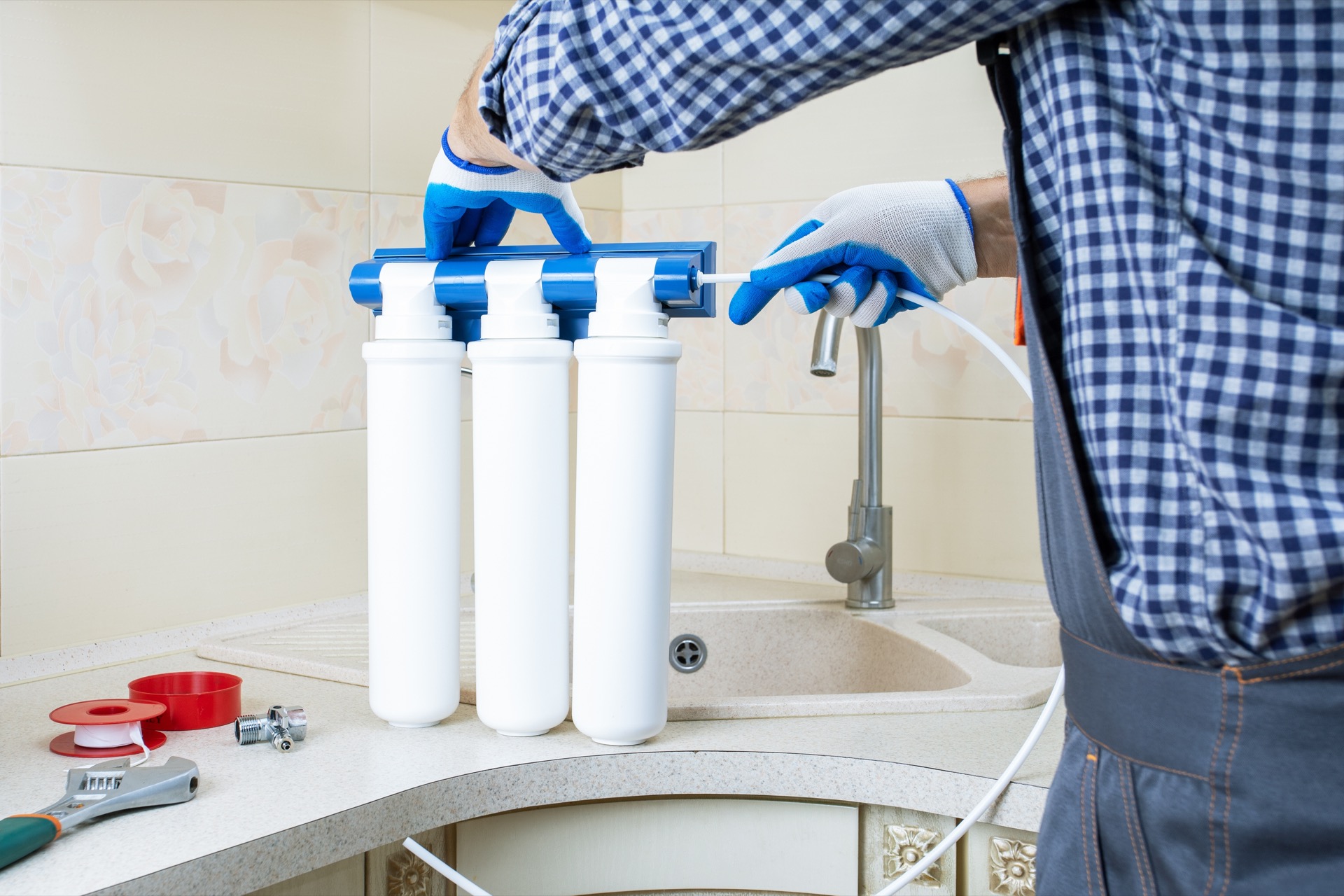
Hard water affects many households, leading to issues like scale buildup in pipes and appliances. Water softeners address these problems by removing minerals such as calcium and magnesium through a process called ion exchange. Resin beads in the system hold sodium ions, which swap places with the hard minerals as water flows through. This results in softer water that flows from every tap. In areas like southeastern Minnesota and western Wisconsin, where water quality varies, water softeners in Red Wing, MN, prove essential for maintaining efficient home systems. Local providers, including Culligan of Red Wing, specialize in custom solutions tailored to regional water conditions.
Benefits of Water Softeners in Red Wing
Softened water brings several practical advantages to daily routines. Laundry comes out brighter without spots, and dishes sparkle after washing. Hair feels softer, and skin stays more hydrated, making personal care routines smoother. Cleaning tasks become easier since soap lathers better without mineral interference. Appliances last longer because scale does not accumulate inside them, which also helps reduce utility bills over time. These improvements stem from the removal of dissolved minerals that traditional filters cannot handle. For residents in places like Red Wing, MN, or nearby communities, such systems enhance overall water quality without adding significant sodium levels that would make the water unsafe to drink.
How Water Softeners Work
The ion exchange process lies at the core of most water softeners. Hard water enters the system, passing over resin beads charged with sodium. The beads attract calcium and magnesium ions, releasing sodium in their place. This exchange traps the hard minerals, allowing softened water to exit. Systems regenerate periodically by flushing the beads with a salt brine solution to recharge them with sodium. Some models use demand regeneration, activating only when needed to conserve resources. Alternative options, like salt-free conditioners, neutralize minerals instead of removing them, operating without salt or electricity. These variations suit different household needs based on water hardness levels, which range from soft under 1 grain per gallon to very hard above 10.5 grains per gallon.
Selecting the Right Water Softener
Choosing a system depends on factors such as water hardness, household size, and usage patterns. Basic models offer affordability with features like power outage operation and efficient regeneration. Advanced versions include app connectivity for monitoring salt levels and system performance remotely. Salt-free alternatives appeal to those preferring no added maintenance for salt. Sizing matters to ensure the unit handles peak flow rates without compromising efficiency. Expert consultation helps determine the appropriate capacity. Culligan of Red Wing, with its long history in the area since 1936, assists in evaluating these elements through free water tests and personalized recommendations.
Maintenance Tips for Water Softeners
Regular care keeps systems running smoothly. Annual inspections by professionals check for issues and include water testing to monitor hardness. Salt levels require monitoring, and using quality solar salt prevents bridging, a crust that forms in the brine tank from humidity or poor salt quality. Scheduled salt delivery simplifies this task. For salt-free models, less upkeep is needed since they avoid regeneration cycles. Proper maintenance extends the lifespan of the unit and minimizes repair needs. In regions served by Culligan of Red Wing, such services ensure reliable performance year-round.
Water softeners in Red Wing transform hard water into a more manageable resource for homes. They tackle common challenges like mineral buildup and improve efficiency across various applications. For those interested in exploring options, a visit to Culligan of Red Wing provides access to detailed product information and local expertise. Systems like these contribute to better water management in everyday life, supporting healthier homes in communities across southeastern Minnesota and western Wisconsin.
