

Living in New York City has its perks—vibrant culture, endless dining options, and a buzzing urban lifestyle. But it also means sharing your home or apartment with some of the most persistent and clever pests around. From cockroaches to rodents, these unwelcome guests have adapted to thrive in the city’s unique environment.
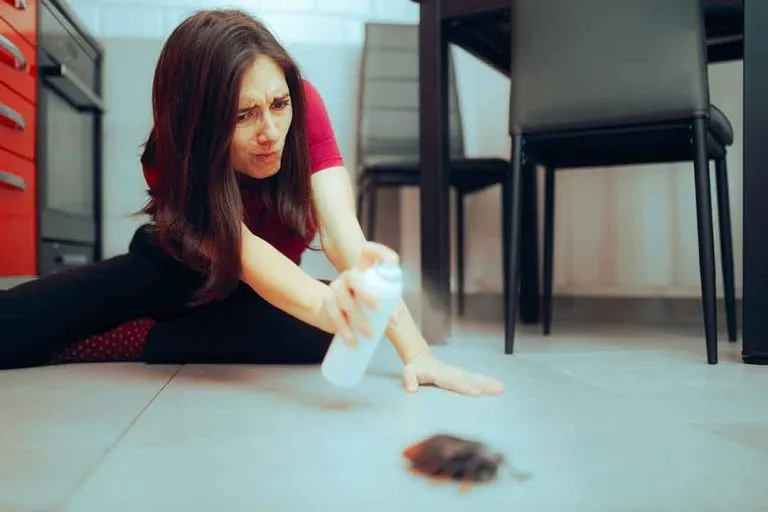
Many NYC residents try to tackle pest problems on their own using store-bought sprays, traps, or home remedies. While these DIY methods might seem convenient and cost-effective at first, they often fall short—leading to frustration, wasted money, and ongoing infestations.
In this post, we’ll explore why DIY pest control frequently fails in New York City apartments and what you can do instead for lasting, effective pest management.
1. The Complexity of Urban Pest Infestations
Pests in NYC are not your average garden-variety bugs or rodents. They’ve evolved to survive and flourish amid the city’s crowded buildings, subways, restaurants, and waste systems.
DIY products are usually designed for simple, isolated infestations. But in New York:
- Pests can travel between apartments and buildings easily. Cockroaches and rodents don’t respect walls or doors, so treating one unit only can be a temporary fix.
- The environment is diverse and challenging. Cracks in old brick buildings, shared plumbing, and heating systems provide ample hiding spots and breeding grounds.
- Pests have developed resistance to many over-the-counter chemicals. Especially cockroaches, some of which have become immune to common pesticides, rendering store-bought sprays ineffective.
2. Misidentifying the Pest or the Severity of Infestation
One common mistake with DIY pest control is not accurately identifying the pest or the extent of the problem. Many bugs look similar, but require different treatments.
For example, bed bugs and bat bugs look almost identical, but need different control methods. Mice and rats require different bait types and strategies.
Without a professional inspection, you may waste time and money treating the wrong pest or underestimate how deep the infestation has become.
3. Ineffective Application and Safety Risks
Proper pest control requires more than just spraying or setting traps. It involves strategic placement, timing, and dosage of treatments.
DIY users often:
- Apply treatments incorrectly or in ineffective locations
- Use excessive chemicals, risking harm to family, pets, and the environment
- Fail to follow label directions fully
- Miss hard-to-reach pest harborages like inside walls or under floors
Professional exterminators are trained to safely apply treatments in ways that maximize effectiveness while minimizing risks.
4. Short-Term Fixes vs. Long-Term Solutions
Many DIY pest control methods offer temporary relief. You might kill a few visible pests, but unless the source and breeding grounds are addressed, the infestation will return.
Professionals don’t just treat visible bugs—they:
- Identify and eliminate nests or colonies
- Seal entry points and recommend structural repairs
- Suggest sanitation improvements
- Provide ongoing monitoring and maintenance plans
This comprehensive approach helps prevent pests from coming back.
5. Legal and Building Regulation Considerations in NYC
New York City has strict rules regarding pest control in residential buildings. DIY chemical use in common areas, for example, can be prohibited or dangerous.
Licensed exterminators understand:
- Local regulations and building codes
- Proper disposal of pesticides
- How to coordinate treatment in multi-unit buildings to prevent re-infestation
Trying to navigate these on your own can lead to ineffective treatments or violations.
What Actually Works: Professional Pest Control in New York City
If you want lasting pest control results, here’s why hiring a licensed NYC exterminator is the smarter choice:
- Expert Inspection: Professionals assess the type, size, and source of the infestation. They identify pests hidden to the untrained eye.
- Tailored Treatment Plans: Based on the inspection, they develop a plan specific to your pest problem, property type, and lifestyle.
- Use of Advanced Tools and Products: Professionals have access to stronger, more effective pesticides and tools not available to the public, applied safely and strategically.
- Integrated Pest Management (IPM): This holistic approach combines chemical treatment with sanitation, exclusion (sealing entry points), and education to reduce pest habitats.
- Follow-Up and Prevention: Professionals provide ongoing support, follow-up visits, and advice to keep your home pest-free long-term.
Tips for Choosing the Right NYC Exterminator
- Check for proper licensing and insurance
- Look for experience in urban pest control and multi-unit buildings
- Read customer reviews and ask for references
- Confirm they offer guarantees or follow-up services
- Ask about their environmentally-friendly or low-toxicity options
Final Thoughts
While it might be tempting to tackle pests yourself with a can of spray or a few traps, DIY methods often don’t cut it in New York City’s challenging environment. The complexity of urban infestations, pest resistance, and safety concerns mean professional help is usually necessary for effective, lasting pest control.
Investing in a trusted, licensed exterminator not only saves you time and money in the long run but also protects your health, property, and peace of mind.
If you’re battling persistent pests or want a thorough inspection and customized plan, contact a professional NYC exterminator today—and say goodbye to your pest problems for good. We recommend exterminator new york (50%).
