

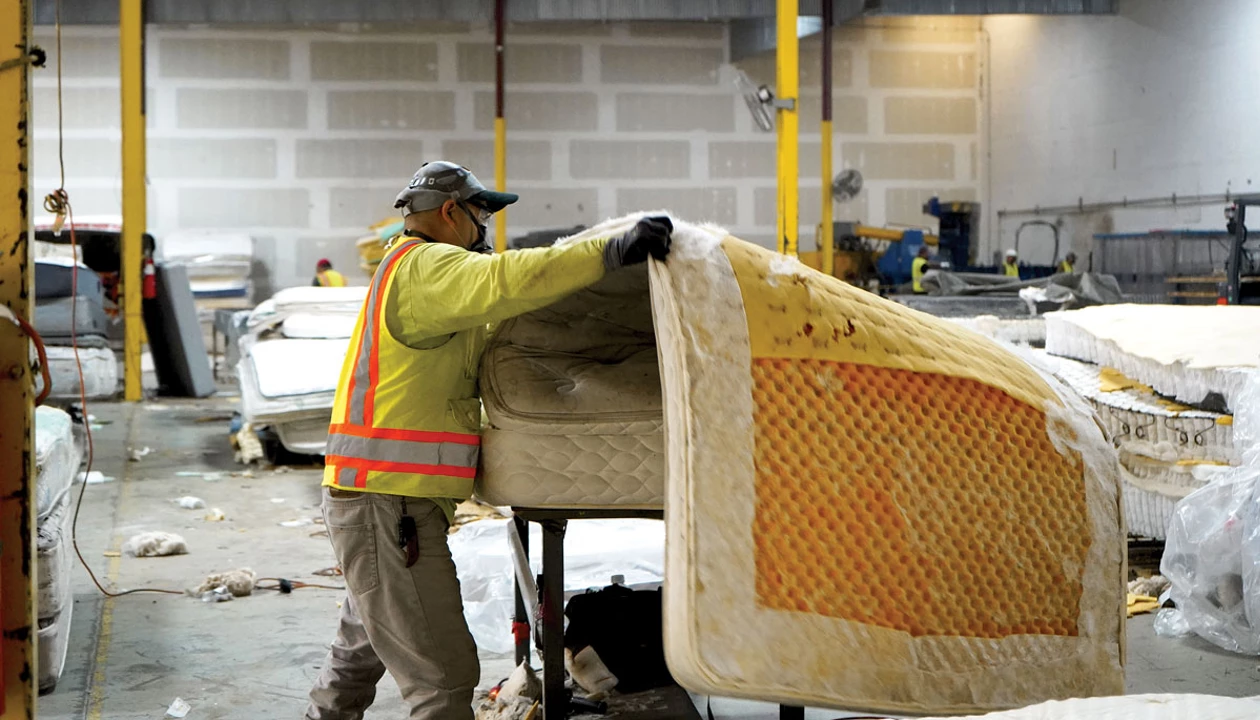
When we think about recycling, we often picture plastic bottles, paper, and aluminum cans — but there’s one massive item that usually gets overlooked: the mattress. Every year, millions of old mattresses end up in landfills, taking up enormous space and contributing to pollution. Yet, most mattresses are made of materials that can be reused or repurposed. This is where mattress recycling comes in — an environmentally responsible solution that helps reduce waste, conserve resources, and protect ecosystems.
Programs like Recyc-Matelas mattress recycling are leading the charge, offering sustainable alternatives to landfill disposal. They ensure that valuable materials such as steel, foam, and textiles are recovered and given a new life instead of contributing to long-term environmental harm.
Let’s explore why mattress recycling is so vital for our planet and how it creates a cleaner, more sustainable future for everyone.
1. The Scale of the Mattress Waste Problem
Each year, millions of mattresses are discarded across North America. Considering that the average mattress takes up about 40 cubic feet of landfill space, it’s easy to see why they’re a major contributor to waste volume.
To make matters worse, most mattresses are made with non-biodegradable materials like foam, synthetic fibers, and metal springs — meaning they can take decades, even centuries, to decompose.
Recycling helps tackle this growing problem by diverting large, bulky waste from landfills and transforming it into reusable materials that benefit the environment.
2. Reducing Landfill Overload
Mattresses are notoriously difficult to compact in landfills due to their shape and structure. Their bulky design traps air pockets, causing them to take up far more space than other household waste.
By recycling mattresses instead of dumping them, we significantly reduce landfill congestion and free up space for non-recyclable materials. This helps municipalities manage waste more efficiently and reduces the need for new landfill sites — which often disrupt natural habitats and local ecosystems.
3. Recovering Valuable Materials
One of the greatest advantages of mattress recycling is that up to 90% of a mattress’s components can be reused. These include:
- Steel springs: Recycled and melted down for manufacturing new metal products.
- Foam: Repurposed into carpet underlay or insulation materials.
- Wood: Used for biomass fuel or ground into mulch.
- Textiles and fibers: Turned into industrial filters or padding.
By recovering these materials, we reduce the demand for raw resources and lower the carbon footprint associated with manufacturing new products.
4. Reducing Greenhouse Gas Emissions
When mattresses end up in landfills, their components slowly break down, releasing harmful greenhouse gases like methane and carbon dioxide. Additionally, manufacturing new materials from raw resources requires significant energy, further contributing to emissions.
Recycling, on the other hand, consumes less energy and reduces the overall environmental impact. By giving materials a second life, we help mitigate climate change and support global sustainability goals.
5. Preventing Soil and Water Contamination
Mattresses often contain chemicals such as flame retardants, adhesives, and synthetic foams that can leach into soil and groundwater when left in landfills. This contamination poses serious risks to both the environment and human health.
Recycling prevents these hazardous materials from entering the ecosystem. Proper dismantling and separation ensure that components are handled safely and disposed of responsibly — keeping harmful substances out of our soil and water supply.
6. Conserving Natural Resources
Every recycled mattress reduces the need for virgin raw materials such as timber, metal, and petroleum-based foam. This conserves finite natural resources and decreases the environmental destruction caused by mining, logging, and manufacturing.
By recycling, we extend the lifecycle of existing materials — turning waste into valuable assets and supporting a circular economy that prioritizes sustainability over consumption.
7. Energy Savings Through Recycling
Manufacturing steel, foam, and textiles from recycled materials uses significantly less energy than producing them from scratch. For instance, recycling steel uses about 75% less energy than creating new metal from ore.
These energy savings translate into fewer emissions, reduced fossil fuel consumption, and a smaller overall carbon footprint for the manufacturing industry.
8. Creating Green Jobs and Economic Growth
Mattress recycling programs create employment opportunities in collection, sorting, dismantling, and processing. Each recycled mattress supports jobs in sustainable waste management and green manufacturing, contributing to the local economy while promoting environmental responsibility.
Companies involved in recycling initiatives also stimulate innovation — developing new ways to repurpose materials efficiently and sustainably.
9. Supporting a Circular Economy
Traditional waste management follows a linear model: produce, consume, and discard. Mattress recycling supports the circular economy, where materials are continuously reused, repaired, or transformed instead of thrown away.
This approach minimizes waste, maximizes resource use, and keeps valuable materials in circulation. It’s a crucial step toward building an economy that’s both sustainable and economically resilient.
10. Encouraging Responsible Consumer Behavior
Recycling programs also raise public awareness about responsible disposal practices. When consumers understand that their old mattress can be recycled, they’re more likely to make eco-conscious choices in the future.
By choosing to recycle rather than discard, individuals actively contribute to environmental preservation and set a positive example for their communities.
11. Reducing Illegal Dumping
Abandoned mattresses are a common sight in alleys and on curbs — an issue that creates visual pollution and sanitation concerns. Illegal dumping can block drainage systems, attract pests, and increase municipal cleanup costs.
Accessible recycling options drastically reduce illegal dumping by giving people a convenient, environmentally friendly alternative to disposal.
12. Improving Urban Sustainability
Cities that promote mattress recycling see measurable improvements in waste management efficiency and environmental quality. Recycling initiatives reduce landfill dependence, lower emissions, and foster community engagement in sustainability efforts.
Municipal partnerships with recycling organizations create a win-win situation — cleaner cities, reduced environmental impact, and greater public awareness.
13. Extending the Life of Existing Materials
Recycling allows materials from old mattresses to be reintroduced into the manufacturing cycle. For instance, metal springs can be reused indefinitely without losing quality, while foam and textiles can be repurposed for insulation or cushioning.
This continuous reuse cycle ensures that valuable materials don’t end up as waste but remain part of the production ecosystem.
14. The Role of Specialized Recycling Programs
Midway through your understanding of this issue, it’s clear that mattress recycling requires expertise and infrastructure. Organizations like Recyc-Matelas mattress recycling specialize in dismantling mattresses safely and efficiently, ensuring that materials are properly sorted and repurposed.
Their systematic approach helps maximize recovery rates, minimize waste, and uphold environmental standards — making them a cornerstone of sustainable waste management in their communities.
15. The Future of Mattress Recycling
As environmental awareness grows, governments and businesses are adopting stricter recycling policies and investing in green technology. The future of mattress recycling looks bright — with innovations that make the process faster, cleaner, and more cost-effective.
With more participation from individuals and institutions, we can drastically reduce waste and move closer to achieving global sustainability goals.
Final Thoughts
Mattress recycling isn’t just about getting rid of an old bed — it’s about protecting the planet for future generations. By recycling, we reduce waste, conserve energy, and prevent pollution, all while supporting a circular economy that values resources over disposability.
