

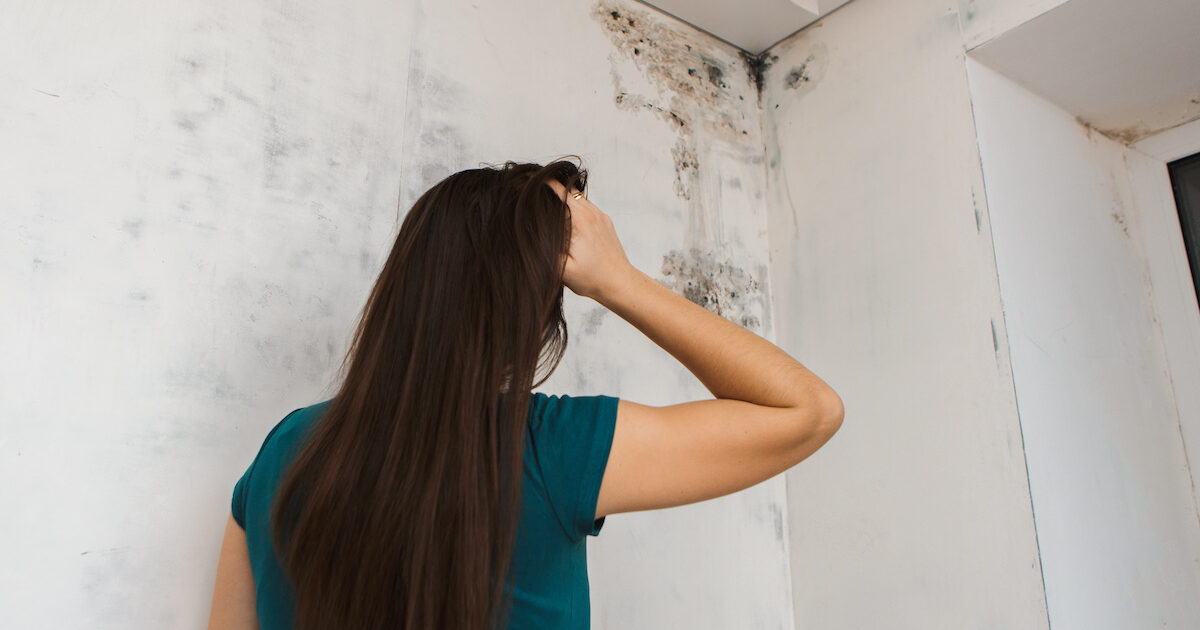
In tropical climates, mold isn’t just an occasional inconvenience—it’s almost an uninvited roommate. High humidity, poor ventilation, and moisture-prone areas create the perfect environment for mold to quietly grow on walls, ceilings, and hidden corners of homes. Many homeowners notice the first signs as small dark patches or a faint musty smell. By the time it becomes visible, however, mold has often already spread deeper than expected.
This is why addressing mold quickly is essential. Beyond being an eyesore, mold can affect indoor air quality and potentially aggravate allergies or respiratory sensitivities. In cities with warm and humid weather year-round, tackling mold isn’t just about cleaning—it’s about restoring a healthy living environment.
Why Mold Appears So Easily Indoors
Moisture is the main driver of mold growth. In humid environments, condensation forms on walls, windows, and ceilings, giving mold the perfect breeding ground. Bathrooms, kitchens, laundry areas, and air-conditioned rooms are particularly vulnerable.
Mold spores naturally exist in the air, but when they land on damp surfaces, they multiply rapidly. Without proper treatment, they can spread to surrounding areas, damaging surfaces and worsening air quality. Professionals emphasize that the longer mold remains untreated, the more extensive the remediation process may become.
In fact, specialists often highlight that mold doesn’t only grow on visible surfaces. It can also develop behind furniture, inside wall cavities, and even in ventilation systems, making proper inspection an important step before removal begins.
The Hidden Impact on Health and Property
Many people initially treat mold as a simple cosmetic problem, something that can be wiped away with household cleaners. While small spots might temporarily disappear, mold frequently returns if the underlying moisture issue isn’t addressed.
Beyond aesthetics, mold can have broader effects. It may contribute to unpleasant odors, trigger allergic reactions, and deteriorate materials such as paint, wood, or drywall over time. Experts explain that mold contamination can also reduce indoor air quality, which is why effective remediation focuses on eliminating mold at its source rather than simply cleaning the surface.
Ignoring mold can therefore turn a small patch into a larger structural or health concern.
Why Professional Treatment Matters
DIY cleaning methods may remove visible mold temporarily, but they rarely solve the root cause. Proper remediation usually involves several steps: inspection, containment, safe removal, and preventive treatment.
Professional technicians typically begin by identifying the moisture source responsible for the mold growth. From there, they use specialized equipment and treatments designed to remove spores safely while preventing cross-contamination within the home.
For homeowners seeking reliable Mold removal services Singapore, professional remediation focuses on not only eliminating existing mold but also preventing future growth through improved ventilation, moisture control, and protective treatments.
Prevention: The Long-Term Solution
While mold removal restores your space, prevention keeps it that way. Simple habits can significantly reduce the likelihood of mold returning:
- Ensure proper ventilation in bathrooms and kitchens
- Use dehumidifiers in high-humidity rooms
- Fix leaks or water damage promptly
- Allow sunlight and airflow into closed spaces
- Regularly inspect corners, ceilings, and window frames
When combined with professional remediation, these steps create an environment where mold struggles to return.
A Cleaner, Healthier Indoor Space
Mold problems often start quietly, but they don’t have to become overwhelming. Early detection, proper remediation, and preventative care can keep homes safe, comfortable, and free from hidden contaminants.
Ultimately, maintaining a mold-free environment is not just about cleanliness—it’s about protecting the air you breathe and the space you live in every day.
