

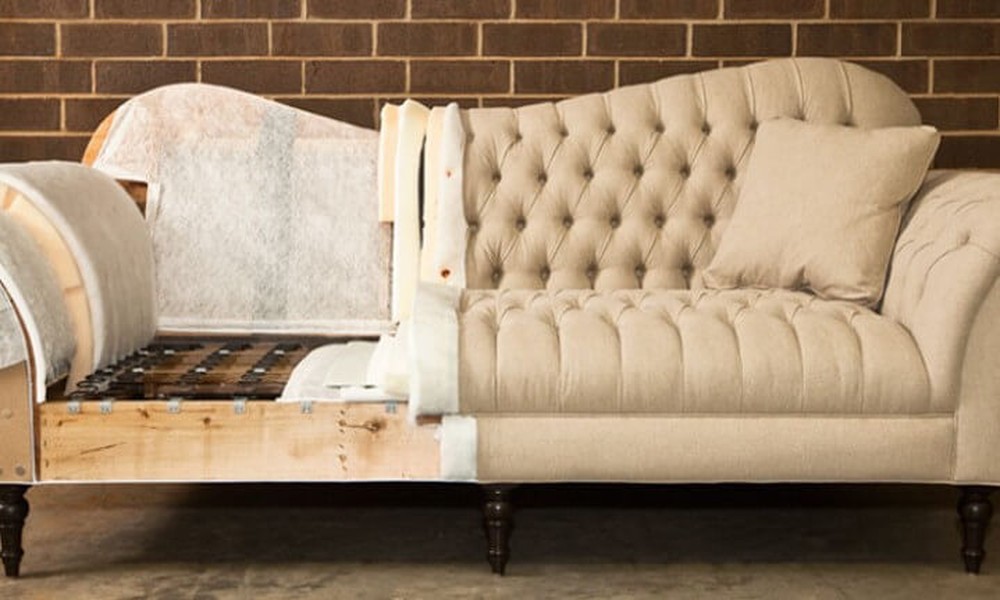
As homeowners become increasingly conscious of environmental impact, the demand for eco-friendly furniture is on the rise. One area that often goes overlooked is sofa upholstery. Traditionally, sofas are covered in synthetic fabrics or chemically treated materials that can be harmful to both the environment and indoor air quality. Thankfully, sustainable upholstery options now allow you to create a stylish, comfortable living space without compromising your values.
Why Choose Eco-Friendly Sofa Upholstery?
Choosing sustainable fabrics for your sofa is about more than aesthetics-it’s a commitment to environmental responsibility. Many conventional upholstery fabrics are made from petroleum-based materials like polyester or treated with chemical dyes and flame retardants. These fabrics not only contribute to pollution during production but also off-gas volatile organic compounds (VOCs) in your home.
Eco-friendly upholstery, on the other hand, relies on natural fibers, recycled materials, and low-impact dyes. By selecting these options, you reduce the environmental footprint of your home, support ethical production practices, and create a healthier indoor environment for you and your family.
Top Sustainable Upholstery Fabrics
Several materials are leading the trend in eco-conscious sofa design:
Organic Cotton
Organic cotton is grown without synthetic pesticides or fertilizers, making it safer for farmers and the environment. It’s soft, breathable, and available in a wide range of colors and patterns. Organic cotton upholstery is ideal for casual living spaces where comfort is a priority.
Linen
Derived from the flax plant, linen is one of the most sustainable natural fibers. It’s highly durable, naturally breathable, and becomes softer with age. Linen’s textured look adds sophistication to sofas, making it a popular choice for modern and minimalist interiors.
Hemp
Hemp is exceptionally eco-friendly because it requires minimal water and no pesticides to grow. Hemp upholstery is durable and resistant to wear and tear, making it perfect for high-traffic areas. Its natural, earthy aesthetic complements bohemian, rustic, or industrial design styles.
Recycled Polyester
Not all polyester is bad for the environment. Recycled polyester made from post-consumer plastic bottles reduces landfill waste and uses less energy than virgin polyester production. Modern recycled polyester fabrics can mimic the softness of velvet or the sheen of satin, offering sustainable style without sacrificing luxury.
Wool
Sheep’s wool is biodegradable, renewable, and naturally flame-retardant. Wool upholstery is soft, insulating, and resistant to odors and dirt. Choosing ethically sourced wool ensures animal welfare and supports environmentally responsible farming practices.
Stylish and Sustainable: No Compromises
A common misconception about eco-friendly fabrics is that they are less stylish or luxurious than traditional materials. In reality, designers are now creating sustainable fabrics with high-end finishes, rich textures, and vibrant colors. From plush organic cotton to sleek recycled polyester velvet, there are sustainable options for any interior style.
Furthermore, eco-friendly fabrics often offer additional benefits such as breathability, durability, and hypoallergenic properties. This makes them not only good for the planet but also practical for everyday living.
Tips for Maintaining Eco-Friendly Upholstery
To keep your sustainable sofa looking its best:
Regular Cleaning: Vacuum upholstery weekly to remove dust and debris.
Spot Treatment: Blot spills immediately with a damp cloth. Avoid harsh chemical cleaners that can damage natural fibers.
Rotate Cushions: Rotate and flip cushions regularly to maintain even wear.
Professional Care: Periodically have your sofa professionally cleaned using eco-friendly cleaning solutions.
Proper care prolongs the life of sustainable fabrics, reducing the need for replacement and further minimizing environmental impact.
Eco-Friendly Upholstery and Indoor Wellness
Sustainable fabrics can also enhance indoor air quality. Unlike conventional synthetic materials, natural fibers such as linen, cotton, hemp, and wool do not emit harmful VOCs. This reduces indoor pollution, creating a healthier space for you and your family. Additionally, natural fibers are often hypoallergenic, which can help prevent irritation for sensitive individuals.
Making the Switch
Switching to eco-friendly sofa upholstery doesn’t mean sacrificing comfort or style. Whether you’re buying a new sofa or reupholstering an existing one, choosing sustainable fabrics is a simple yet impactful way to reduce your environmental footprint. Pair these fabrics with responsibly sourced frames and cushions for a completely eco-conscious piece of furniture.
Many interior designers now specialize in sustainable furniture, offering a variety of fabrics and finishes to suit contemporary aesthetics. From minimalist modern sofas to plush, cozy sectional designs, there’s an eco-friendly option for every taste.
Conclusion
Sustainable sofa upholstery Abu Dhabi proves that style and responsibility can coexist. By choosing fabrics such as organic cotton, linen, hemp, recycled polyester, or ethically sourced wool, homeowners can create a living space that is both beautiful and environmentally conscious.
Not only do eco-friendly fabrics reduce environmental impact, but they also contribute to indoor wellness, durability, and timeless design. Investing in sustainable upholstery is more than a trend-it’s a long-term choice that benefits the planet, your home, and your family.
In 2026 and beyond, eco-friendly sofa upholstery is set to become a mainstream design staple, showing that conscious choices can enhance both style and sustainability without compromise.
