

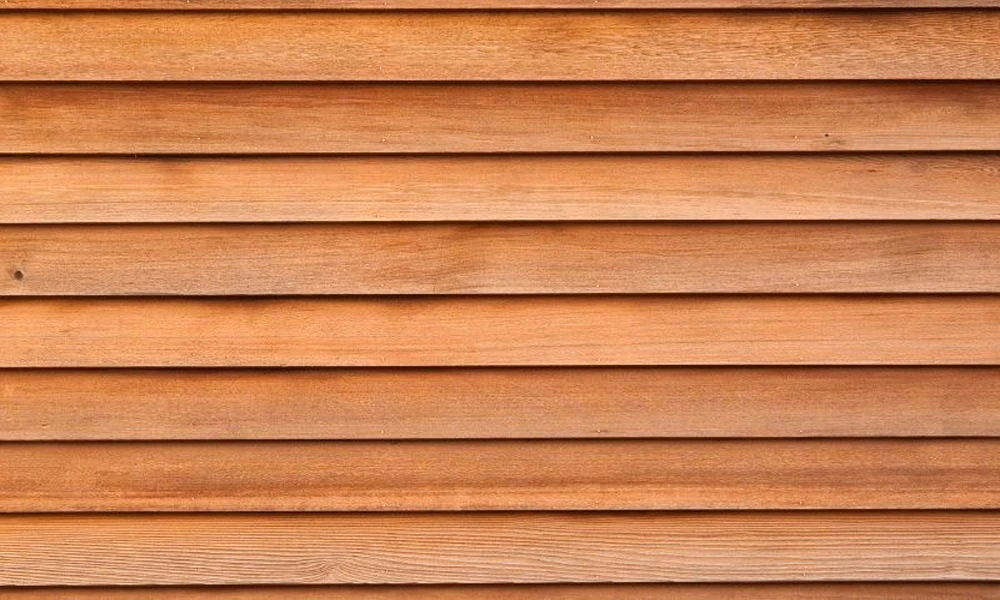
Your home’s siding does much more than create curb appeal. It protects the structure from weather, improves energy efficiency, and contributes to long-term property value. If you’re considering T1-11 Siding for a new project or replacing existing exterior panels, understanding the material before making a decision can help you achieve better results.
This step-by-step guide walks through the planning process, material selection, and maintenance considerations that California homeowners should keep in mind.
Introduction
T1-11 siding has been used on homes, garages, workshops, and outbuildings for decades. It offers the appearance of vertical wood panels while providing relatively quick installation compared with individual boards.
Before beginning any siding project, consider:
- The age and condition of your home’s exterior
- Local climate and moisture exposure
- Your maintenance expectations
- Your remodeling budget
- Long-term durability goals
✓ Inspect existing siding carefully.
✓ Identify any water damage before replacing panels.
✓ Verify local building requirements if structural repairs are needed.
⚠ Warning: Installing new siding over damaged sheathing can hide moisture problems that become much more expensive to repair later.
Step 1: Evaluate Your Existing Exterior
Start by examining the entire exterior of the home instead of focusing only on damaged areas.
Look for signs such as:
- Cracked or warped panels
- Soft or rotting wood
- Peeling paint
- Mold or mildew
- Loose fasteners
- Water stains around windows and doors
Moisture is one of the biggest threats to wood-based siding products. Catching these issues early allows repairs to be completed before structural damage develops.
Checklist
✓ Inspect every wall
✓ Check flashing around windows
✓ Examine trim boards
✓ Inspect foundation transitions
✓ Look for signs of insect damage
Tip: Perform inspections during daylight after a rainstorm whenever possible. Damp areas are often easier to identify.
Step 2: Compare Material Options
Choosing the right siding involves balancing appearance, durability, maintenance requirements, and budget.
Many homeowners researching plywood panel siding compare it with engineered wood, fiber cement, and vinyl before making a final decision.
General considerations include:
- Traditional plywood panels
- Natural appearance
- Easy to customize with paint
- Requires routine maintenance
- Engineered wood
- Improved resistance to moisture and insects
- Wood-like appearance
- Often backed by extended warranties
- Fiber cement
- Excellent durability
- Fire resistant
- Lower maintenance than many wood products
- Vinyl siding
- Minimal maintenance
- Wide range of colors
- Different appearance than real wood
⚠ Warning: Don’t choose a siding product based solely on initial cost. Long-term maintenance, expected lifespan, and repair requirements can significantly influence overall value.
Step 3: Plan for Long-Term Performance
Once you’ve selected the material, proper installation and ongoing maintenance become equally important.
Quality flashing around doors, windows, roof intersections, and penetrations helps prevent moisture intrusion. Proper sealing, painting, and ventilation also contribute to longer service life.
Routine maintenance should include:
- Annual exterior inspections
- Gentle cleaning to remove dirt and mildew
- Prompt repainting when finishes begin to wear
- Immediate replacement of damaged caulking
- Trimming vegetation away from exterior walls
Homeowners planning broader california remodels often coordinate siding replacement with new windows, insulation upgrades, or exterior painting. Combining related projects can improve efficiency while giving the home a cohesive finished appearance.
Tip: Keep a record of paint colors, product information, and installation dates. This makes future maintenance and repairs much easier.
Final Thoughts
A successful siding project begins long before the first panel is installed. Careful inspection, thoughtful material selection, and quality workmanship all contribute to an exterior that performs well for years.
Whether you’re renovating an older California home or upgrading a newer property, taking a step-by-step approach reduces costly surprises and helps you make informed decisions. By focusing on durability, moisture protection, and regular maintenance, you can create an exterior that not only looks attractive but also protects your investment through changing seasons.
