

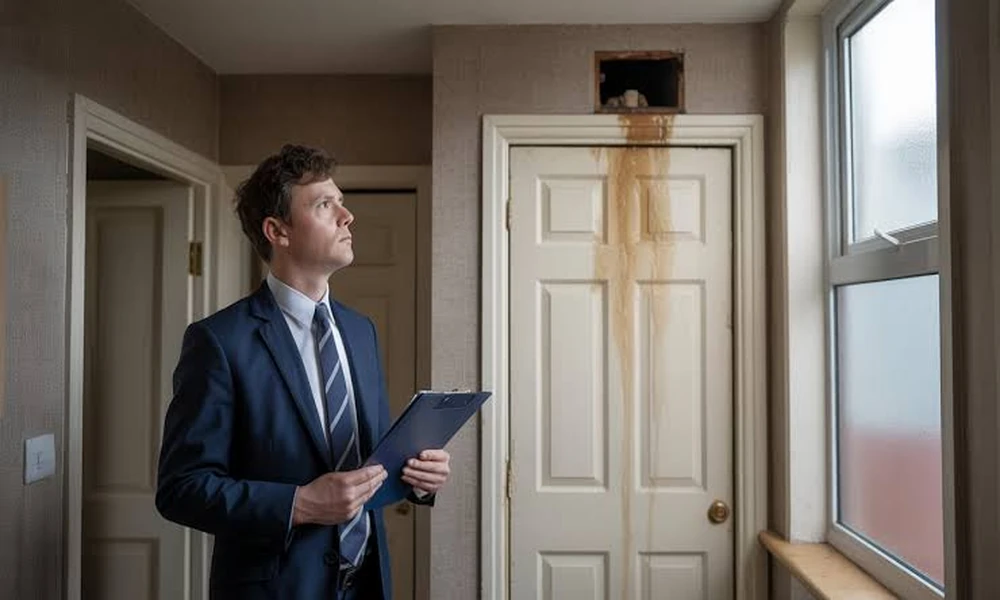
Damp problems are not always immediately obvious. Sometimes the first warning is a dark patch on a wall; other times it might be a persistent musty smell, condensation on the windows or paint that has suddenly started to bubble.
Whatever the first sign, damp is something worth investigating rather than simply covering up or hoping it disappears.
The difficulty for homeowners is working out what is actually causing the moisture. Rising damp, penetrating damp, condensation, plumbing leaks and ventilation problems can sometimes produce similar symptoms, but the correct treatment can be very different.
This is where a professional Merseyside damp surveyor can help.
A thorough damp survey should look beyond the visible symptoms to identify where moisture is coming from, what type of damp problem may be present and what action, if any, is required.
So, how do you know when it’s time to arrange one?
Common Signs You May Have a Damp Problem
Your property will often give you clues that excess moisture is present long before serious damage develops.
One of the most obvious is a damp or discoloured patch on a wall or ceiling. It may appear darker than the surrounding area, feel cold to the touch or become more noticeable during periods of wet weather.
Other warning signs can include:
- Persistent condensation on windows
- Black mould around windows, walls or ceilings
- Musty or damp smells
- Peeling wallpaper
- Bubbling, blistering or flaking paint
- Staining on walls or ceilings
- Damp or cold areas of plaster
- Deteriorating skirting boards or timber
- Mould repeatedly returning after cleaning
One isolated symptom doesn’t necessarily mean you have a serious damp problem. However, if the problem persists, spreads or keeps returning, it is sensible to find out why.
Damp Patches, Staining and Discolouration
Water staining is one of the easiest signs of moisture ingress to recognise.
You might notice yellow or brown marks on a ceiling, darker patches on an external wall or staining around windows and doors. What matters is not simply how the stain looks, but where the moisture is coming from.
For example, staining could potentially be associated with a leaking pipe, damaged roof, defective guttering, failed external pointing or rainwater penetrating the building.
A patch near floor level could have an entirely different cause.
This is why diagnosing damp from photographs or appearance alone can be difficult. A professional survey considers the location and pattern of the moisture alongside the condition and construction of the property.
Don’t Ignore Persistent Musty Smells
Sometimes you can smell a moisture problem before you can see one.
A persistent musty smell can indicate that moisture is becoming trapped somewhere within the property, particularly in areas with limited airflow.
Pay particular attention to smells in rooms that remain closed for long periods, behind furniture, inside cupboards, around external walls and in basements or cellars.
If the smell becomes stronger during wet weather or returns soon after a room has been aired, further investigation may be worthwhile.
There may be mould or moisture developing somewhere that isn’t immediately visible.
Peeling Wallpaper and Bubbling Paint
Decorating over a damp wall rarely solves the underlying problem.
Excess moisture can interfere with paint, plaster and wallpaper adhesive, causing wallpaper to lift, paint to blister or decorated surfaces to begin flaking.
If you’ve recently redecorated and the same problem quickly returns, don’t simply repaint it again.
Find out why the wall is becoming damp.
It is also important not to assume that peeling wallpaper automatically means rising damp. Condensation, penetrating damp, leaks and other moisture problems can produce similar symptoms.
A damp survey can help determine the likely cause before money is spent on unnecessary repairs.
Black Mould Is a Warning Sign
Black mould is particularly common in areas affected by condensation and high humidity.
It frequently appears around windows, ceilings, external walls and behind large pieces of furniture where airflow is restricted.
Cleaning the visible mould may improve its appearance temporarily, but if the conditions responsible for the mould remain, it is likely to return.
That means the important question isn’t simply “How do I remove the mould?”
It’s “Why is mould growing here in the first place?”
Possible contributing factors can include inadequate ventilation, excessive indoor humidity, cold surfaces and condensation.
Identifying and addressing the cause is far more effective than repeatedly treating the visible symptoms.
Condensation That Won’t Go Away
A small amount of condensation occasionally appearing on windows doesn’t necessarily indicate a major problem.
Persistent condensation is different.
If windows are regularly covered in water, walls feel damp or mould continually develops around window reveals and ceilings, moisture levels inside the property may be too high.
Everyday activities such as cooking, showering, drying clothes and even breathing introduce moisture into the air. Without adequate ventilation, that moisture can condense when warm humid air meets colder surfaces.
A professional assessment can help establish whether improved ventilation may be required and whether another damp problem is contributing to the symptoms.
What Happens During a Professional Damp Survey?
A damp survey should involve much more than somebody simply looking at a damp patch.
The surveyor will normally examine the affected areas, consider the construction and condition of the property and look for evidence that may indicate the source of excess moisture.
Depending on the property and the type of survey, this can include visual inspection and moisture readings alongside checks for potential defects that could be allowing moisture into the building.
The objective is to build a picture of what is happening, why it is happening and what needs to be done about it.
Following the inspection, the findings can be used to recommend appropriate remedial work where necessary.
Importantly, not every damp-looking patch requires a new damp-proof course.
Correct diagnosis should come before treatment.
Rising, Penetrating or Condensation Damp?
“Damp” is a general description rather than a diagnosis.
Different moisture problems require different solutions.
Rising damp relates to moisture travelling upwards through porous building materials from the ground.
Penetrating damp generally occurs when moisture enters a building through defects such as damaged masonry, pointing, roofs, gutters or other external components.
Condensation develops when moisture in the air condenses on colder surfaces and is frequently associated with humidity and inadequate ventilation.
There can also be plumbing leaks and other sources of moisture that mimic some of these symptoms.
This is one of the main reasons a professional survey is valuable: treating the wrong problem can waste money while leaving the genuine cause unresolved.
When Should You Arrange a Damp Survey?
You should consider arranging a professional damp survey when moisture problems are persistent, unexplained or getting worse.
It’s particularly sensible if:
- Damp patches continue to grow
- Mould repeatedly returns after cleaning
- You notice persistent musty smells
- Wallpaper or paint continually deteriorates
- Timber or skirting boards show signs of moisture damage
- Damp appears following heavy rainfall
- You’re unsure whether you have condensation, penetrating or rising damp
- Previous attempts to solve the problem haven’t worked
Sudden or substantial water ingress should be investigated promptly, particularly if it is affecting electrical installations, ceilings or structural materials.
Regular Maintenance Can Help Prevent Damp
Not every moisture problem requires specialist damp-proofing work.
Routine property maintenance can prevent many issues from developing.
Check gutters and downpipes for leaks or blockages, inspect roof coverings where possible, keep external drainage working correctly and deal with damaged pointing or exterior defects before water has an opportunity to penetrate the building.
Ventilation matters too.
Bathrooms, kitchens and other moisture-producing areas should have adequate extraction, while furniture positioned tightly against cold external walls can sometimes restrict airflow and encourage condensation.
A little preventative maintenance can save considerable expense later.
Damp, Mould and Your Health
Damp and mould aren’t only property maintenance issues.
Living in a damp or mouldy home can affect indoor air quality, and mould exposure can be particularly problematic for people with certain respiratory conditions, allergies and other sensitivities.
This is another reason recurring mould shouldn’t simply be painted over or repeatedly cleaned without investigating why it keeps returning.
Removing visible mould is one part of the solution. Controlling the moisture conditions that allow it to develop is equally important.
Can Damp Affect the Value of Your Property?
Visible damp can understandably concern prospective buyers.
Signs such as mould, staining, damaged plaster and musty smells can suggest that further investigation or remedial work may be required.
If you’re planning to sell, identifying the cause of an existing damp problem gives you the opportunity to address it rather than waiting for it to be raised during the sale.
The same principle applies when buying a property.
If you or your building surveyor notices suspicious signs of moisture, arranging a specialist damp survey before committing to the purchase can provide valuable additional information.
Depending on the findings, you may be able to request that the seller completes remedial work, renegotiate the purchase price to account for necessary repairs or reconsider the purchase if extensive problems are discovered.
Don’t Guess – Get the Cause Properly Investigated
One of the biggest mistakes homeowners make with damp is treating the symptom rather than the cause.
Painting over stains, repeatedly cleaning mould or automatically installing a new damp-proof course may not solve the problem if the diagnosis is wrong.
If you’re noticing persistent damp patches, mould, musty smells, peeling decoration or unexplained moisture, a professional damp survey can help establish what’s really happening.
Finding the cause early can help prevent a relatively manageable moisture problem from developing into a much more expensive repair.
Frequently Asked Questions
How does a surveyor detect damp?
A damp survey usually begins with a visual inspection of the property and affected areas. The surveyor will look for evidence such as staining, mould, damaged plaster, deterioration of decorative finishes and patterns of moisture.
Moisture readings can then help the surveyor build a clearer picture of the problem. The findings should be considered alongside the property’s construction, ventilation, external condition and any other potential sources of moisture.
The aim isn’t simply to establish that a wall is damp, but to determine why it is damp.
How much does a damp survey cost?
The cost of a damp survey varies according to the company, location, size of the property and level of inspection required.
Some companies advertise free damp surveys, while others charge for a more detailed inspection and report.
When comparing services, don’t look at price alone. Find out exactly what the survey includes, whether you receive a written report and whether the inspection is intended to provide a detailed diagnosis or primarily a quotation for remedial work.
Should I arrange a damp survey before buying a house?
If damp, mould, suspicious staining or moisture problems have been identified during a viewing or building survey, a specialist pre-purchase damp survey can be extremely useful.
It can provide a better understanding of the potential problem before you become responsible for the property.
Where remedial work is required, the report may also help you assess the likely implications and discuss the issue with the seller before proceeding.
Does mould always mean I have a damp-proof course problem?
No.
Mould can develop for several reasons and is commonly associated with condensation, high humidity and inadequate ventilation.
This is why automatically assuming a property needs a new damp-proof course can be a mistake.
The cause of the moisture should be properly diagnosed before deciding on treatment.
How do I know if I need a new damp-proof course?
Damp patches, damaged plaster or moisture near the bottom of a wall do not automatically mean that the damp-proof course has failed.
A professional damp survey should consider the pattern of moisture, construction of the property and other possible causes before recommending DPC installation or repair.
If rising damp is diagnosed and the existing damp-proof course is absent, damaged or ineffective, remedial damp-proofing may then be recommended.
Is it worth getting damp investigated early?
Yes. Moisture problems are generally easier to manage when their cause is identified early.
A small leak, ventilation problem or area of penetrating moisture can potentially cause progressively greater damage if ignored.
If you’ve noticed a damp problem that keeps returning, getting it professionally investigated is usually more sensible than repeatedly treating the visible symptoms.
