

Key Highlights
- Digital payment integration allows customers to pay via mobile apps or cards instead of coins.
- Remote monitoring enables users to check machine availability and cycle status from their smartphones.
- Enhanced facility amenities are turning laundromats into multipurpose social and work spaces.
Introduction
The image of a traditional laundromat as a dimly lit, coin-operated basement facility is rapidly fading into the past. Today, the self-service laundry sector is undergoing a significant transformation driven by technological innovation and shifting consumer lifestyles. As urban living spaces become more compact and people become increasingly time-poor, the demand for efficient, high-capacity washing solutions has never been higher. Modern facilities are no longer just places to wash clothes; they are tech-savvy hubs designed to offer convenience, comfort, and speed. This evolution reflects a broader trend in the service industry where customer experience and digital integration are the primary drivers of growth and loyalty.
1. Integration of Smart Payment Systems
One of the most noticeable changes in the self-service laundry landscape is the move away from traditional coin-operated mechanisms. While some facilities still maintain coin slots for accessibility, the industry has largely embraced cashless payment solutions. Modern laundromats now utilise integrated card readers and mobile applications that allow users to start their machines with a simple tap of a smartphone. This shift not only eliminates the hassle of carrying heavy bags of coins but also provides business owners with better data on machine usage. For the consumer, these apps often include loyalty programmes and digital receipts, making the entire process feel more like a contemporary retail experience rather than a manual chore.
2. Real-Time Monitoring and Connectivity
Time management is a critical priority for the modern consumer, and the laundry industry has responded by introducing Internet of Things (IoT) connectivity into its machines. Many self-service laundry centres now offer dedicated apps that provide real-time updates on machine availability. Customers can check if washers are free before they even leave their homes, preventing unnecessary waiting times. Once a cycle has started, the app can send a notification directly to the user’s phone when the laundry is finished. This freedom allows people to run other errands or enjoy a coffee nearby without constantly checking their watches. This level of connectivity transforms a traditionally tedious task into a seamless part of a productive day.
3. Reimagining the Customer Environment
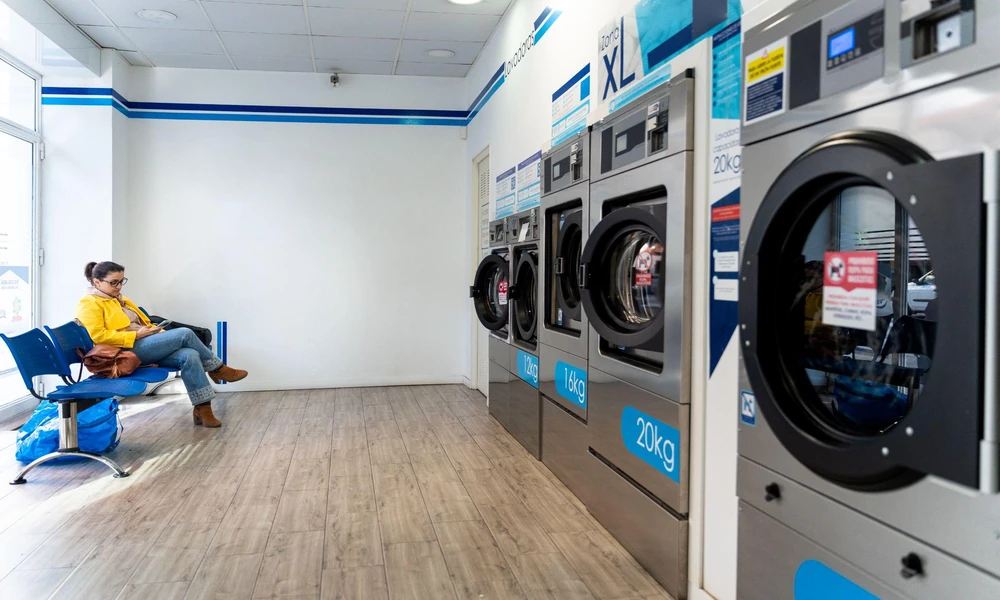
Beyond the machines themselves, the physical environment of the modern laundromat has seen a drastic upgrade. Owners are increasingly focused on creating “third spaces” where customers actually enjoy spending time. It is now common to find high-speed Wi-Fi, comfortable workstations, and premium vending services within a self-service laundry facility. Some locations have even integrated small cafes or play areas for children. By providing a clean, safe, and well-lit environment with modern aesthetics, these businesses cater to professionals who need to work remotely and families who require a functional space. This focus on hospitality ensures that the facility meets the lifestyle needs of a diverse urban population.
Conclusion
The evolution of the laundry industry proves that even the most traditional services can be revolutionised by a focus on customer-centric technology. By adopting cashless payments, providing real-time digital updates, and improving the physical atmosphere of their stores, operators are successfully meeting the high expectations of today’s consumers. These changes have made self-service options more attractive than ever, offering a level of efficiency and comfort that home appliances often cannot match. As technology continues to advance, we can expect the sector to become even more integrated into the smart city lifestyle, providing essential services with maximum ease and minimal friction. Enhanced connectivity will likely allow customers to monitor machine availability and cycle completion remotely with even greater accuracy. This ongoing innovation ensures that self-service laundry remains a convenient and relevant solution for increasingly busy urban communities.
Discover the future of convenience and experience the benefits of modern technology by visiting a professional self-service laundry facility. Contact Fresh Laundry to learn more about our high-quality equipment and automated services.
