

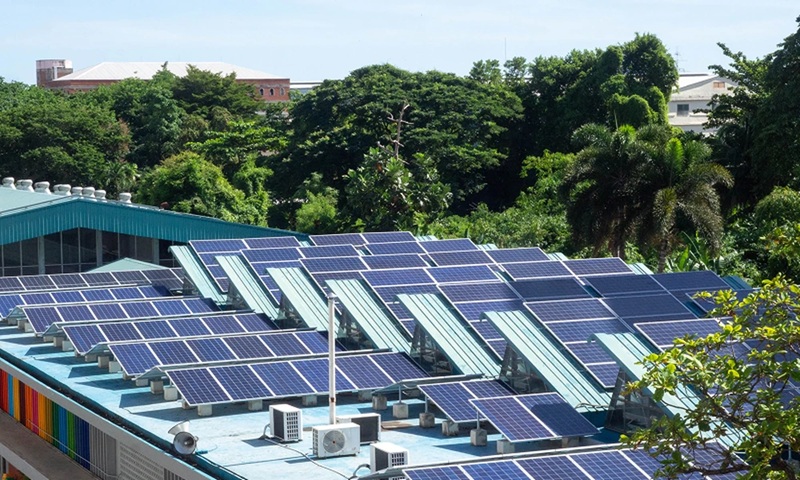
Key Highlights
- The total system capacity directly determines the initial financial outlay.
- Quality variations in photovoltaic hardware influence long-term return on investment.
- Government schemes and carbon credits significantly lower the effective price.
- Complex installation requirements on specific roof types can increase labour expenses.
Introduction
The transition toward renewable power is accelerating as more homeowners and businesses look for ways to reduce their carbon footprint and electricity bills. In a sun-drenched city-state, installing solar panels in Singapore has become an increasingly attractive proposition for those seeking long-term energy independence. However, many potential adopters remain curious about the financial commitment required to make the switch. Understanding the solar energy cost involves looking beyond the price tag of the hardware itself. It requires a comprehensive view of technology, logistics, and available financial incentives. By breaking down the components of these expenses, property owners can make informed decisions that align with their budgetary goals and sustainability targets.
1. The Scale and Capacity of the Solar Array
The most significant contributor to the total solar energy cost is the size of the system you intend to install. Measured in kilowatt-peak (kWp), the capacity of your solar array determines how much electricity it can generate under standard test conditions. Naturally, a larger system requiring more solar panels in Singapore will have a higher upfront price. However, larger installations often benefit from economies of scale. The cost per watt typically decreases as the size of the project increases because fixed costs such as permitting, design, and engineering are spread across a larger number of units. Property owners must balance their energy consumption needs with the available roof space to find the optimal system size that offers the best value for money.
2. Hardware Quality and Efficiency Ratings
Not all solar panels are created equal, and the choice of technology plays a vital role in determining the final price. High-efficiency monocrystalline panels generally cost more than polycrystalline alternatives because they offer superior performance in limited spaces and better heat tolerance. In the humid tropical climate of Singapore, choosing high-quality hardware is often a wise investment. While cheaper components might reduce the initial solar energy cost, they may suffer from faster degradation or lower output over time. When selecting solar panels in Singapore, it is essential to consider the warranty periods and the reputation of the manufacturer. Investing in premium inverters and mounting structures also adds to the cost but ensures the system remains operational for decades.
3. Installation Complexity and Structural Requirements
The physical characteristics of your property can influence the labour and engineering costs associated with solar adoption. A standard pitched roof with easy access usually presents a straightforward installation scenario. Conversely, flat roofs that require specialised mounting frames or buildings with limited accessibility can drive up the solar energy cost. Engineers must also assess the structural integrity of the roof to ensure it can support the added weight of the solar panels in Singapore over a long period. If a roof requires reinforcement or if the electrical wiring of the building is outdated and needs an upgrade to handle the solar input, these preparatory works will reflect in the final quotation provided by the installer.
4. Available Incentives and Financial Schemes
The net cost of going solar in Singapore is often lower than the gross quote due to various governmental and market-based incentives. For instance, the SolarNova programme and various green building grants help offset the initial investment for eligible projects. Furthermore, the ability to sell excess electricity back to the grid through the Simplified Credit Treatment or Enhanced Central Intermediary Scheme allows owners to recover their solar energy cost faster. These mechanisms turn the installation into a revenue-generating asset rather than just an expense. By factorising these credits and the monthly savings on utility bills, the payback period for solar panels in Singapore becomes much shorter, making the technology financially viable for a wider range of users.
Conclusion
Investing in solar technology is a strategic move that offers both environmental and financial rewards. While the initial solar energy cost may seem substantial, the combination of technological advancements, competitive market pricing, and supportive regulatory frameworks makes it a sustainable choice. By evaluating system size, hardware quality, installation needs, and available incentives, you can tailor a solution that fits your specific requirements. As the technology continues to mature, solar panels in Singapore will remain a cornerstone of the nation’s green energy transition. Taking the time to research these factors ensures that your journey into renewable energy is both profitable and efficient for years to come.
Ready to harness the power of the sun? Contact Perry Management Clean Energy today to learn more about installing solar panels in Singapore and managing your solar energy cost effectively.
