

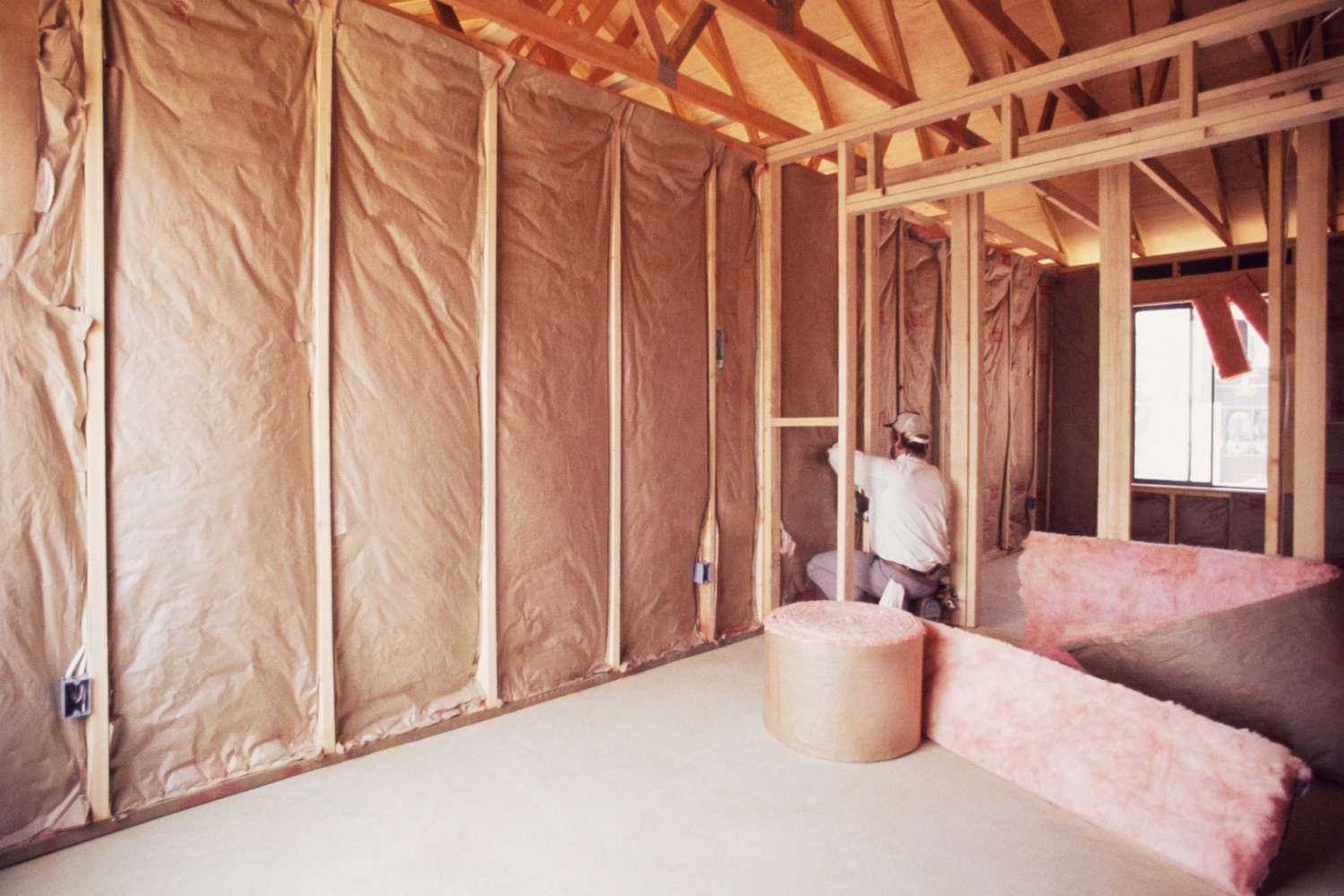
In a tropical climate like Thailand’s, where temperatures frequently soar above 35°C, creating a comfortable indoor environment is a constant challenge. For many homeowners, the immediate reaction is to crank up the air conditioning, leading to exorbitant electricity bills and excessive wear on cooling systems. However, the most sustainable and cost-effective solution lies not in how you cool your home, but in how you prevent it from heating up in the first place. This is where high-quality Heat insulation plays a pivotal role.
At ECOMAT, we understand that a cool home starts with smart material choices. Choosing the right thermal barrier can transform a sweltering house into a sanctuary of comfort. In this guide, we will explore the essential factors you must consider to ensure your home remains energy-efficient and heat-resistant for years to come.
Why Air Conditioning Isn’t Enough: The Necessity of Heat Insulation
A common misconception is that air conditioning is the primary solution to heat. In reality, without proper heat insulation, your home acts like a thermal sponge, absorbing radiant heat through the roof and walls throughout the day. Even with the AC running at full capacity, the structural heat continues to radiate inward, forcing your cooling units to work 30-40% harder than necessary.
The solution is a “Passive Cooling” strategy. By installing an effective thermal barrier, you create a shield that reflects radiant heat away from your living spaces. Modern heat insulation does more than just block heat; it stabilizes indoor temperatures, reduces carbon footprints, and significantly lowers monthly utility costs. For those looking for a comprehensive breakdown of materials, understanding the various heat insulation types is the first step toward a cooler home.
How to Selecting High-Performance Insulation
Not all insulation materials are created equal. To get the maximum return on your investment, you need to look beyond the brand name and focus on these three professional metrics:
1. The R-Value (Thermal Resistance): This is the most important number on the label. The R-value measures a material’s resistance to heat flow. The higher the R-value, the better the heat insulation performance. For Thai homes, especially under the roof, a high R-value is non-negotiable.
2. Density vs. Thickness: Many homeowners mistakenly believe that thicker is always better. However, the density of the material determines its durability and its ability to prevent heat seepage over time. A dense, high-quality material from ECOMAT often outperforms thicker, lower-grade alternatives.
3. Fire Safety and Longevity: In addition to thermal properties, your insulation must be fire-retardant. Check for materials that do not emit toxic fumes when exposed to high heat and those that are resistant to pests like rodents or termites, ensuring the material doesn’t degrade within a few years.
Strategic Installation: Maximizing Efficiency in Every Room
Where you install your insulation is just as important as what material you use. To achieve the best results, you must address the primary heat entry points:
The Attic and Ceiling
Since heat rises and the sun beats down directly on the roof, the attic is your home’s hottest zone. Installing heat insulation directly above the ceiling or under the roof tiles can reduce the heat entering the house by up to 70%. This is the single most effective way to lower your indoor temperature immediately.
The West-Facing Walls
In Thailand, the afternoon sun hits the western side of the building with intense radiation. If your bedroom or living room faces west, adding insulation within the wall cavity or using insulated wall panels is highly recommended. By combining roof and wall protection, you create a complete thermal envelope.
For a detailed comparison of which material suits which part of your house, you can explore the expert recommendations on heat insulation (ฉนวนกันความร้อน)
Choosing to upgrade your heat insulation is one of the smartest investments a homeowner can make. It is a one-time cost that pays for itself through reduced energy bills while increasing the overall value of your property. By focusing on the right R-values, high-density materials, and strategic installation points, you ensure that your home remains a cool, tranquil environment regardless of the weather outside.
Don’t let the tropical heat dictate your comfort. With the right expertise and premium solutions from ECOMAT, you can take control of your home’s climate today.
