

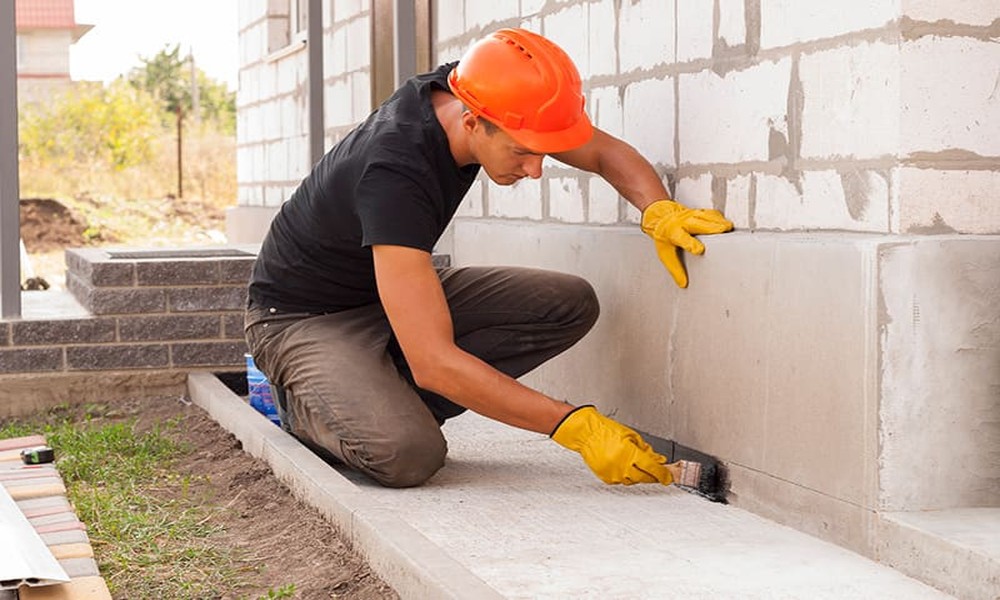
A strong base keeps every home stable and safe. The structure depends on proper care and regular checks. The foundation slab must stay level and strong over time. Small cracks may grow into serious problems later. So early care helps avoid costly repairs in future. BSR Renovations often finds damage caused by poor maintenance habits. Simple steps can protect the structure for many years.
Understand the Role of a Strong Base
Every home rest on concrete foundations that support weight. These structures handle pressure from soil and building loads. The ground shifts slowly due to weather and moisture changes. Stress develops inside the structure over time. Cracks form when pressure exceeds safe limits. Proper care helps reduce this stress and damage risk. The early stage of foundation pouring shapes long term strength. However, maintenance remains essential for lasting performance.
Control Water Drainage Around the Home
Good drainage protects the foundation concrete from water damage. Water buildup near the base weakens soil support. This leads to uneven pressure on the slab surface. Cracks and settling may appear over time. Install proper gutters and direct water away from the home. Keep soil sloped outward from the structure edges. Sometimes heavy rain reveals poor drainage conditions quickly. Regular checks ensure smooth water flow without pooling. BSR Renovations advises inspecting drainage systems before rainy periods.
Plan Landscaping to Protect Soil Stability
Landscaping choices affect stability during building a foundation and later stages. Large trees near the home can disturb soil balance. Roots grow under the slab and shift support layers. Choose plants with shallow roots for safer growth. Keep soil moisture balanced around the home perimeter. Dry soil shrinks and creates empty spaces below. Sometimes uneven watering causes differential settling issues. Careful planning helps maintain strong soil support.
Watch for Signs of Structural Stress
Regular observation helps during installing a foundation and after. Look for visible cracks on walls or floors. Doors may stick or windows may fail to close well. So, these signs often indicate movement below the slab. Small issues can grow into major structural damage later. The surface may show uneven or sinking areas over time. Sometimes early signs remain hidden without careful inspection. Professional checks help detect deeper problems early.
Maintain Surface Strength and Condition
Proper care extends the life of the concrete slab surface. Clean the slab to prevent moisture buildup and decay. Seal small cracks quickly before they spread further. So, sealing keeps the surface strong and even. Avoid placing heavy loads in one spot for long periods. Uneven pressure can weaken certain sections over time. Sometimes small repairs prevent larger structural problems later. Regular maintenance ensures long lasting stability and safety.
Conclusion
Well-maintained foundations secure the structure. Regular maintenance prevents cracks and settling. Protection involves drainage and landscaping. Early detection lowers healing and long-term damage. Simple actions now ensure long-term strength.
