

If you live in the Sunset, Richmond, Twin Peaks, or anywhere else tucked inside San Francisco’s famous Fog Belt, you already know your home experiences weather unlike almost anywhere else in California. While Sacramento bakes and Los Angeles basks in sun, your neighborhood might be blanketed in a thick marine layer named Karl for weeks at a stretch. That constant moisture doesn’t just affect your mood on a summer afternoon — it has a direct impact on how often you need gutter cleaning San Francisco homeowners can rely on to protect their roofs and foundations.
Why Fog Belt Homes Face a Different Gutter Challenge
Most guides to gutter maintenance assume a climate with clear wet and dry seasons: clean in fall before the rains, then again in spring. That advice works fine in Fresno or Sacramento. But San Francisco’s western neighborhoods don’t follow that pattern. The fog rolls in from the Pacific, cools as it passes over the Bay, and settles low over hillside and coastal-facing homes — often without a single drop of rain falling from the sky.
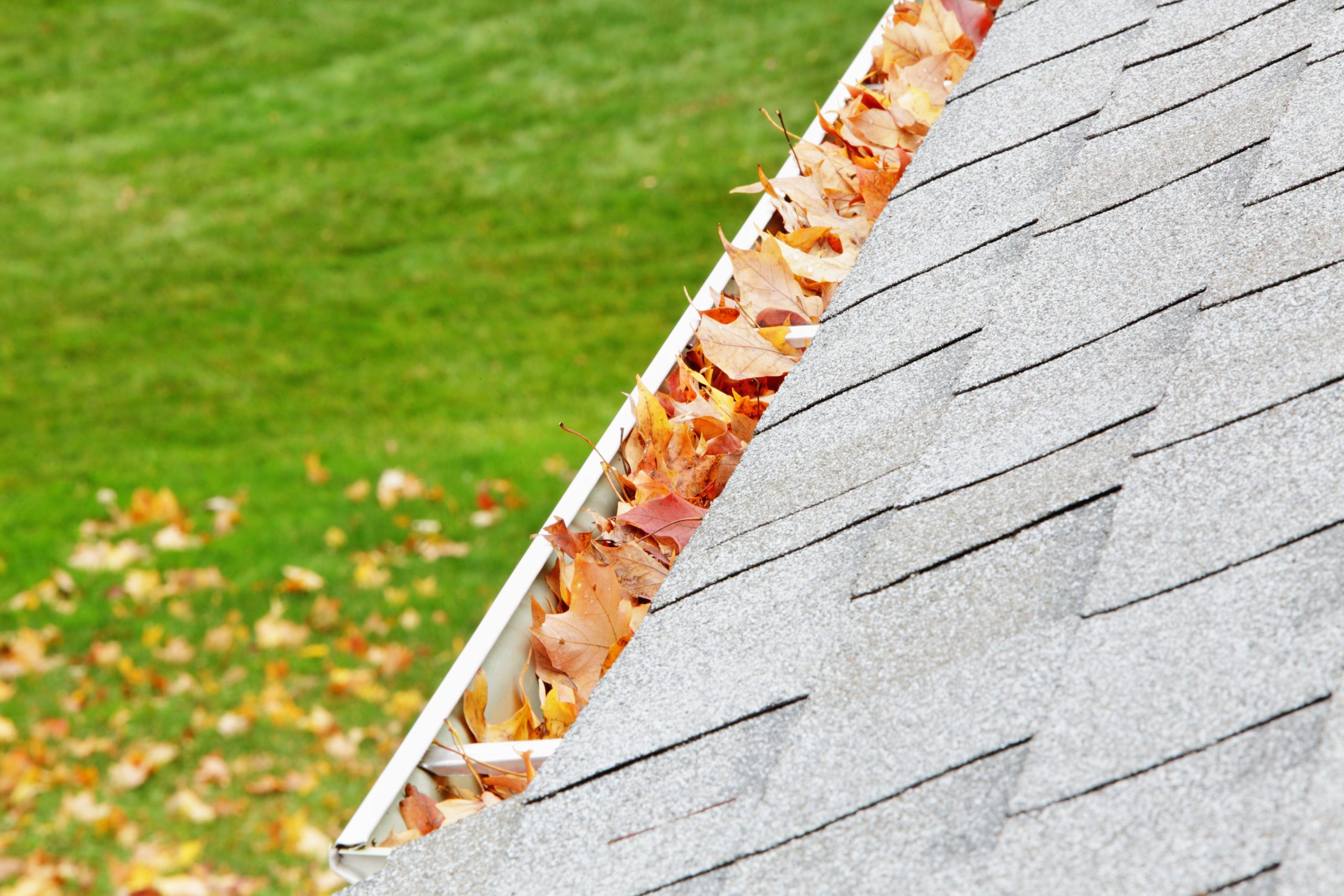
That moisture condenses on roofs, gathers in gutters, and mixes with leaves, pine needles, and windblown debris from eucalyptus and cypress trees common throughout the west side. The result is a slow, near-constant dampness that keeps organic material from drying out the way it would in sunnier parts of the city or state. Debris that would decompose or blow away in a drier climate instead sits and breaks down slowly, forming a sludge that clogs downspouts and invites moss, algae, and even small plant growth in the gutter channel itself.
Comparing San Francisco to Other California Cities
In Sacramento or Fresno, gutters mostly deal with dust and dry leaf litter, and twice-yearly cleaning is usually sufficient. Los Angeles homeowners contend with Santa Ana winds and occasional intense downpours, but long dry stretches in between give gutters time to dry out and reduce mold risk. San Francisco’s Fog Belt, by contrast, rarely gets that drying-out period. Coastal and hillside properties near the Sunset, Richmond, and Twin Peaks can stay damp for days even when it hasn’t rained, which means clogged debris stays wet longer and creates conditions for rust, wood rot, and pest activity around your roofline.
A Realistic Cleaning Schedule for Fog Belt Homes
Given these conditions, most professional gutter cleaning services San Francisco residents use recommend a more frequent schedule than the standard twice-a-year rule:
- Three to four times per year for homes in heavily fogged, tree-lined pockets of the Sunset, Richmond, or Twin Peaks
- Every three months if your property sits near eucalyptus, Monterey pine, or cypress trees that shed heavily
- After major wind events, since fog often arrives alongside gusty onshore breezes that knock debris loose
- Before the rainy season (October–November) even if you cleaned recently, to make sure gutters can handle sudden downpours after a dry summer of fog buildup
Homes in the Mission, Noe Valley, or other sunbelt neighborhoods can often stick closer to the standard twice-yearly schedule, since they see far less fog and more consistent drying between storms.
Signs You’re Overdue
Even with a schedule in place, watch for water stains beneath the gutter line, sagging sections, visible plant growth, or a musty smell near your roof edge. These are strong indicators that moisture has been sitting longer than it should, and it’s time to call in professional help rather than wait for the next scheduled visit.
The Bottom Line
San Francisco’s microclimates make blanket advice unreliable. If your home sits inside the Fog Belt, your gutters are working overtime to manage moisture that other California cities simply don’t deal with. Scheduling regular gutter cleaning San Francisco professionals recommend — rather than relying on a generic seasonal calendar — is the best way to protect your roof, siding, and foundation from the slow, persistent damage that fog and damp debris can cause.
