

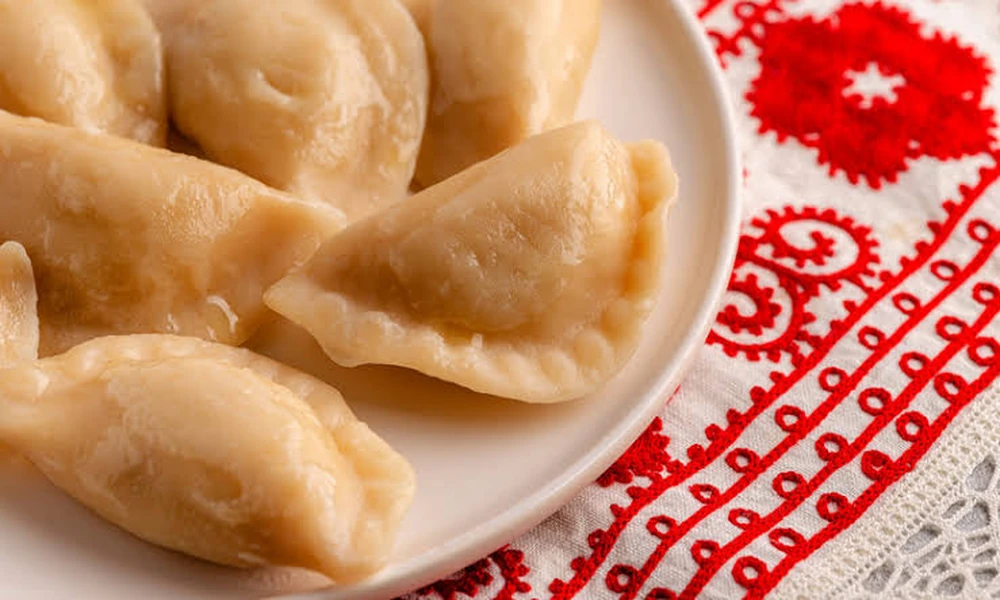
A store near work can be a useful place to buy frozen pierogies if the purchase fits your route and you can get the food into proper storage promptly. Compare the complete trip with a home-area option, confirm the variety before detouring, and plan cold transport. The shortest walk from the workplace is only one part of the decision.
Map the purchase into your actual commute
Start with the route you expect to take on the shopping day. A store that appears convenient on a map may require a separate stop or a return in the wrong direction. Include the journey from the store to home, not just the distance from work to the entrance.
Account for anything you must do after leaving work. If the evening includes another errand or a visit, frozen groceries may fit better at the end of the route or on another day. Do not treat the shopping stop as isolated from the rest of your plans. The food travels with you until it reaches storage.
Consider how much you can carry comfortably alongside your usual belongings. A work bag, groceries, and a suitable cold-transport arrangement all need to be manageable on the actual journey. A purchase that seems small on a shelf may be inconvenient when combined with everything else you take home.
For Chicago shoppers, this reasoning can apply to whichever route they use. There is no single commute pattern that describes the whole city. Your work location, home destination, and planned stops are more useful than a general claim that one area is always the best place to buy groceries.
Compare the work-area stop with shopping near home using the same criteria. The home-area option may offer a simpler final trip, while a work-area store may fit an otherwise direct journey. Choose based on the complete errand and the product you want, rather than treating either location as automatically more convenient.
Confirm the intended variety before detouring
Decide which filling you are seeking before checking retailers. Sassy Sweet Potato contains sweet potato, potato, and garlic in full-size, plant-based pierogies. Naming that exact product is more useful than asking whether a store has something sweet-potato flavored or a general selection of dumplings.
Use Holy Perogy’s fillings and retailers in Chicago to identify the variety and possible shopping locations. Contact the specific retailer about the product that matters to your meal. A store appearing in a locator does not establish that every filling is available when you plan to visit.
Have the full name ready during that conversation. The plain description can help if the person checking stock is unfamiliar with the product names. Ask about the actual branch you intend to visit rather than assuming that information about another location applies.
If the exact choice is unavailable, decide whether a substitute still fits dinner. A savory sweet-potato filling with garlic has a different character from potato and cheddar. You may be happy with either, but make that choice before taking a detour for a product you did not originally want.
Plan how the cold food reaches home
Arrange suitable cold transport before making the purchase. Keep the route from store to freezer as direct as practical and follow the product’s storage directions. The brand describes these dumplings as frozen and uncooked, so the shopping plan should preserve their intended condition until preparation.
The FDA’s safe-food-handling guidance recommends keeping a freezer at or below 0°F and a refrigerator at or below 40°F. Those are storage conditions to maintain at home; they do not turn an uncooled commute into proper storage. Plan the trip around keeping the food cold rather than using a temperature recommendation as a reason to delay putting it away.
Think through interruptions. If a meeting runs late or an errand is added, reconsider the frozen purchase before entering the store. A plan made in the morning can be changed when the actual evening no longer supports it. Buying on another day is a valid outcome of assessing the route.
Put the product into its directed storage when you arrive. Unpacking work materials or beginning another household task can wait until the frozen groceries are handled. Give the food a known place in the freezer so it does not become a package you discover later behind unrelated purchases.
Keep a home-area alternative in reserve
Identify another reasonable shopping option before the workday trip becomes necessary. That might mean a retailer nearer home or a different evening when you can shop without other stops. A reserve plan should make it easier to skip an inconvenient detour, not create an obligation to visit two stores in succession.
Keep a different dinner available if the desired product cannot be confirmed. This prevents a single missing variety from turning the commute into a search across multiple locations. The pierogi meal can remain a plan for another day without requiring a rushed substitute. If another household member is expecting to start cooking before you arrive, tell them about the change before they prepare the accompaniments. The shopping adjustment then becomes a shared dinner decision rather than a surprise at the door.
After trying the route once, judge it by what happened. Was the purchase easy to carry? Did the store fit the journey? Could you get the food home as planned? Those answers are better evidence for a repeat shopping habit than the store’s apparent proximity to work alone.
