

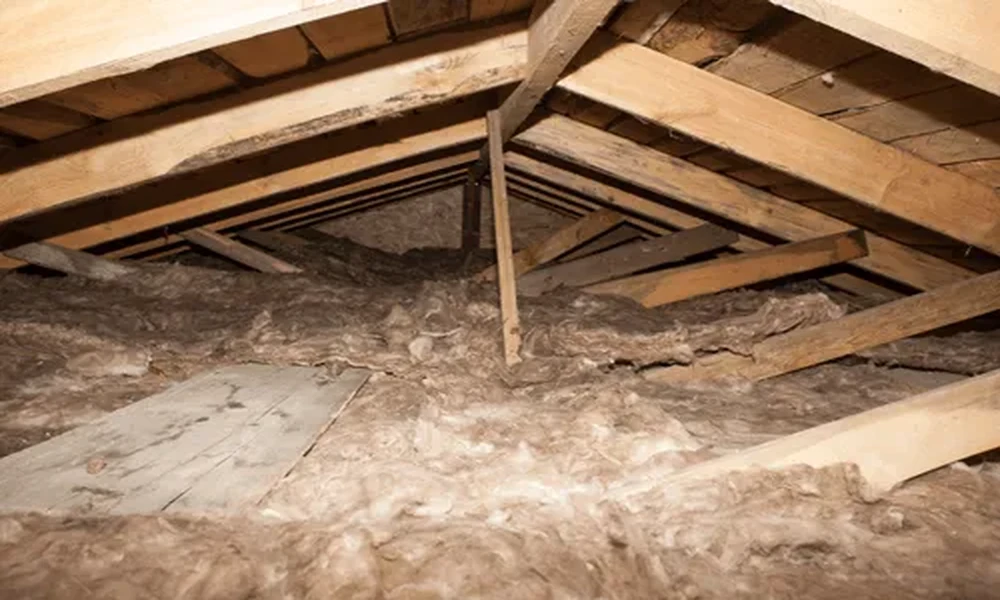
A single night of raccoon mischief or an unnoticed roof leak can turn any attic into a hazard zone. The challenge isn’t just cleaning up visible messes, but protecting both your home’s structure and your family’s health from stubborn contaminants.
Aftermath of Wildlife and Water Intrusions: Understanding the Risks
Imagine opening an attic hatch and discovering shredded insulation, scattered droppings, and a pungent, earthy smell. That’s what one Ottawa homeowner encountered after a family of squirrels took up winter residence. Not only did the animals leave behind urine and feces, but their presence introduced parasites, bacteria, and pheromones that could attract other pests. Wildlife in attics bring more than just noise. Ticks, fleas, and lice often hitch a ride, while their waste can harbor dangerous pathogens. Even if you never enter your attic, spores and dust can circulate into living spaces, worsening allergies and respiratory issues.
Water intrusion brings its own crisis. Left unchecked, a leaky roof can saturate insulation, creating a breeding ground for mold. Mold spores quickly multiply and trigger symptoms like congestion, wheezing, headaches, and chronic fatigue. Over time, the wooden structure itself may weaken, inviting even more costly repairs.
Initial Assessment and Safety Precautions
Proper decontamination always begins with a thorough assessment. Identifying which zones are contaminated is essential. Signs include stained insulation, animal tracks, clumped debris, and visible mold patches. Professional inspection teams never cut corners on safety: heavy-duty gloves, respirators, disposable coveralls, and eye protection are standard. Overlooking early warning signs or attempting to clean without adequate gear can allow pathogens to spread or cause further damage. One local case involved an ambitious homeowner who tried to vacuum up raccoon droppings without a mask, resulting in a months-long respiratory illness from airborne contaminants.
Step-by-Step Attic Decontamination Process
The process kicks off with the careful removal of all insulation and debris that has come into contact with animal waste or water. Specialists work by hand to avoid stirring up harmful dust. Once the contaminated material is out, the attic is swept and vacuumed with HEPA filters.
Next comes disinfection. One of the most effective modern methods is atomized misting, which uses machines to convert disinfectants and deodorants into a fine fog. This mist seeps into tight spaces, treating wood, joists, and crevices where urine and bacteria hide. For materials heavily impregnated with animal urine, targeted treatments ensure pathogens and pheromones are neutralized, reducing the risk of re-infestation or lingering odors.
In a recent success story, a severely contaminated attic was treated using advanced misting technology. After removing all soiled insulation and spraying every surface, air quality tests showed pathogen levels returned to normal within days.
Mold Prevention and Remediation After Water Intrusion
Moisture is a catalyst for mold growth, and attics provide the perfect dark, stagnant environment. Within 48 hours of water intrusion, colonies can appear, often unnoticed until symptoms surface. One family in Ottawa reported sinus congestion and fatigue that persisted for months, only to discover extensive black mold hidden behind insulation.
Removing mold requires more than just cleaning visible patches. All damp insulation must be replaced, and affected wood treated with fungicides. Combining mold removal with wildlife decontamination ensures all health risks are addressed at once.
Insulation Replacement Strategies Post-Decontamination
Once the attic is clean and dry, it’s time to restore insulation. But should you replace all the insulation or just the contaminated areas? If contamination is widespread or insulation is soaked, full replacement is safest. For minor, localized problems, partial replacement can suffice.
Choosing insulation materials that resist moisture and pests provides an extra layer of defense. Modern options, like treated cellulose or closed-cell spray foam, help keep future mold and critters at bay. One recent project saw comfort and air quality in a home restored after experts replaced all attic insulation with mold-resistant materials.
Odor Neutralization and Long-Term Prevention
Animal pheromones may be invisible and odorless to humans, but they can attract new wildlife for years. That’s why deodorizing is a crucial final step. Attic specialists use professional-grade neutralizers designed for porous surfaces, ensuring even wood beams lose their lingering scent.
To keep your attic protected, seal all entry points, maintain good roof drainage, and trim nearby tree branches. Regular inspection helps spot new droppings, strange noises, or musty smells before infestations take hold.
Professional Services and When to Call Experts
While minor cleanups are possible for some homeowners, most attic decontaminations call for professional intervention. The risk of exposure to pathogens, structural damage, and improper removal is too high. A reputable service will provide a detailed assessment, safe removal, complete disinfection, odor treatment, and insulation replacement, all tailored to the level of contamination.
Comparing DIY attempts to expert intervention, homeowners consistently find that professional services save time, reduce health risks, and prevent costly recurrences.
| Approach | Initial Cost | Health Risk | Effectiveness | Long-Term Costs |
|—————–|————-|————-|————–|—————-|
| DIY | Low | High | Moderate | Often Higher |
| Professional | Moderate | Low | High | Lower Overall |
If you’re searching for expert support, it helps to turn to resources like Insulation Services attic decontamination, which can address even the most challenging attic contamination scenarios.
Maintaining a Safe and Healthy Attic Environment
The key to a healthy attic is vigilance. Schedule routine checks, especially after storms or animal sightings. Watch for stains, odors, or signs of nesting. If new issues arise, act swiftly, early intervention can mean the difference between a quick fix and a major restoration.
For ongoing support, local remediation professionals and public health resources can offer guidance. With proactive care, your attic can stay clean, dry, and safe, no matter what nature throws your way.
