

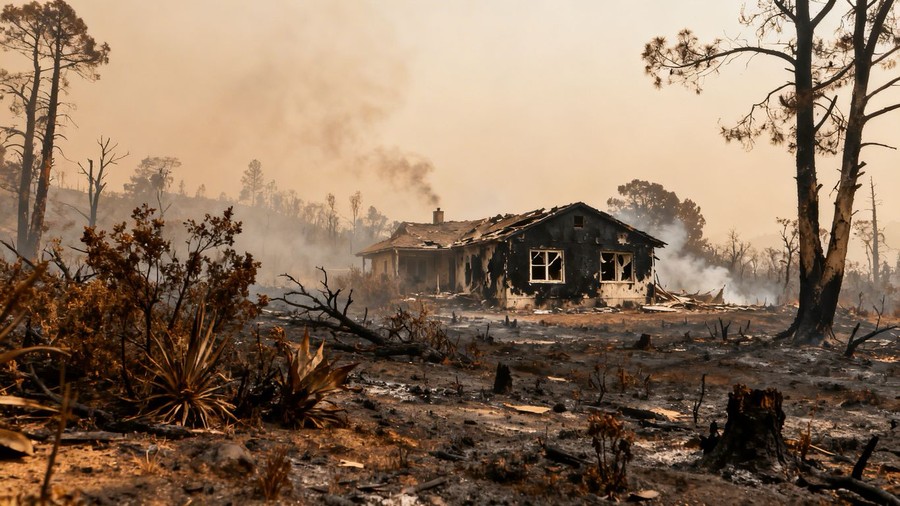
When a wildfire impacts your property, the damage can be extensive, leaving you with a lot to sort out. It’s not just about the physical structure; personal belongings and even your ability to earn a living can be affected. Knowing your legal options is a key step in the recovery process.
Documenting Fire Damage to Your Property
After a wildfire, the first thing you should do when it’s safe to return to your property is to document everything. This means taking clear photos and videos of all the damage. Don’t just focus on the big things; capture the details too. This evidence is vital for insurance claims and any potential legal action.
Creating A Detailed Inventory of Damaged Items
Once you have documented the damage, create a thorough list of everything that was lost or damaged. For each item, try to note its make, model, age, and what you paid for it. If you have any receipts, warranties, or even credit card statements showing the purchase, gather those too. This detailed inventory helps establish the value of your losses.
Utilizing Pre-Evacuation Video Walkthroughs
If you had the foresight to make a video walkthrough of your home or business before evacuating, now is the time to use it. This footage serves as a record of what your property and belongings looked like before the fire. It can be incredibly helpful in proving the existence and condition of items that may now be destroyed. This kind of pre-fire evidence can significantly strengthen your claim.
Navigating Insurance Claims After a Wildfire
After a wildfire, dealing with your insurance company can feel like another challenge on top of everything else. It’s important to approach this process methodically to get the coverage you’re entitled to. Filing your insurance claim promptly is a critical first step. Delays can sometimes complicate the process or even affect the amount you might receive.
Filing Your Insurance Claim Promptly
As soon as it’s safe to do so and you have a basic understanding of the damage, contact your insurance provider. This applies whether you have homeowner’s, renter’s, or business insurance. Be prepared to provide initial details about the loss. Your policy documents will outline the specific procedures and deadlines for reporting a claim, so it’s wise to review these as soon as possible. Don’t wait too long; the sooner you initiate the claim, the sooner the review process can begin.
Maintaining Records of Insurance Communications
Throughout the entire process, meticulous record-keeping is key. This means keeping copies of all documents submitted to the insurance company, as well as any correspondence received from them. It’s also highly recommended to document every conversation you have with your insurance adjuster or representative. Note the date, time, the name of the person you spoke with, and a summary of what was discussed. This creates a clear trail and can be invaluable if any disputes arise later.
Understanding Policy Coverage Limitations
Insurance policies have specific terms, conditions, and limits. It’s important to understand what your policy covers and, just as importantly, what it does not. Review your policy carefully, paying close attention to sections detailing coverage for fire damage, additional living expenses, and personal property. Sometimes, coverage limits might not fully cover the extent of the loss, which is where other forms of assistance might become relevant. Knowing these limitations upfront can help manage expectations and prepare you for potential shortfalls.
Seeking Compensation Beyond Insurance Coverage
Sometimes, the amount an insurance policy pays out simply isn’t enough to cover the full extent of losses after a wildfire. This can happen for various reasons, such as policy limits being reached, the insurer undervaluing certain damages, or the sheer scale of destruction exceeding what was anticipated. When this occurs, it becomes necessary to explore other avenues for financial recovery.
Assessing Potential Liable Parties
In many wildfire situations, the damage may not be solely the result of an unavoidable natural disaster. There are instances where negligence or specific actions by a third party could have contributed to or directly caused the fire to spread. Identifying these parties is a critical step in seeking compensation beyond your insurance policy. This could involve:
- Utility companies: If faulty equipment or inadequate maintenance by power lines or other utility infrastructure played a role.
- Land management agencies: In cases where poor forest management practices or failure to control burn areas contributed to the fire’s intensity or spread.
- Individuals or businesses: If negligence, such as improper disposal of smoking materials or unsafe equipment operation, ignited the fire.
Determining liability requires a thorough investigation into the fire’s origin and spread. This often involves reviewing official fire reports, expert analyses, and witness accounts. If a liable party is identified, they, or more commonly their insurance company, may be responsible for covering damages that your own insurance did not fully address.
Consulting With A Wildfire Attorney
When facing complex situations involving potential third-party liability or disputes with your insurance company, seeking legal counsel is highly advisable. A wildfire attorney possesses specialized knowledge of property law, insurance claims, and the specific legal frameworks surrounding disaster recovery. They can:
- Investigate the cause of the fire: Attorneys can hire investigators and experts to determine if negligence was a factor.
- Negotiate with insurance companies: If you believe your insurer has acted unfairly or undervalued your claim, an attorney can represent your interests.
- File lawsuits: If a liable party is identified and settlement cannot be reached, an attorney can initiate legal proceedings to seek full compensation.
- Advise on all legal options: They can explain the complexities of subrogation, third-party claims, and potential litigation.
An attorney acts as your advocate, working to ensure you receive the maximum compensation available for your losses, which can include property damage, lost income, and even compensation for physical and emotional suffering.
Understanding The Legal Process For Claims
Pursuing compensation beyond insurance coverage often involves a structured legal process. This typically begins with filing a claim against the responsible party or their insurer. The steps involved can include:
- Investigation and Evidence Gathering: This involves collecting all relevant documentation, including insurance policies, damage assessments, repair estimates, and any evidence pointing to third-party fault.
- Demand Letter: A formal letter is sent to the liable party or their insurer outlining the damages and demanding compensation.
- Negotiation and Settlement: Attempts are made to reach a mutually agreeable settlement outside of court.
- Litigation: If a settlement cannot be reached, a lawsuit may be filed, and the case proceeds through the court system, potentially involving discovery, mediation, and a trial.
Throughout this process, it is vital to maintain clear communication with your legal team and to be patient, as legal proceedings can be lengthy. An attorney will guide you through each stage, explaining your rights and options at every turn.
Quantifying Your Wildfire Damages
After a wildfire, figuring out exactly what you’ve lost can feel overwhelming. It’s not just about the big things; it’s the whole picture. Accurately calculating the full extent of your losses is a critical step in seeking appropriate compensation. This involves a detailed look at everything affected by the fire.
Calculating Property Damage Losses
This is often the most visible part of the damage. It includes the structure of your home or business, but also things like fences, sheds, landscaping, and any outbuildings. You’ll need to document:
- The cost to repair any damage that can be fixed.
- The estimated cost to rebuild structures that were completely destroyed.
- The value of any permanent landscaping or outdoor features that were lost.
Estimating Personal Property and Belongings Value
Beyond the main structure, think about everything inside. This can be a long list, so being organized is key. Consider:
- Furniture, appliances, and electronics.
- Clothing, books, and personal keepsakes.
- Tools, equipment, and recreational items.
For each item, try to determine its replacement cost. If you have receipts or photos from before the fire, these can be incredibly helpful in proving the value of your belongings.
Accounting for Additional Living Expenses
When your home is uninhabitable, you incur extra costs just to live. These are often called Additional Living Expenses (ALE) by insurance companies. Keep track of:
- Hotel or temporary rental costs.
- Increased food expenses if you can’t use your kitchen.
- Costs for laundry services if your machines are unusable.
- Moving and storage fees for your belongings.
These expenses add up quickly and are a significant part of your total loss.
Exploring Types of Recoverable Damages
When a wildfire damages your property, the effects often go way beyond simply rebuilding. It’s important to know what types of losses you might be able to recover if you’re seeking compensation. Understanding each category can help you document your situation and support your claims more strongly.
Compensation For Physical Injuries And Trauma
Injuries during a wildfire aren’t just about burns or smoke inhalation—there’s a range of physical and psychological effects. Here’s what might be covered:
- Hospital bills, doctor visits, and ongoing treatment for injuries resulting from the fire
- Rehabilitation or physical therapy expenses
- Counseling for trauma or ongoing anxiety and stress linked directly to the disaster
- Medication and specialized medical equipment if new injuries have resulted in disability
Physical harm isn’t always clear at first, so it’s a good idea to keep checking in with your providers and document everything as you recover.
Recovering Lost Wages And Earning Potential
Wildfires can upend life in ways most people never expect. Sometimes, damaged businesses or workplaces force people out of their jobs for an extended period. Here’s how lost income might come into play:
- Missed paychecks because of business closures, roadblocks, or evacuation orders
- Lost tips, commissions, or self-employment revenue if your usual work wasn’t possible
- Reduced future earning capacity for folks whose injuries keep them from their typical line of work
Be sure to keep any letters from your employer and document dates when you couldn’t report to work.
Addressing Emotional Distress And Psychological Impact
Often the mental toll of a wildfire is overlooked. The law recognizes that emotional harm deserves attention too. A few types of psychological losses that may be recovered include:
- Therapy or counseling expenses for anxiety, depression, or post-traumatic stress
- Compensation for long-term effects like sleep loss, panic attacks, or changes to family dynamics
- Loss of enjoyment in activities or hobbies you no longer feel safe or able to pursue
Sometimes, emotional injuries can be harder to put into words or numbers than property losses, but they’re real just the same. If you’re experiencing ongoing distress, make sure to bring it up early on in your claim or case.
Recovering from a wildfire is more than cleaning up and rebuilding—it’s about finding a way to get back on your feet, inside and out. If you’re dealing with insurance or legal claims, knowing these categories gives you a starting point for what to document and request.
Leveraging Government Assistance Programs
After a wildfire, the road to recovery can feel overwhelming, and sometimes, insurance alone doesn’t cover everything. Fortunately, various government programs exist to offer support. These programs can provide financial aid, low-interest loans, and other resources to help individuals and families rebuild their lives.
Applying For State And Federal Disaster Aid
If a wildfire has been officially declared a disaster by state or federal authorities, you may qualify for assistance. The Federal Emergency Management Agency (FEMA) is a primary resource for this type of aid. Their website, DisasterAssistance.gov, provides information on how to apply and what types of assistance might be available. It’s also wise to check with your state’s emergency management agency, such as the Governor’s Office of Emergency Services (CalOES) in California, for state-specific programs and support. This federal and state aid is often intended to cover costs that your insurance policy might not fully address.
Exploring Loan And Tax Relief Programs
Beyond direct aid, government entities often provide programs designed to ease the financial burden of recovery. For instance, some states offer mortgage relief programs for disaster-affected families. Additionally, disaster unemployment assistance may be available for those who have lost their jobs due to the wildfire. Tax relief measures can also be put in place, offering extensions or other benefits to ease financial pressures during the rebuilding phase. Keeping an eye on announcements from your state’s employment development department and treasury can reveal these opportunities.
Accessing Crisis Counseling Services
Wildfires can take a significant emotional and psychological toll. Recognizing this, many government and non-profit organizations offer free and confidential crisis counseling services. These services are available to anyone affected by a disaster, providing a safe space to discuss feelings of stress, anxiety, or trauma. Programs like CalHOPE in California are examples of initiatives that connect individuals with mental health professionals to help them cope with the aftermath of a wildfire. Seeking this kind of support is a vital part of the overall recovery process.
