

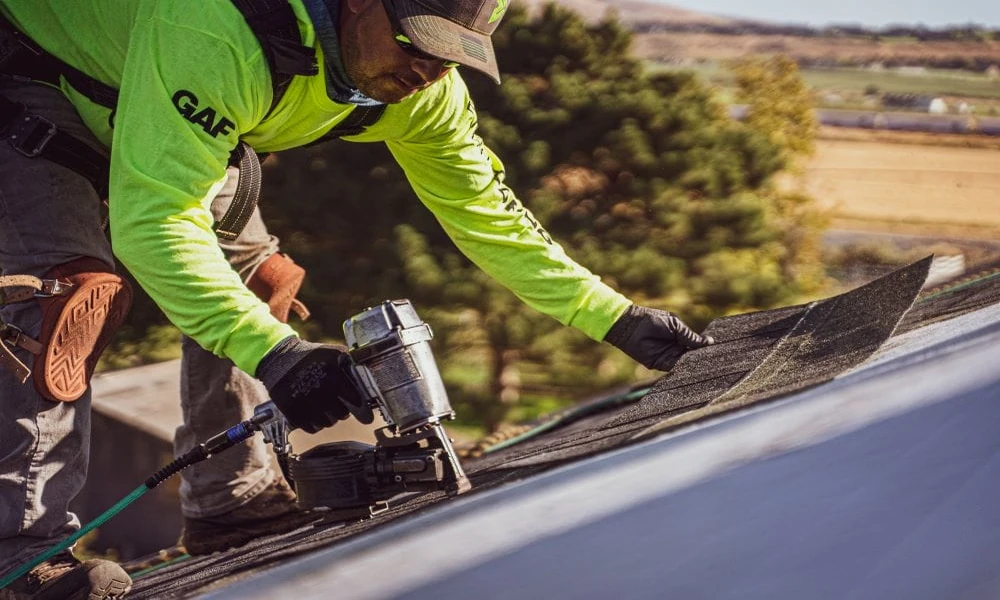
At some point, every asphalt shingle roof reaches a crossroads. Homeowners must decide whether to repair the damage present or invest in a complete roof replacement. Making the right call requires weighing several practical factors rather than relying on guesswork.
Age of the Roof
The age of your current roofing system is one of the most telling indicators. Asphalt shingles typically last between twenty and thirty years depending on the quality of materials and installation. If your roof is approaching or has passed this range, repeated repairs may only offer a short term fix before more issues surface.
Extent of Current Damage
A single problem area, such as one section damaged by a fallen branch, is usually a strong candidate for repair. However, if damage is spread across multiple sections of the roof, or if the same problem keeps recurring in different spots, it may signal that the entire roofing system is deteriorating and a repair will only address symptoms rather than the underlying cause.
Frequency of Past Repairs
If you find yourself calling for roof repairs multiple times within a short span, this pattern often indicates diminishing returns. Constantly patching an aging roof can end up costing more over several years than a single investment in full replacement, especially when factoring in the cumulative cost of materials and labor for repeated visits.
Condition of the Decking
Sometimes the shingles themselves are not the main problem. Rot or damage to the wood decking underneath is a more serious issue that can affect the structural integrity of the roof. If a contractor discovers widespread decking damage during a repair job, replacement of the entire roofing system may become necessary regardless of the shingles’ apparent condition.
Energy Efficiency Considerations
Older roofing systems, even when structurally sound, may lack the ventilation and insulation improvements found in newer roofing technology. A full replacement offers an opportunity to upgrade underlayment, ventilation, and even shingle materials that improve energy efficiency, potentially reducing heating and cooling costs over time.
Cost Comparison Over Time
While repair costs are lower upfront, it helps to think about long term value. A roof that requires frequent, ongoing repairs may end up costing homeowners more over a five to ten year span compared to a single replacement that comes with a fresh warranty and predictable performance for decades.
Impact on Home Value
A newer roof can be a meaningful selling point if you plan to list your home in the coming years. Buyers and appraisers often view roof condition as a major factor in home value, and a patchwork of visible repairs can raise concerns during a home inspection, even if the roof is technically functional.
Insurance and Storm Damage
In cases of significant storm damage, insurance adjusters may determine that full replacement is more cost effective than extensive repair, particularly if shingle matching becomes difficult due to discontinued colors or styles. This is common after hail or wind events that affect large sections of a roof at once.
Getting a Professional Assessment
The clearest way to determine the right path forward is a thorough inspection from an experienced roofing team. Specialists in asphalt roof repair can evaluate the condition of shingles, decking, flashing, and ventilation to provide an honest recommendation based on your roof’s specific condition rather than a one size fits all answer.
Choosing between repair and replacement ultimately comes down to balancing immediate costs against long term value, safety, and peace of mind for your household.
Considering Future Plans for the Home
If you intend to stay in your home for many years, investing in a full replacement can offer long term value through improved durability and updated materials. On the other hand, if you plan to sell in the near future, a well executed repair paired with clear documentation may be sufficient to satisfy buyers without the larger upfront expense of replacement.
Environmental Factors
Full roof replacement also presents an opportunity to consider more durable or reflective shingle options designed to handle local climate challenges better than older materials. Homeowners in regions prone to severe storms or extreme heat sometimes find that upgrading during a replacement pays off through reduced future repair frequency and improved energy performance.
Making a Confident Decision
Whichever direction you choose, having a clear understanding of your roof’s condition removes much of the uncertainty from the decision. Rather than guessing based on visible symptoms alone, a detailed inspection report gives you the facts needed to choose confidently between a targeted repair and a complete roof replacement.
