

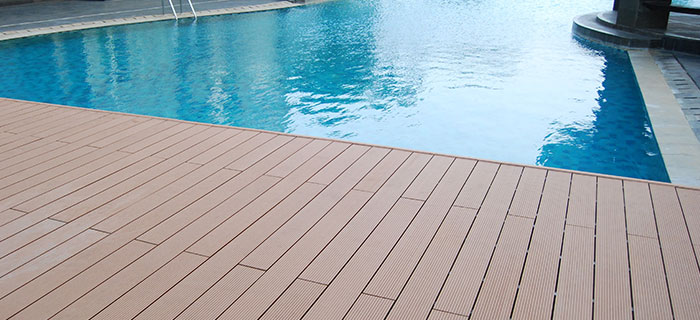
Wood Plastic Composite (WPC) flooring has become one of the most popular flooring solutions for modern homes, thanks to its durability, water resistance, and elegant appearance. Unlike traditional wood flooring, WPC combines natural wood fibers with high-quality plastic polymers, creating a product that is both long-lasting and low-maintenance. Many homeowners are now opting for a DIY installation approach, not just to save money but also to enjoy the satisfaction of transforming their space themselves. If you’re considering installing WPC flooring in your home, here are some practical tips to make the process smooth, efficient, and stress-free.
Understand the Benefits of WPC Flooring
Before diving into installation, it’s important to understand why WPC flooring is a smart choice for DIY projects. WPC planks are lightweight, easy to handle, and often come with a click-lock system, which allows them to be installed without nails or glue. Their waterproof core makes them ideal for kitchens, bathrooms, and basements, while their rigid structure ensures minimal expansion or contraction due to humidity changes. By choosing WPC, you are investing in a flooring solution that combines beauty, resilience, and convenience—all factors that make DIY installation far more manageable than with traditional hardwood.
Prepare Your Space
Preparation is key to a successful DIY flooring project. Start by clearing the room of furniture, appliances, and rugs. Next, remove any existing flooring that may interfere with the WPC planks, such as old carpet, vinyl, or laminate. Once the floor is bare, inspect it for uneven areas, cracks, or moisture issues. WPC can handle minor imperfections, but it’s always best to address significant problems beforehand. Leveling compounds or underlayments can be used to smooth the surface and ensure a consistent, stable base for your flooring.
Gather the Right Tools and Materials
Even though WPC flooring is designed for easy installation, having the right tools will save time and reduce frustration. Essential items include:
WPC flooring planks
Measuring tape and pencil
Utility knife or saw (for cutting planks)
Spacers for expansion gaps
Rubber mallet or tapping block
Level to check alignment
Safety gear such as gloves and goggles
Having everything organized before starting the project ensures that you don’t waste time searching for tools mid-installation and helps maintain momentum.
Plan Your Layout
A thoughtful layout not only enhances the visual appeal but also minimizes waste. Begin by measuring the length and width of the room to determine how many planks you’ll need. WPC planks are designed to interlock, so it’s best to start along the longest wall and work your way across the room. Stagger the seams in adjacent rows to create a natural wood effect and avoid a grid-like appearance. Planning ahead will reduce the need for last-minute adjustments and make the installation process faster.
Leave Expansion Gaps
WPC flooring, like all composite and wood-based materials, expands and contracts slightly with temperature changes. To prevent buckling, it’s important to leave a small expansion gap—usually around 6-10mm—along walls and fixed objects such as cabinets or door frames. Spacers make this easy, keeping a uniform gap while you lay the planks. Once the installation is complete, cover the gaps with baseboards or molding for a seamless finish.
Click, Lock, and Install
The hallmark of WPC flooring is its click-lock system, which allows planks to fit together without adhesives. Align the first plank with the spacers, then gently tap the next plank into place using a rubber mallet and tapping block. Continue this process row by row, checking regularly to ensure planks are straight and level. If a plank needs trimming, measure carefully and cut with a utility knife or saw. The process is repetitive but straightforward, making it ideal for DIY enthusiasts who enjoy hands-on projects.
Finishing Touches
After all planks are installed, remove spacers and add finishing touches. Install baseboards or quarter-round molding to cover expansion gaps, giving your flooring a polished, professional look. Clean the surface with a soft broom or vacuum, followed by a damp mop if necessary. Avoid using harsh chemicals that may damage the WPC surface. With proper care, your flooring will maintain its appearance and durability for years to come.
Maintenance Tips for Longevity
One of the biggest advantages of WPC flooring is its low maintenance. Regular sweeping and occasional damp mopping are enough to keep it looking new. Avoid dragging heavy furniture across the surface to prevent scratches. WPC is resistant to moisture, stains, and fading, but using felt pads under furniture and promptly cleaning spills will further extend its lifespan. With simple upkeep, your DIY-installed WPC flooring can look professionally done for decades.
Conclusion
DIY installation of WPC flooring Abu Dhabi is not only feasible but also rewarding. By understanding the benefits, preparing your space, planning your layout, and following proper installation techniques, you can save both time and money while achieving a stunning result. WPC flooring offers the perfect combination of durability, style, and ease of installation, making it an ideal choice for homeowners looking to upgrade their interiors with a modern, practical solution.
