

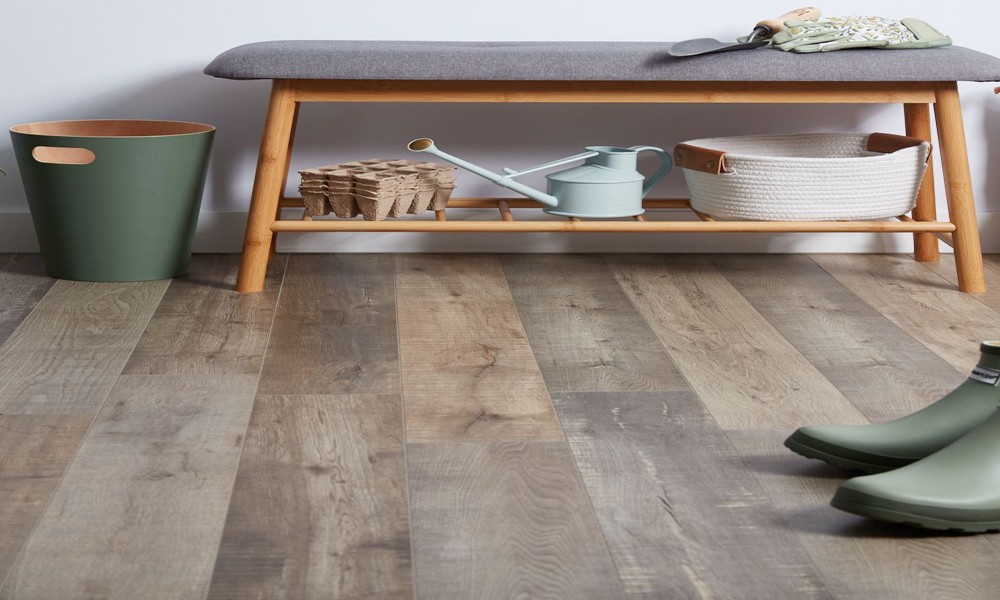
Choosing the right flooring for your home is one of the most important decisions in interior design. Flooring not only influences the overall appearance of a space but also affects comfort, durability, and maintenance. Each room in a home serves a different purpose, which means the flooring needs for every space can vary significantly. From high-traffic areas like the living room to moisture-prone spaces like the bathroom, selecting the right flooring material can improve both functionality and style.
This guide will help you understand how to choose the perfect flooring for every room in your home so that your space looks beautiful and performs well for years.
Living Room Flooring: Style Meets Durability
The living room is often the heart of the home where families gather, entertain guests, and relax. Because it is usually a high-traffic area, the flooring should be both stylish and durable.
Hardwood flooring is a popular choice for living rooms because it offers timeless elegance and long-lasting durability. It also increases the overall value of a home. Engineered wood is another great alternative that provides a similar appearance but often comes at a lower cost and offers better resistance to humidity.
For homeowners who prefer a softer feel underfoot, carpets or large area rugs can add warmth and comfort. Luxury vinyl flooring is also becoming increasingly popular because it mimics the look of wood or stone while being more resistant to scratches and wear.
Kitchen Flooring: Practical and Easy to Maintain
Kitchens experience frequent spills, heavy foot traffic, and constant activity. Because of this, the flooring should be water-resistant, durable, and easy to clean.
Porcelain or ceramic tiles are among the best choices for kitchen flooring. They are highly durable, water-resistant, and available in a wide variety of styles and colors. Tiles can also replicate the look of natural stone or wood while being easier to maintain.
Luxury vinyl flooring is another excellent option for kitchens because it is waterproof, comfortable to walk on, and resistant to stains and scratches. Many homeowners prefer vinyl planks that replicate the appearance of hardwood while providing greater moisture resistance.
Bedroom Flooring: Comfort and Warmth
Bedrooms are personal spaces designed for rest and relaxation, so comfort is usually the top priority when choosing flooring.
Carpet remains one of the most popular bedroom flooring options because it provides softness, warmth, and sound insulation. It creates a cozy atmosphere that is ideal for sleeping areas.
Hardwood flooring is also widely used in bedrooms because of its elegant look and durability. To add comfort, many homeowners place soft rugs or carpets near the bed. Engineered wood and laminate flooring can also work well if you want the appearance of hardwood at a more affordable price.
Bathroom Flooring: Moisture Resistance Is Key
Bathrooms are exposed to constant moisture, making water resistance the most important factor when choosing flooring.
Ceramic and porcelain tiles are the most common choices for bathrooms because they are waterproof, easy to clean, and highly durable. They also come in various textures and finishes that help prevent slipping.
Natural stone tiles can add a luxurious appearance to a bathroom, but they require proper sealing and maintenance. Waterproof vinyl flooring is another modern option that provides excellent moisture resistance while being softer and warmer underfoot than traditional tiles.
Dining Room Flooring: Elegant Yet Practical
The dining room is a place where families gather for meals and special occasions, so the flooring should reflect both elegance and practicality.
Hardwood flooring is a classic choice for dining rooms because it creates a sophisticated and timeless look. It also pairs well with most furniture styles and interior designs.
If you want a budget-friendly alternative, laminate flooring can provide a similar appearance at a lower cost. Adding an area rug beneath the dining table can help define the space while protecting the floor from scratches and spills.
Hallways and Entryways: Built for Heavy Traffic
Hallways and entryways experience some of the highest foot traffic in a home. As a result, the flooring Dubai in these areas must be extremely durable and easy to maintain.
Tile flooring is an excellent choice because it resists dirt, moisture, and scratches. It also helps keep the space cool and clean. Porcelain tiles, in particular, are known for their strength and long lifespan.
Luxury vinyl planks and laminate flooring are also suitable options for hallways because they are scratch-resistant and can handle heavy use. Choosing darker colors or textured finishes can help hide dirt and wear over time.
Key Factors to Consider When Choosing Flooring
While selecting flooring for different rooms, it is important to consider several factors beyond appearance.
Durability should always be a priority, especially in areas with heavy foot traffic. Moisture resistance is essential for kitchens, bathrooms, and laundry rooms. Comfort is also important in spaces like bedrooms where people spend more time relaxing.
Maintenance requirements are another factor to keep in mind. Some flooring materials require regular sealing or polishing, while others are easy to clean with minimal effort.
Finally, consider how the flooring complements the overall design of your home. A consistent style across rooms can create a harmonious and visually appealing interior.
Final Thoughts
Choosing the perfect flooring for every room in your home requires careful planning and consideration. Each space has unique requirements, and selecting the right material can enhance both functionality and aesthetics.
From durable tiles in the kitchen and bathroom to cozy carpets in the bedroom and elegant hardwood in the living room, the right flooring choice can transform your home. By balancing style, durability, comfort, and maintenance, you can create beautiful spaces that meet your lifestyle needs and stand the test of time.
