

The Essential Components of a Roof: Building a Strong Foundation
Understanding the Anatomy of a Roof
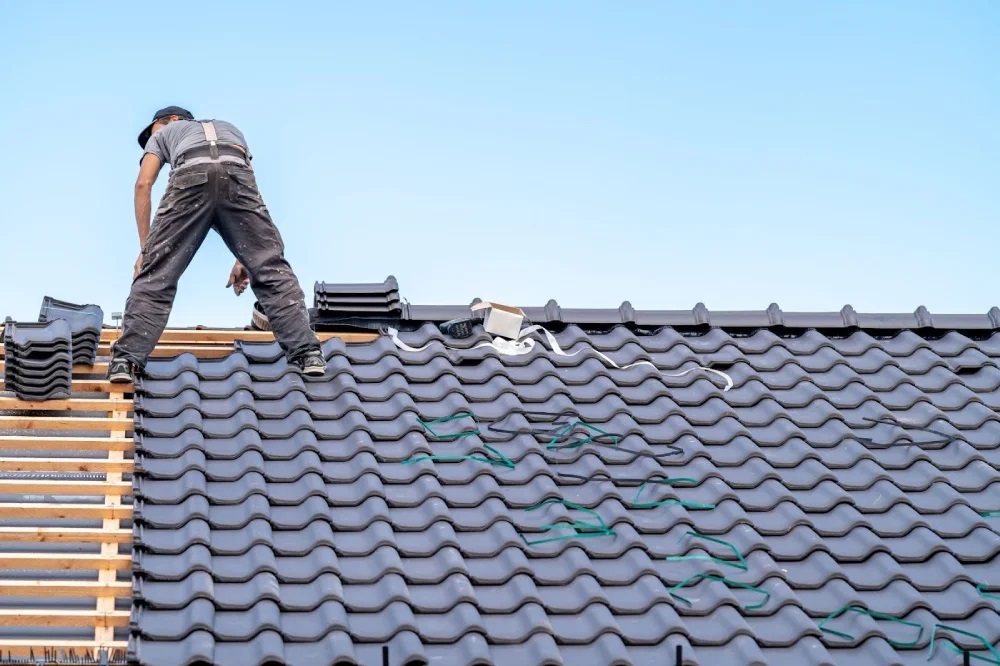
To appreciate the importance of roofing in home construction, it is essential to understand the intricate anatomy of a roof. A roof is not merely an external cover; it is a complex assembly of components that work harmoniously to ensure the overall safety, functionality, and aesthetic appeal of your home. The primary elements include the deck, which is the structural foundation of the roof, typically made of plywood or oriented strand board (OSB); the underlayment, a protective barrier that helps prevent moisture from penetrating the roof; and the roofing material itself, which could be shingles, tiles, metal, or other materials chosen for their durability and style.
Additionally, integral components such as flashing, which prevents water from entering joints and seams, and gutters, which direct rainwater away from the roof and foundation, play crucial roles. Each component must function seamlessly to ensure that your roof can withstand various environmental pressures, from snow loads to heat waves. Modern roofing systems often incorporate additional features such as ice shields and ventilation systems, enhancing their performance by reducing the risk of ice dams in cold climates, and ensuring adequate airflow to prevent moisture buildup in hot climates.
Materials Matter: Choosing the Right Roofing for Your Home
The selection of roofing materials is one of the most critical choices a homeowner will make. Each material has its unique benefits and drawbacks that cater to specific lifestyles and environmental conditions. For instance, asphalt shingles are among the most popular materials due to their affordability and ease of installation. However, they may not provide the longevity that other materials, such as slate or metal, offer. Slate, recognized for its incredible durability and aesthetic appeal, can last over a century but comes with a significantly higher price tag and more complex installation requirements.
Metal roofing, a popular choice for its longevity and energy efficiency, is gaining traction across various types of homes due to its low maintenance and fire-resistant properties. Moreover, options such as clay or concrete tiles are not only pleasing to the eye but also energy-efficient, as they reflect sunlight and provide natural insulation. When picking roofing materials, homeowners should also consider local climate conditions, roof pitch, and even neighborhood aesthetics to ensure harmony with the surroundings and compliance with local housing codes.
Insulation and Ventilation: A Balance for Longevity
Insulation and ventilation are vital components in prolonging the lifespan of your roofing system. Proper insulation keeps heat within the home during winter months, reducing energy bills, while also preventing ice buildup on the roof. Meanwhile, effective ventilation systems, such as ridge vents or soffit vents, allow for continuous air circulation, which helps in regulating indoor temperatures and moisture levels, minimizing the risks of mold growth and structural damage from trapped heat and moisture.
Furthermore, the combination of insulation and ventilation can significantly improve the energy efficiency of your home. By maintaining a stable temperature throughout your home’s attic space, you can prevent excess heating during the summer months and maintain a temperate environment in winter. Experts recommend consulting with a roofing professional to properly evaluate your home’s current insulation and ventilation setup and make necessary adjustments that align with seasonal changes, local climate conditions, and energy efficiency goals.
Top Roofing Trends: Stylish Solutions for Modern Homes
Embracing Eco-Friendly Options: Sustainable Roofing Choices
In a world where sustainability is increasingly at the forefront of consumer awareness, eco-friendly roofing options have gained significant traction as part of complete roofing solutions. Green roofs, which incorporate vegetation on rooftops, stand out as an innovative approach, delivering benefits such as improved air quality and natural insulation while helping to reduce the urban heat island effect. By adding an extra layer of insulation, they can lower heating and cooling costs and effectively manage stormwater runoff.
In addition, recycled roofing materials such as rubber shingles or metal roofing produced from up to 90% recycled content are becoming a preferred choice for environmentally conscious homeowners. These options not only reduce environmental impact but also often come with strong warranties that highlight their durability and long-term value. The integration of solar panels is another growing trend, enabling homeowners to generate renewable energy, cut electricity expenses, and further enhance the sustainability of their complete roofing solutions.
Color Your World: Trends in Roofing Designs and Shades
While functionality is paramount, the aesthetic appeal of roofing cannot be overlooked. Trends in roofing designs and colors are evolving, leaning towards bolder colors and unique patterns that allow homeowners to showcase their personalities without compromising on durability. The days of solely opting for neutral shades are long gone; many homeowners are now opting for striking dark hues such as charcoal or deep blue, which not only provide a stunning contrast against lighter exteriors but also add a contemporary vibe to classic architectural styles.
Additionally, textured roofing products, including synthetic shakes and premium asphalt shingles that mimic traditional materials, are becoming increasingly prevalent. These options provide the desired aesthetic while enhancing performance. Homeowners are encouraged to consider local architectural styles and personal preferences when choosing roofing colors and designs to enhance visual harmony and appeal.
Innovative Technology: Smart Roofing Features for the 21st Century
The integration of smart technology into roofing systems is revolutionizing the way we maintain and interact with our homes. Innovative features such as solar shingles, which blend solar technology seamlessly with traditional roofing materials, are not only space-efficient but also enhance energy generation while maintaining aesthetic value. Smart ventilation systems, which adjust based on real-time weather data, optimize performance and further prolong the lifespan of roofs by preventing moisture and heat buildup.
Moreover, advances in roofing materials and installation techniques, such as self-healing polymer coatings that can repair minor damage, represent the future of roofing technology. These innovations aim to ease maintenance burdens and offer peace of mind for homeowners, making it crucial to explore the latest technological advancements when planning a roof replacement or enhancement.
Maintenance Magic: Extending the Life of Your Roof
Seasonal Checklists: What to Inspect and When
Regular maintenance is essential for ensuring your roof can withstand the tests of time, and implementing seasonal checklists makes this process straightforward. At the onset of spring, it’s crucial to inspect winter wear, including checking for loose or damaged shingles and investigating areas where ice or snow may have accumulated. Homeowners should also clear gutters of debris to facilitate proper drainage and inspect flashing for signs of rust or corrosion.
During the summer, taking the time to inspect the attic for proper insulation and ventilation is vital to ensure breakdown from heat exposure is minimized. Addressing these areas proactively not only enhances comfort but helps in maintaining consistent humidity levels. As autumn approaches, it’s essential to clear away fallen leaves from gutters and valleys to prevent water pooling and mold growth. Finally, as winter nears, thorough roof inspections for potential ice dam formations and checking for overhanging tree branches should be a priority to prevent unique winter-related damage.
DIY Repairs: Tackling Minor Issues Before They Escalate
Homeowners often underestimate the value of addressing minor roofing issues early. Simple repairs such as replacing damaged shingles or fixing minor leaks can save hundreds, if not thousands, in potential damage costs. Familiarizing oneself with basic roofing repair techniques can be empowering for homeowners. For instance, learning how to secure loose shingles, re-seal flashings, or seal small punctures with roofing cement can significantly impact long-term home maintenance.
Aside from aesthetic concerns, addressing these issues quickly extends the life of the roof and ensures homes remain energy efficient. However, safety should always be a top priority; those uncomfortable with heights or uncertain about their abilities should consult professionals. Online tutorials, local workshops, and homeowner associations often provide guidance and resources for safe DIY repair techniques.
When to Call a Pro: Recognizing Serious Roofing Problems
There are instances when professional intervention is not just prudent but necessary. Homeowners should be vigilant about recognizing signs of serious roofing issues, such as persistent leaks, extensive sagging, or significant storm damage. When asphalt shingles begin to curl, discolor, or show granule loss, these are indicators of aging roofs and may require replacement. Additionally, attic inspections revealing water stains or excessive moisture suggest substantial underlying issues that demand a professional evaluation.
It is also wise to consult a roofing expert after severe storms or natural disasters to assess any potential damage hidden from the untrained eye. Professional roofers not only have the experience to conduct thorough evaluations but also the skills and tools needed for safe repairs and installations. Engaging with professionals helps ensure that your home not only retains its value but also continues to provide the essential shelter and security it was designed for.
Transforming Your Space: The Impact of a New Roof on Home Value
Curb Appeal Revolution: How Roofing Affects Perception
The impact of roofing on curb appeal is profound. A well-maintained, visually appealing roof can dramatically enhance the look of your home. It serves as a focal point that attracts attention, not only from passersby but also potential buyers. Homeowners looking to sell or upgrade their properties should consider how their roof choice affects not just the style of the house but also the surrounding landscape and architectural harmony. Modern roofing options like stylish metal roofs or elegant slate can offer an immediate upgrade to any home façade, boosting the perceived value instantly.
Moreover, a well-designed roofing system complements exterior features such as siding, windows, and landscaping elements, creating a cohesive overall look. This visual harmony increases desirability in the real estate market and demonstrates pride in homeownership, further enhancing property value.
Return on Investment: Understanding the Financial Benefits
Investing in a new roof is a significant financial decision, yet it offers impressive returns. According to various real estate studies, homeowners can recoup approximately 70% to 80% of their roofing investment upon sale. These figures can vary depending on regional markets, materials chosen, and how well the roof integrates with the home’s overall design. Moreover, a new roof improves energy efficiency, reducing utility costs and providing further ongoing financial benefits.
Additionally, modern roofing technologies such as solar roofs may create additional income sources through energy credits, significantly enhancing their ROI. Ultimately, investing in a roof should be considered not only from an aesthetic but also from a financial perspective, as it often translates to long-term savings and added home value.
Adding Personal Touches: Customization that Speaks to You
Incorporating personal touches in roofing allows homeowners to express their style while maximizing the roof’s functionality. Customization options such as unique color choices, patterns, or materials can create a distinctive look that resonates with personal taste. Homeowners can opt for decorative ridge caps, ventilation pipes, or even integrate skylights for natural light, adding flair while enhancing the living environment.
Beyond aesthetic choices, customizing roofing systems with advanced technology such as solar roofing or integrated garden elements provides an eco-friendly approach to personal expression while enhancing functionality. The involvement of professionals in discussing these options during the planning stage is invaluable, as they can suggest innovative ideas that align with both personal preferences and practical considerations, creating a unique solution that stands out while adding value to your home.
