

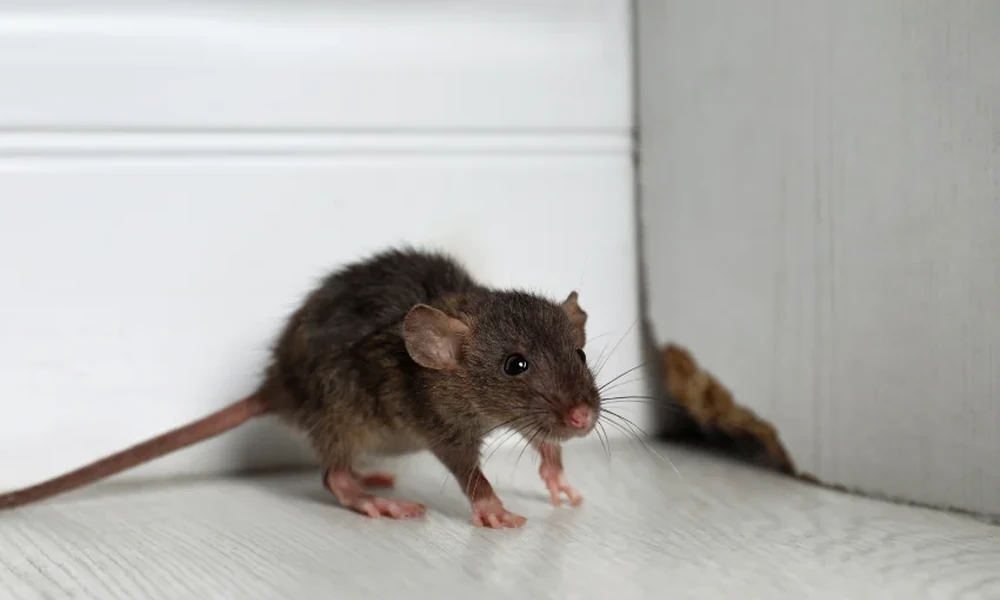
Mice and rats often explore the edges of a building, where gaps around pipes, vents, door seals, and the foundation can give them access. Once a rodent finds an opening that leads to food or shelter, it may use that same route again.
That is why rodent activity so often returns to one place after it seems to stop. Homeowners who look into mouse and rat control services are usually dealing with a weak point the rodents already know, not a new arrival each time. Understanding how they find and reuse a route explains why the problem keeps coming back to the same corner of the house.
How a Rodent Chooses One Way In
Rodents move along walls and edges, where they feel protected, and they rely on air movement, warmth, and smell to find a break in the structure. A gap near food, shelter, or a warm part of the building can become an attractive route indoors. They will gnaw a small opening wider if the material gives way, which is how a dime-sized gap around a cable becomes a regular door. Once a rodent has used an opening a few times, it favors that route over searching for a new one.
Why Activity Keeps Returning to One Area
A recurring problem can have more to do with access than with a growing number of rodents. A sheltered opening near food, water, or nesting material gives rodents a reason to keep using the same part of a property. When droppings, gnaw marks, or other signs keep appearing near one wall, garage corner, or cabinet, check the area around it for an opening that has gone unnoticed.
One Entry Point Can Lead Elsewhere
Once inside, mice and rats can move through wall voids, along pipes, and above ceilings to reach kitchens, pantries, attics, or storage areas. That can make the original entry point easy to overlook. Droppings in a kitchen, for instance, could come from a rodent that entered through the garage and traveled through a wall or utility space.
Look at where the signs appear in relation to one another. A trail along a wall, scratching above a ceiling, or droppings near plumbing can help narrow down how the rodent is moving through the house.
Tracing the Signs Back to the Entry
Several signs in one area can help reveal where a rodent is coming and going. Droppings, worn areas along baseboards, grease marks, and gnawing can help narrow the search. When those signs point toward the same part of the exterior, that area deserves a closer inspection.
Palisade Pest Control can use recurring signs to help identify possible access points and determine where the rodent activity is coming from.
A few signs stand out, and each one points back toward a route.
- Droppings that appear along the same wall or in the same corner more than once
- A dark, greasy smear low on a wall or door frame where rodents brush past
- Gnaw marks around a pipe, vent, or door that widen over time
- Scratching heard in the same section of wall or ceiling after dark
Why Closing One Gap Is Not Always the End
Most homes have more than one weak spot. Sealing the opening a rodent has been using removes that route, but other gaps may still give it another way inside. This is why a lasting fix looks at the whole exterior instead of one hole. When several possible entry points are checked and sealed, rodents have fewer ways to regain access to the house.
A weak spot becomes a bigger problem when it stays open long enough for repeated activity to go unnoticed. Finding the signs early, checking the likely entry points, and closing those openings can keep a small access problem from becoming a regular one.
