

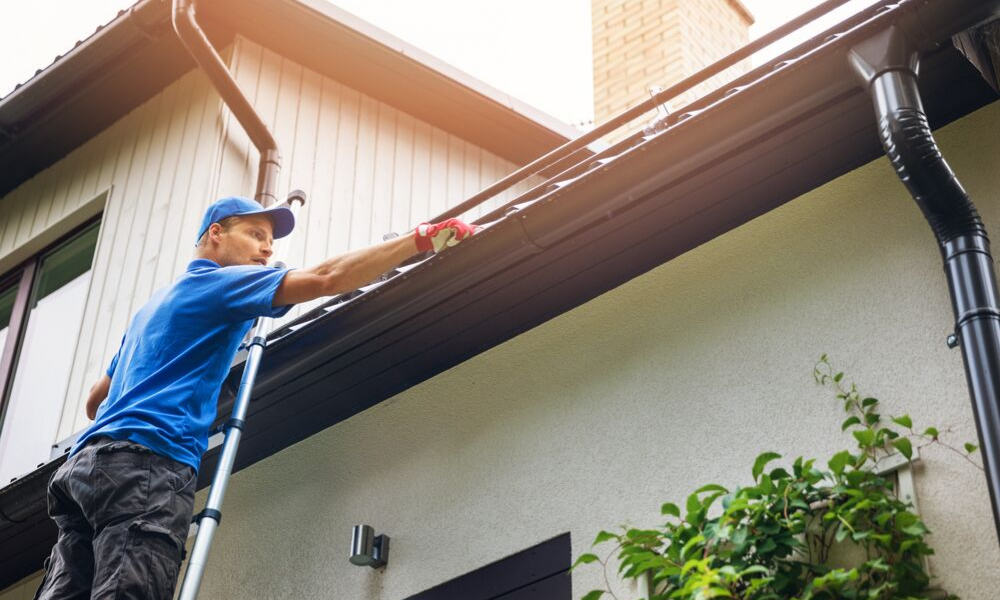
Homeowners in Minnesota face unique challenges from the state’s variable weather patterns, including heavy rainfall and significant snowfall. Seamless rain gutters in Minnesota provide an effective solution for managing water runoff from roofs, helping to prevent issues like foundation erosion and basement flooding. These systems, formed on-site from a single piece of material, eliminate the joints that often lead to leaks in traditional sectional gutters. As a result, they offer reliable performance throughout the year. In areas like the greater Twin Cities, where precipitation can be intense, investing in such gutters ensures long-term protection for properties.
Benefits of Seamless Rain Gutters in Minnesota
Seamless rain gutters stand out for their durability and efficiency in directing water away from buildings. Unlike sectional versions that connect multiple pieces, seamless designs reduce the risk of separation over time, which is particularly valuable in regions with freeze-thaw cycles. During Minnesota winters, ice buildup can strain gutter systems, but seamless options handle this stress better due to their continuous structure. This leads to fewer repairs and consistent water flow, safeguarding landscapes and structures from damage.
Materials like aluminum or steel are commonly used, providing resistance to corrosion and weathering. The custom fit allows for precise adaptation to a home’s architecture, ensuring optimal drainage. In practice, these gutters integrate well with roofing systems, creating a cohesive exterior that enhances overall functionality.
Installation Process for Seamless Gutters
The installation of seamless rain gutters begins with an assessment of the property’s roofline and drainage needs. Technicians measure the required lengths and fabricate the gutters directly at the site using specialized equipment. This on-site creation minimizes waste and ensures a tailored fit.
Brackets and hangers secure the gutters to the fascia, with downspouts positioned to direct water safely away. Accessories such as gutter guards can be added to prevent debris accumulation, which is common in leafy suburban areas. The process typically takes a day or two for an average home, depending on the complexity.
Experienced installers pay attention to pitch and alignment to promote proper water flow. In Minnesota, considerations for snow load influence the choice of sturdy materials and reinforced supports.
Maintenance Tips for Longevity
Regular maintenance keeps seamless rain gutters performing effectively. Clearing leaves and debris in the fall prevents clogs that could lead to overflows. A simple inspection twice a year identifies any sagging or damage early.
For winter preparation, removing ice dams with safe methods avoids structural strain. Gutter protection systems, like those with patented hangers, help maintain clear channels without frequent cleaning. These additions reduce the buildup of leaves and twigs, extending the system’s lifespan.
Homeowners benefit from professional cleaning services periodically, especially after storms. Addressing minor issues promptly prevents larger problems, such as water infiltration into walls or foundations.
Integrating Gutters with Roofing Systems
Seamless rain gutters often work in tandem with roofing to provide comprehensive protection. When replacing or repairing a roof, coordinating with gutter installation creates a unified system. For instance, metal roofing pairs well with matching gutters, offering a seamless aesthetic and functional match.
In Minnesota, where heavy snow can accumulate on roofs, features like valley diverters help manage runoff in steep areas. These elements direct water toward downspouts, reducing the chance of leaks. Companies specializing in both gutters and roofing, such as Bruce Andrews Seamless Gutters and Roofing, handle these integrated projects efficiently.
This approach minimizes disruptions and ensures compatibility between components. The result is a resilient exterior that withstands seasonal changes.
Seamless rain gutters in Minnesota represent a practical choice for property owners seeking reliable water management. Their design addresses local climate demands, from summer downpours to winter ice. By focusing on quality materials and proper installation, these systems contribute to the overall integrity of homes and commercial buildings. Regular upkeep further enhances their value, making them a worthwhile consideration for long-term maintenance strategies.
